Veltron
Veltron
Veltron
High-performance deep learning servers, memory arrays, and hardware controllers powering global smart factories.
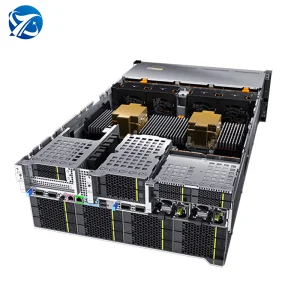
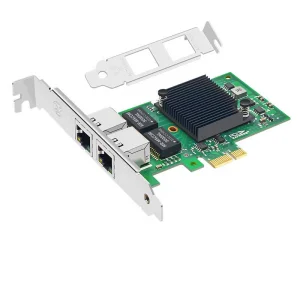
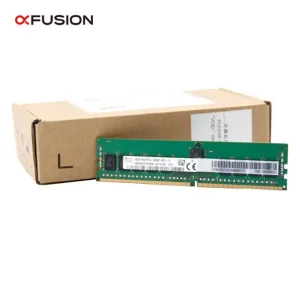

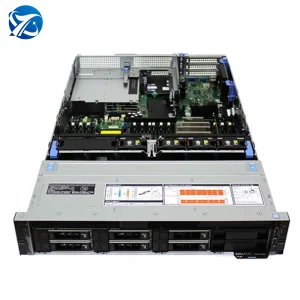
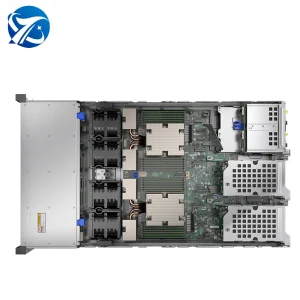
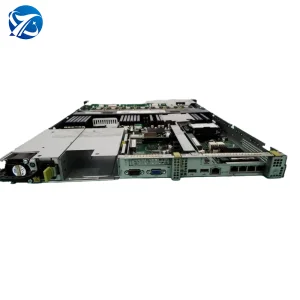
The global landscape of mobile device manufacturing has moved beyond mere hardware assembly. Original Equipment Manufacturers (OEMs) and Original Design Manufacturers (ODMs) form the bedrock of the mobile phone supply chain, facilitating the development of consumer devices, high-end smartphones, rugged handheld terminals, and specialized IoT computing units. In an era dominated by Generative AI (GenAI) integration at the edge and demanding real-time processing, OEMs are shifting workloads from simple chip-down boards to complex multi-layer configurations.
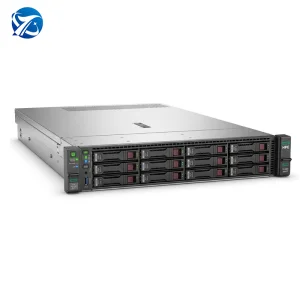
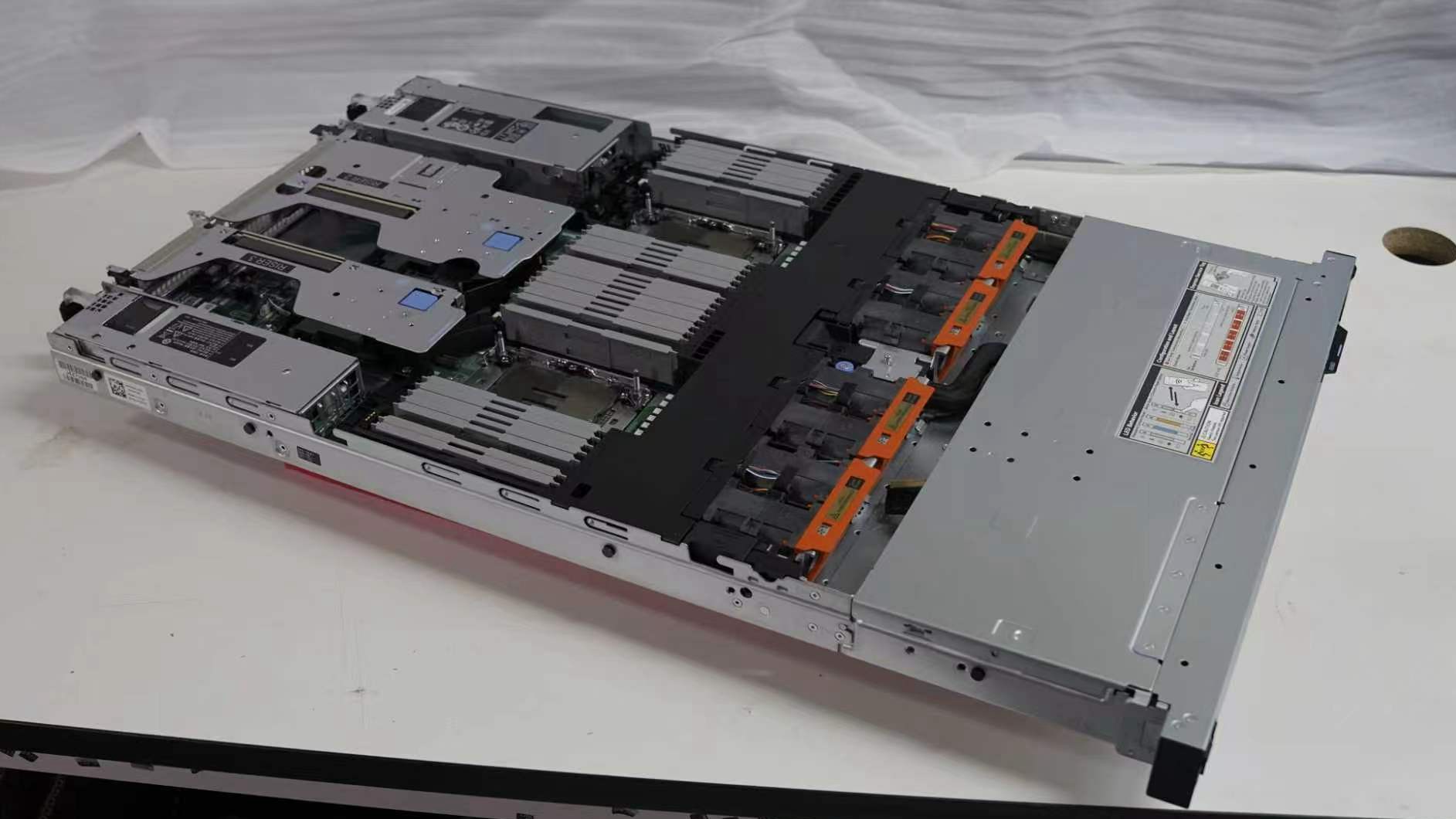
To support this evolutionary paradigm, the hardware powering ODM design clusters and test rigs requires unprecedented computing capabilities. Factories rely on localized high-performance servers to host automated design tools (EDA), simulate thermal patterns, test radio-frequency parameters, and manage high-throughput firmware flashing operations. Consequently, the boundary between consumer electronics factories and enterprise computing infrastructures has blurred, creating a unified ecosystem of ultra-reliable manufacturing processes backed by heavy compute capabilities.

Integrating state-of-the-art server solutions to optimize production lines, test environments, and cloud infrastructure for smart device OEMs worldwide.
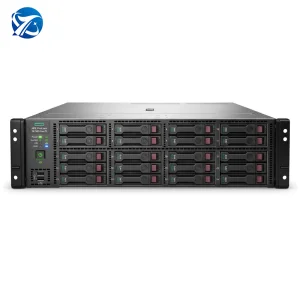
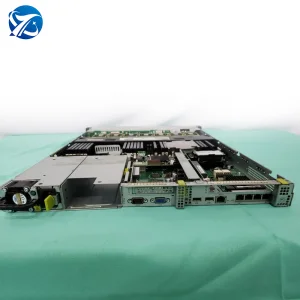
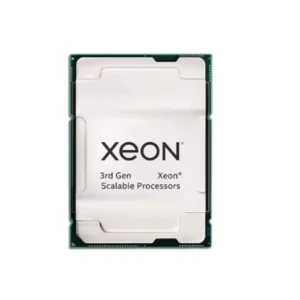
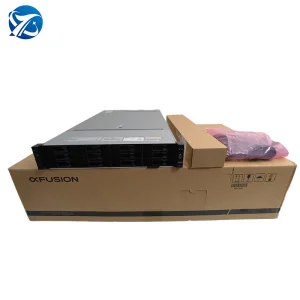
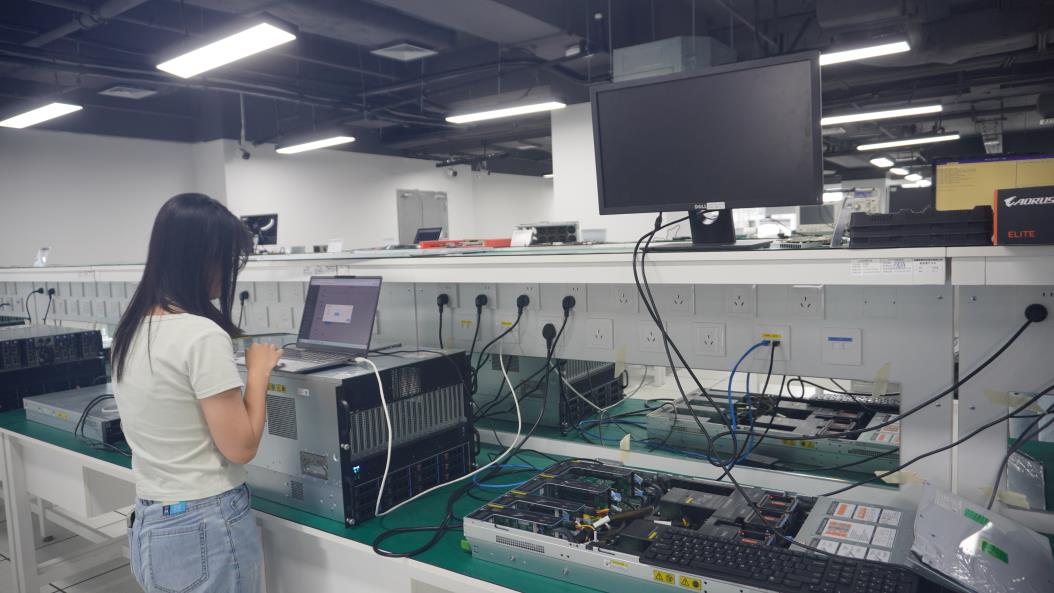
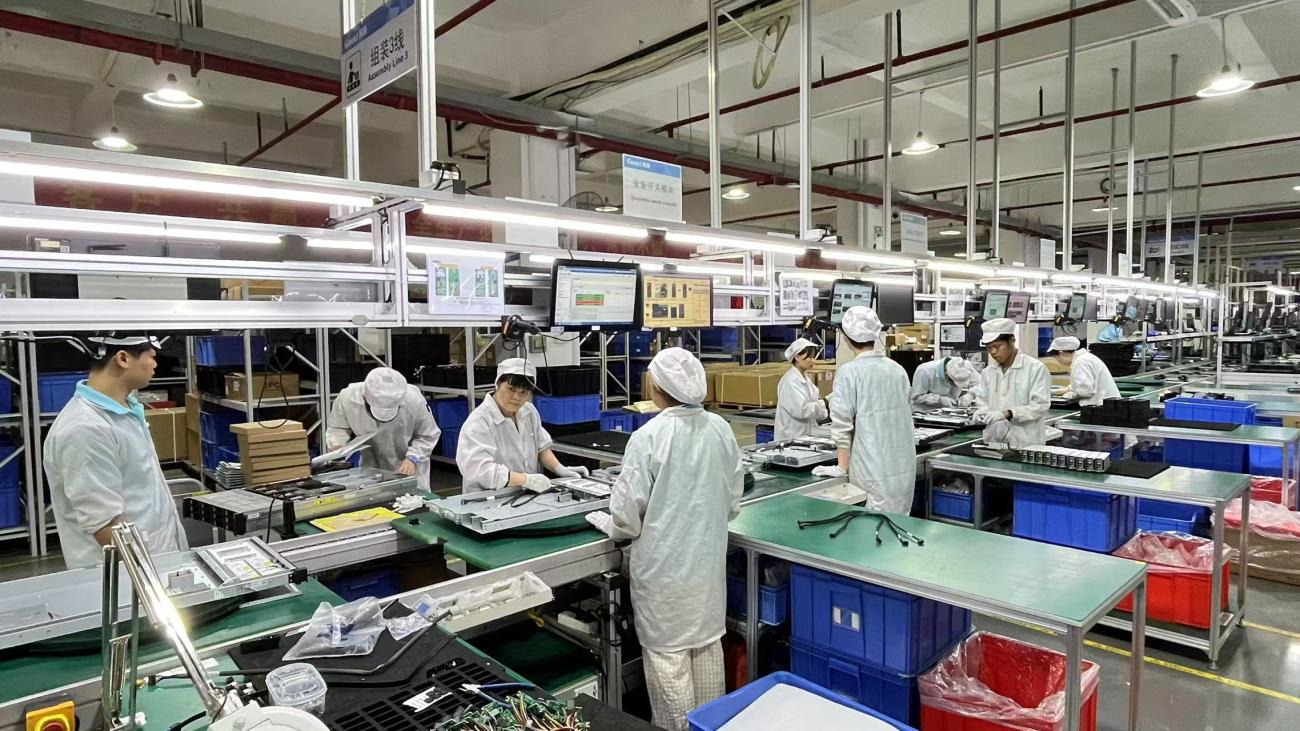
Veltron Computing Technology Co., Ltd. is a premier professional manufacturer and global supplier of GPU servers, AI computing systems, and high-performance server solutions. Established in 2016 and located in the technological epicenter of Shenzhen, China, Veltron has dedicated over 14 years of collective industry expertise to scaling computational platforms that serve as the backbone of modern industrial engineering. Our modern manufacturing facility spans over 3,800 square meters, utilizing advanced assembly pipelines, rigorous thermal testing laboratories, and automated quality assurance platforms.
Our operation is built to support system integrators, cloud service providers, and global smart device factories. With a specialized team of 168 experienced research and development engineers, we oversee comprehensive hardware integrations including custom chassis design, complex firmware optimization, and extreme thermal management setups. With 56 quality control personnel running validation protocols, Veltron guarantees that every hardware assembly meets strict compliance requirements, securing a stable environment for complex OEM/ODM manufacturing software frameworks.
Analyzing the convergence of edge computing, deep learning, and physical hardware assembly lines.
Modern mobile platforms integrate Neural Processing Units (NPUs) directly into the system-on-chip. ODMs rely on high-capacity GPU systems to simulate on-device performance and perform large-scale network fine-tuning prior to flashing production ROMs.
Modular product development allows smart device brands to quickly iterate physical specifications. Custom board integrations, heat-sink arrays, and localized wireless modems can be simulated and stress-tested in shorter design cycles.
With thousands of active components, factory automation software requires low-latency cloud synchronization and massive database operations. Efficient data servers prevent logistics bottlenecks across multiple factory facilities.
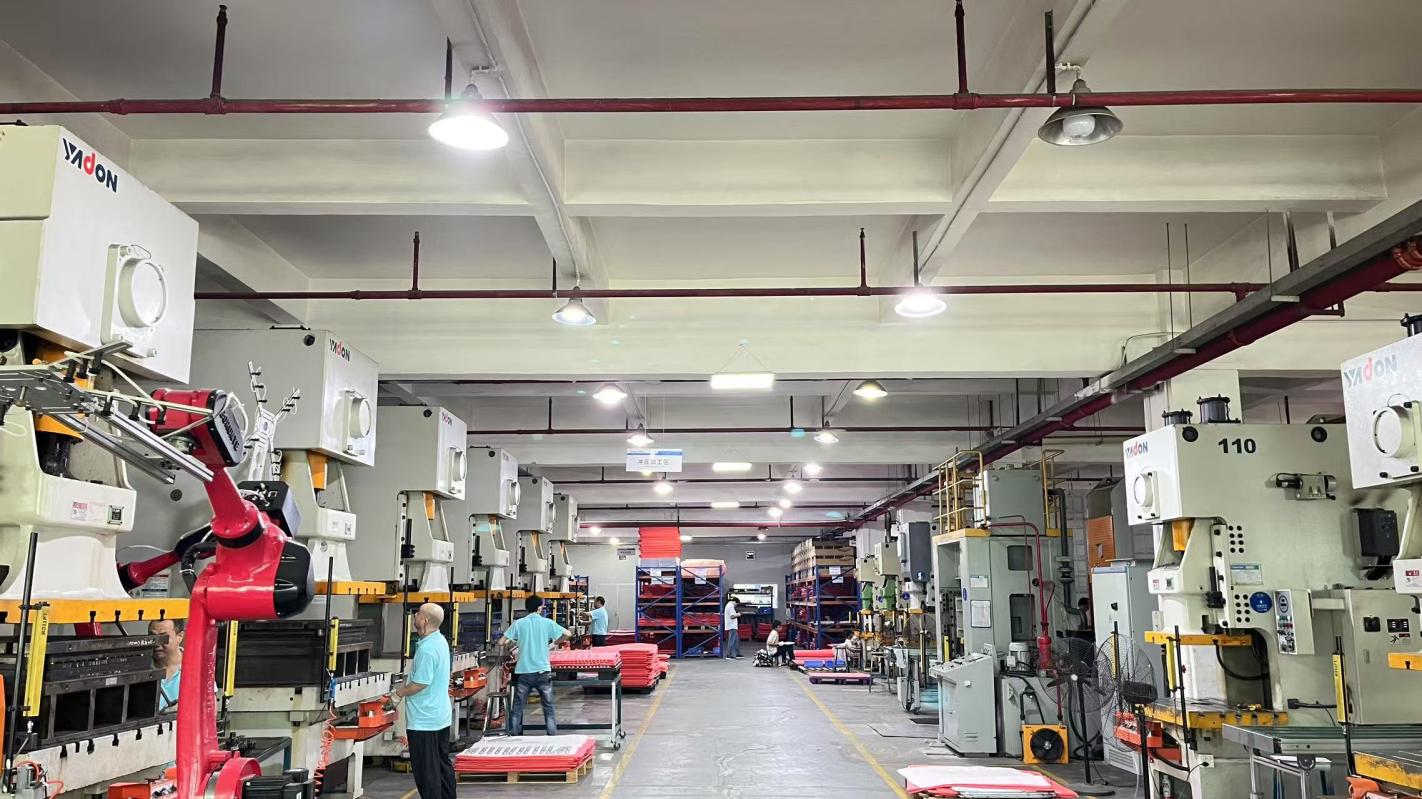
Smart device production requires strict localization strategies, adaptation to regional telecom standards (LTE, 5G NR bands), and regulatory compliance protocols (FCC, CE, WEEE, RoHS). Additionally, modern industrial networks must maintain edge infrastructure nodes that compute metrics directly within the manufacturing plant. This lowers network latencies, keeps sensitive firmware IP localized within the physical plant perimeter, and guarantees continuity even in cases of intermittent WAN connectivity.
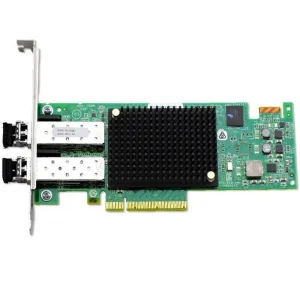
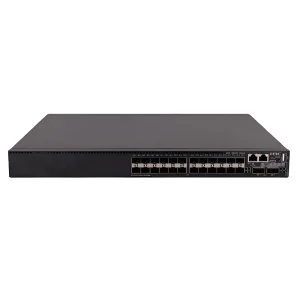
By implementing onsite high-capacity computing clusters, smart device ODMs can deploy real-time artificial vision models that examine component placement tolerances, identify surface micro-scratches, and run performance analytics directly against standard quality profiles. The integration of high-bandwidth switches and low-latency storage cards forms the framework for high-throughput automated calibration systems, translating into fewer defective units shipped and reduced overhead costs.

Answering crucial technical questions about smartphone ODM scaling, computer infrastructure needs, and production line optimization.
High-bandwidth core switches, professional HBA components, and computational nodes for high-availability enterprise environments.