Veltron
Veltron
Veltron
High-speed hardware foundations ready for advanced optical infrastructure deployment
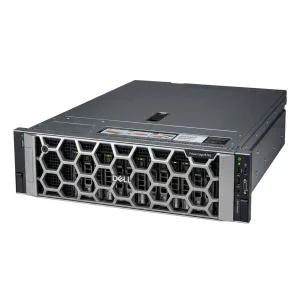

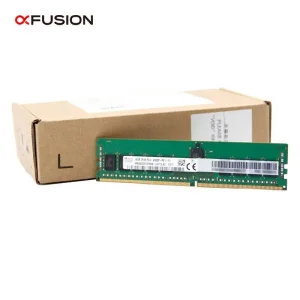
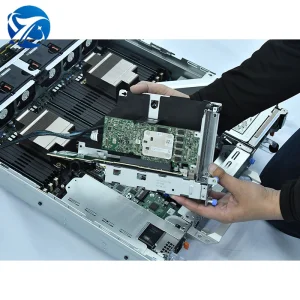
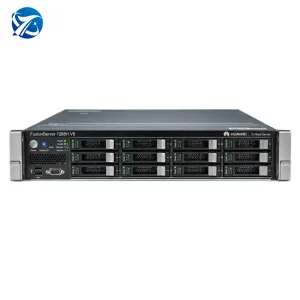
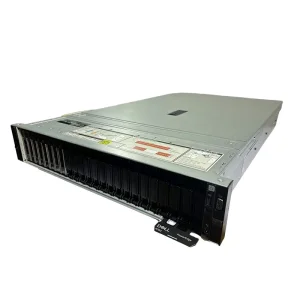
The global expansion of Artificial Intelligence (AI) training pipelines, large language models (LLMs) such as DeepSeek R1 671B, and deep learning neural networks has triggered an unprecedented surge in data processing requirements. High-performance enterprise compute architectures—featuring multi-socket processors and dense GPU configurations—can only operate at peak efficiency if the interconnected networking fabric is optimized for minimal latency and maximum bandwidth. This is where Custom OEM Optical Fiber Cable assemblies become the essential nervous system of modern data centers.
As high-speed networking transitions from 100G and 400G to 800G and 1.6T speeds, traditional copper patch cables (DACs) face severe physical limitations, particularly concerning reach, electromagnetic interference (EMI), and heat dissipation. Custom optical fiber cables, particularly optimized with MTP/MPO connectors and low-loss singlemode/multimode fiber cores (OS2, OM4, OM5), have emerged as the standard. They provide the dense, high-frequency optical links required to connect GPU clusters, SSD storage networks, and network switches without packet loss or signal degradation.
Maximizes cable tray efficiency by integrating up to 24, 48, or 96 fiber cores into a single high-performance connector housing.
Optimized core concentricity and polished end-faces keep return loss low, vital for synchronized AI node clusters.
Engineered to withstand the demanding requirements of multi-lane optical transceivers, silicon photonics, and co-packaged optics (CPO).
For international system integrators, telecom operators, and data center architects, sourcing optical cabling is no longer about buying generic patch cords off the shelf. Real-world applications demand exact customizations to match specific server chassis and rack deployments. Custom OEM optical fiber cable factories must offer precise configurations to meet the diverse structural designs of modern hardware.
Key procurement variables that demand factory customization include:
By establishing relationships directly with OEM manufacturers, global enterprises ensure that their cabling systems are built to the exact lengths required, minimizing cable slack and maintaining optimal airflow across server cabinets.
Underpinned by 14 years of computing infrastructure and optical interconnect expertise
With years of expertise in the intelligent computing industry, Veltron has built a strong reputation for delivering high-performance server solutions and interconnect accessories. Our dedicated R&D center consists of 168 experienced engineers specializing in server architecture, high-frequency signal integration, thermal management, and custom hardware interfaces. With strong OEM and ODM capabilities, we offer flexible customization options including chassis design, custom cabling harnesses, custom optical breakout designs, and application-specific solutions.
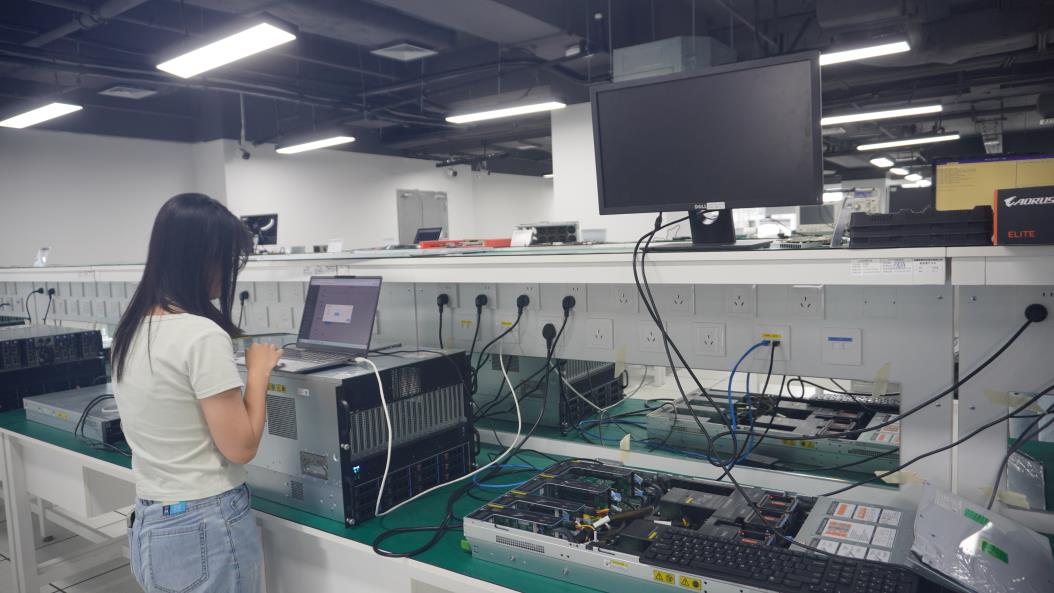
Quality is at the core of everything we do. We implement a comprehensive quality management system with 56 professional quality control personnel overseeing every stage of production. All optical fiber assemblies and compute systems undergo strict reliability testing, performance validation, insertion loss testing, thermal testing, burn-in testing, and final inspection before shipment. This ensures exceptional product stability and long-term performance under continuous operations.
Our tailored cabling and compute solutions address various mission-critical applications across multiple sectors. As organizations undergo digital transformation, the requirements for their physical layer infrastructure must align with their overall software and database environments.
Modern AI training architectures, powered by clusters of GPU servers (such as those optimized for LLMs and deep learning), require robust interconnect systems. Custom MTP/MPO cabling systems enable multi-lane parallel optics pathways, offering the necessary bandwidth to prevent data delivery bottlenecks to high-speed GPUs. These cables support the low-latency networking protocols, like InfiniBand, that are essential for large-scale distributed computing.
Enterprise data centers housing intensive SQL databases require reliable storage networks. High-density fiber patch cords connect core switches to high-density storage arrays, ensuring that read/write operations occur with minimal latency. Our custom OEM services allow cloud service providers to scale their deployments with pre-labeled, custom-length trunks that simplify initial installations and future expansions.
In financial environments where every microsecond matters, the physical layer must be optimized for speed. Ultra-low latency singlemode optical fiber cables, polished to meet tight return loss parameters, ensure fast data transmission between matching engines and external networks, minimizing the risk of packet drops during high-volume trading periods.
Operating in international markets requires navigating a complex landscape of technical certifications and supply chain logistics. Veltron maintains strategic partnerships with more than 1,200 supply chain partners, enabling efficient sourcing, stable production capacity, and rapid delivery for customers worldwide. Our primary customers include system integrators, cloud service providers, AI solution providers, data center operators, distributors, and enterprise IT infrastructure companies.
Our products are designed to meet stringent global standards, ensuring compliance across different regions:
With 8 years of export experience and 14 years of industry expertise, Veltron has successfully supported projects in AI infrastructure, cloud platforms, enterprise computing, and edge data centers across North America, Europe, Southeast Asia, the Middle East, and South America.
As data center architectures prepare for the next wave of bandwidth demand, the industry roadmap points toward 1.6T transceiver modules and the eventual adoption of Co-Packaged Optics (CPO). Traditional pluggable transceivers face thermal and density challenges at 1.6T and beyond. CPO addresses this by bringing the optical engines directly onto the same substrate as the switch silicon, reducing trace lengths and power consumption.
This transition requires specialized optical fiber cabling designed to handle higher optical power levels without suffering from non-linear optical effects. Custom OEM manufacturers are adapting by refining assembly processes for singlemode multi-fiber arrays (MFA) and introducing polarization-maintaining (PM) fibers to support external laser sources (ELS) used in CPO configurations.
Furthermore, the rollout of OM5 wideband multimode fiber provides an optimized path for short-reach applications, using Short Wavelength Division Multiplexing (SWDM) to transmit multiple signals over a single fiber pair. This helps control fiber counts in dense patch bays, ensuring manageable cable infrastructure as speeds scale up.
Addressing technical inquiries regarding OEM optical fiber production, specifications, and deployment
OM3 and OM4 are optimized for 850nm VCSEL transmission, supporting 10G to 100G networks up to specific distances (OM4 supporting longer runs than OM3). OM5, also known as Wideband Multimode Fiber (WBMMF), is designed to support at least four wavelengths within the 850nm to 950nm spectrum using Short Wavelength Division Multiplexing (SWDM). This enables OM5 to handle higher data rates, like 200G and 400G, over a single fiber pair, reducing the total fiber count required in high-density configurations.
MTP/MPO breakout cables convert a single high-count fiber connector (such as a 12-fiber or 24-fiber MPO connector) into multiple duplex connectors (like LC, SN, or CS). This allows a high-density 400G or 800G switch port to break out into individual 50G or 100G links to target servers or NICs. By bundling these paths into a single trunk, it reduces bulk in cable trays, simplifies routing, and helps maintain proper cooling airflow around hot-running GPU and CPU modules.
At 400G and 800G speeds, the power budgets for optical links are extremely tight. High insertion loss (signal attenuation) can cause link degradation and packet drops, while low return loss (back-reflections toward the laser source) can disrupt laser performance and introduce bit errors. Standard OEM production processes utilize 3D interferometers and automated testing systems to ensure that each fiber channel meets or exceeds the Telcordia GR-326-CORE standard, guaranteeing reliable operation in active data paths.
The choice of outer jacket depends on local building codes and fire safety regulations. Plenum-rated (OFNP) cables are designed with low-smoke, self-extinguishing materials, making them suitable for drop ceilings and raised floor air plenum spaces in North America. Low Smoke Zero Halogen (LSZH) cables, commonly required in Europe, emit minimal toxic and corrosive gases when exposed to high heat, making them ideal for enclosed, poorly ventilated spaces. Custom OEM manufacturers provide both jacket styles in various colors to help organize separate networks (e.g., storage vs. compute).
Working directly with a manufacturer like Veltron allows organizations to skip intermediate distributors, helping control procurement costs and lead times. It enables custom configurations—such as specific cable lengths, custom labeling, and tailored breakout dimensions—to be produced to order. Supported by a network of over 1,200 supply chain partners and a dedicated engineering team, direct OEM sourcing helps coordinate manufacturing schedules with deployment timelines, ensuring that the physical layer cabling arrives on-site ready for installation.
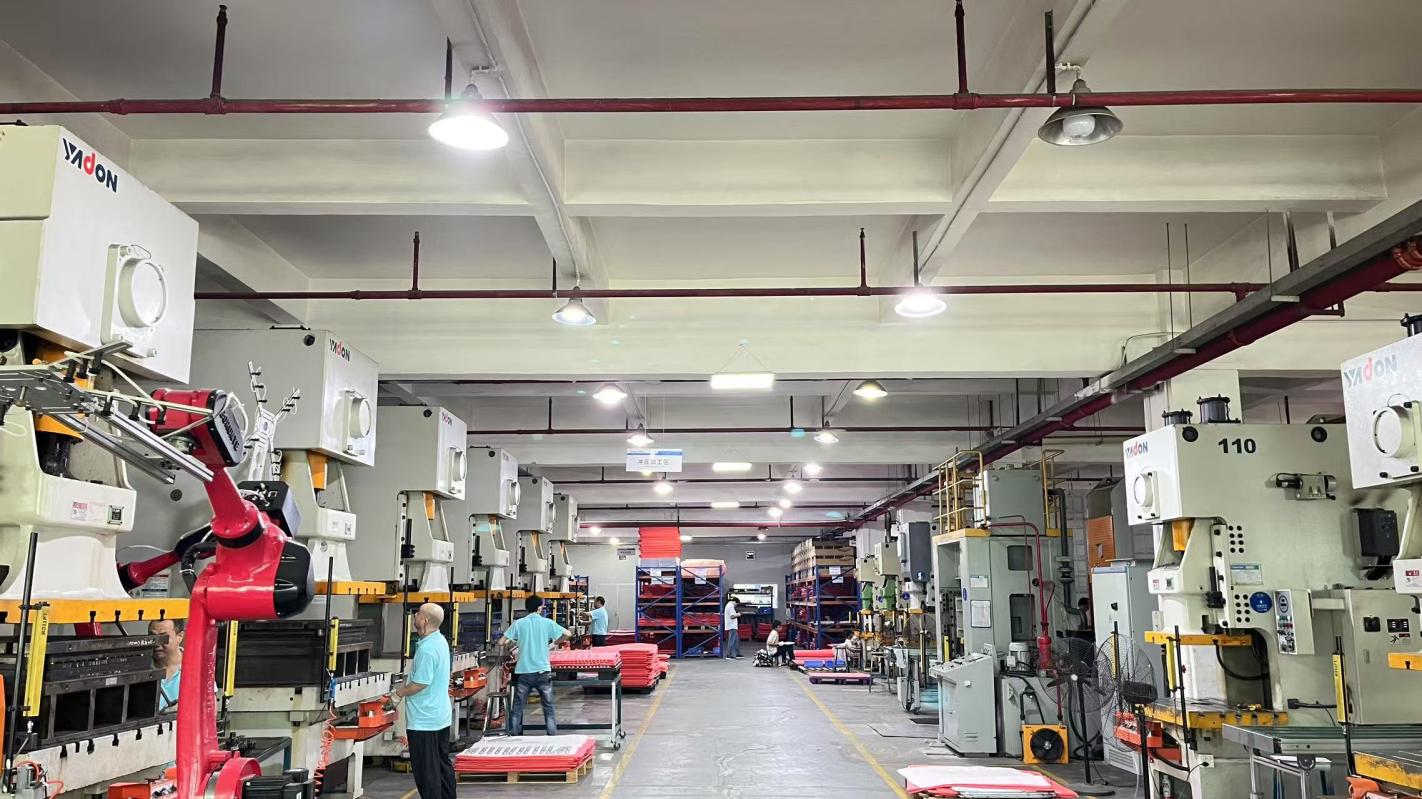
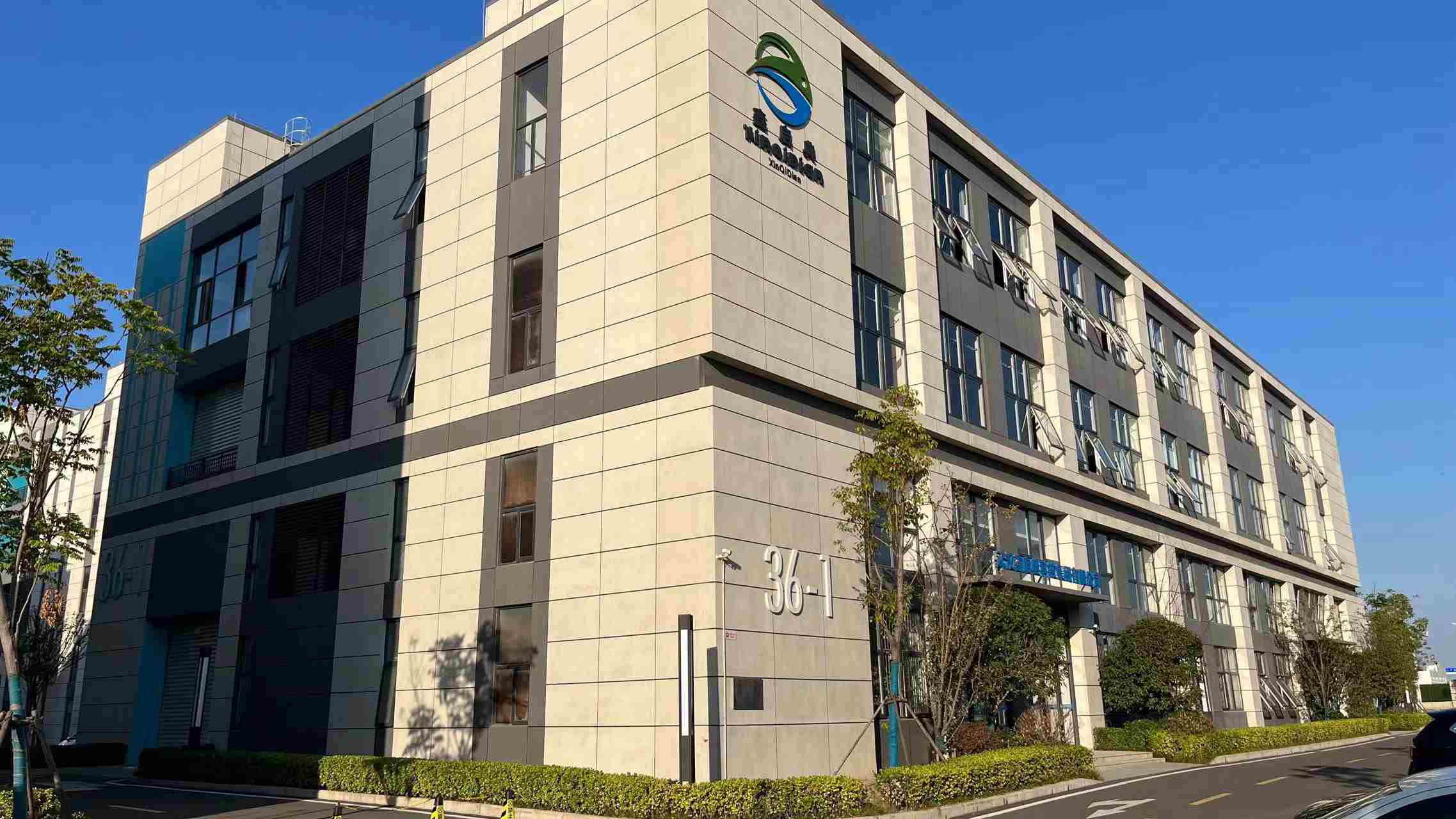
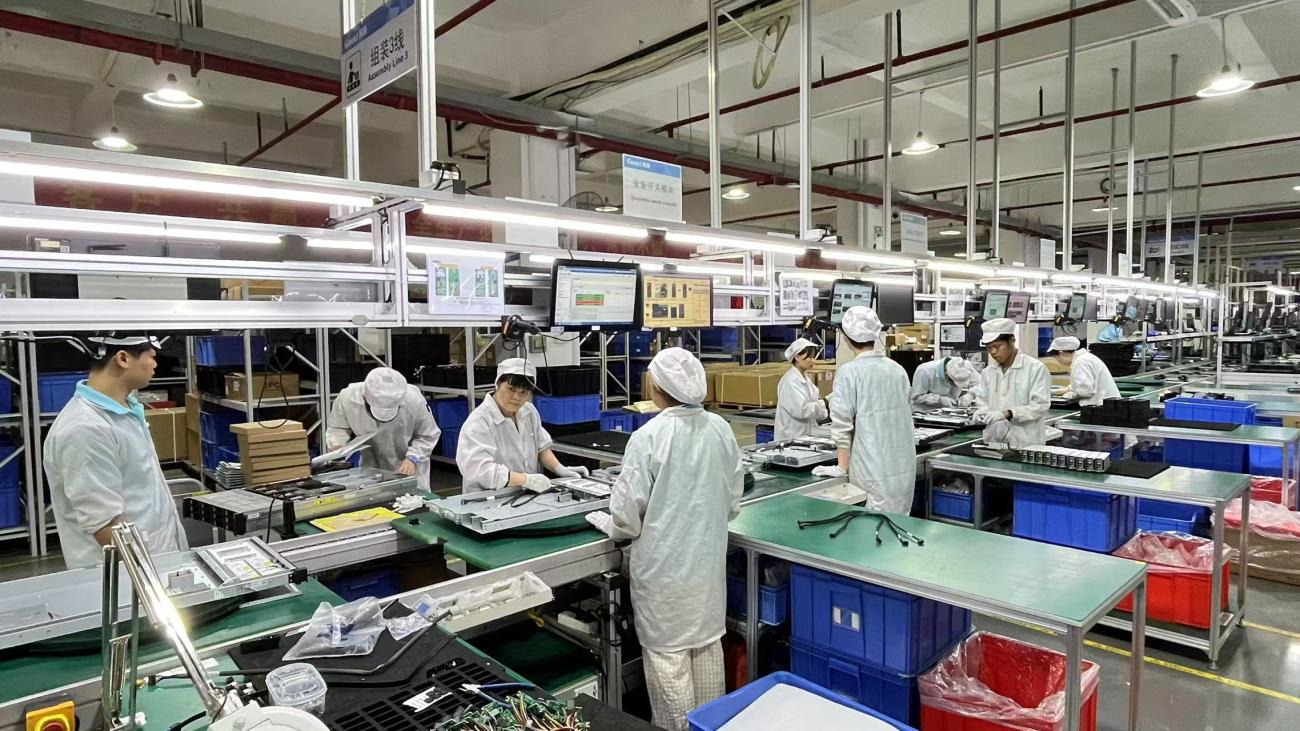
Inside Veltron's 3,800 square meter modern manufacturing facility located in Shenzhen, China
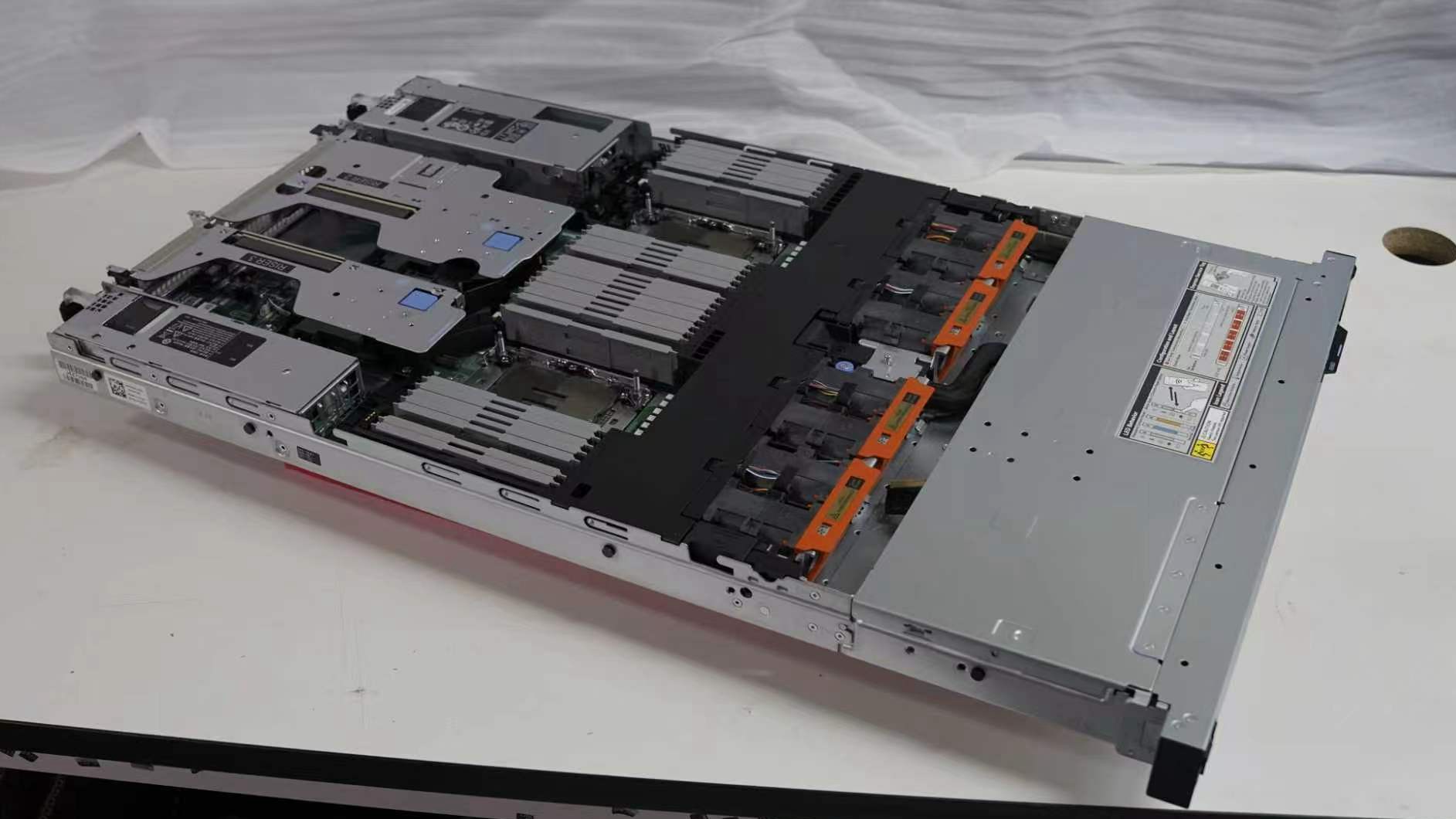

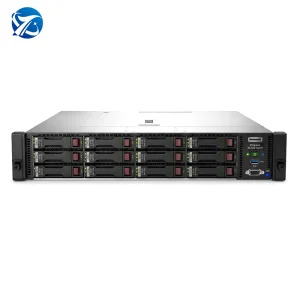
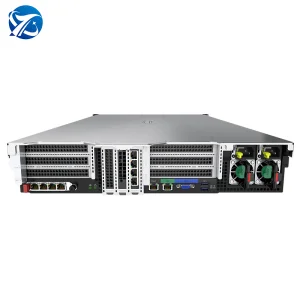
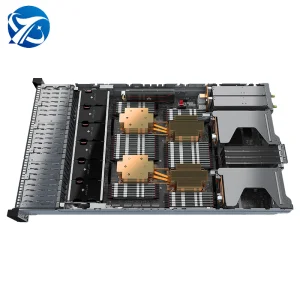
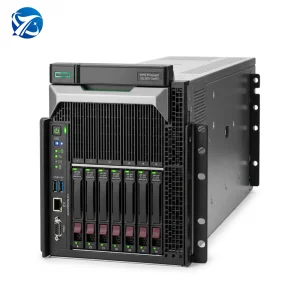
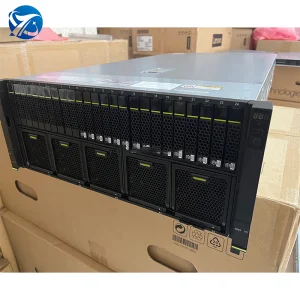
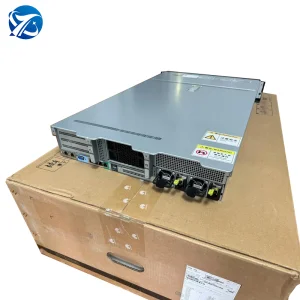
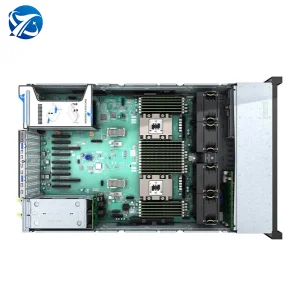
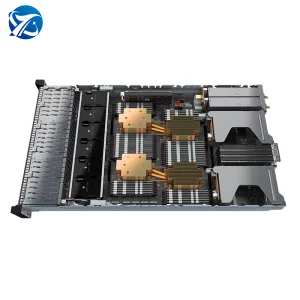
Scalable server configurations optimized for high-speed fiber backbone architectures