Veltron
Veltron
Veltron
Explore our core enterprise networking, processing hardware, and specialized data carrier modules utilized in optimized protocol environments.
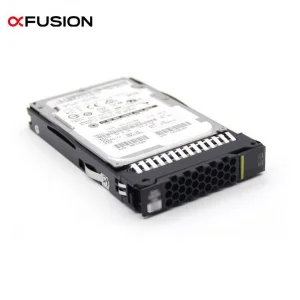
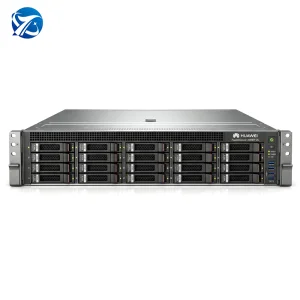
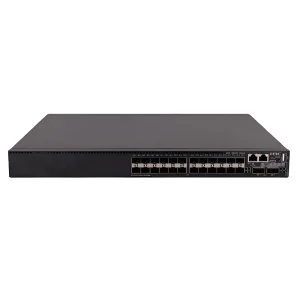
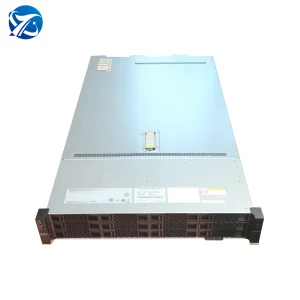
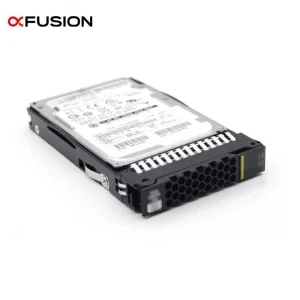
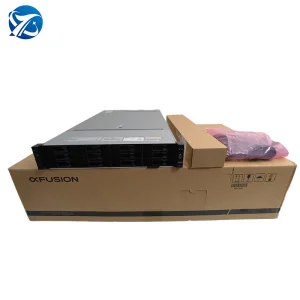
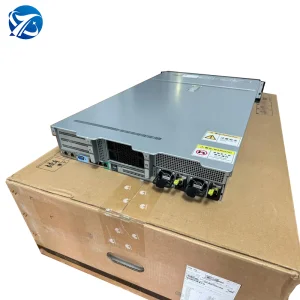
Modern distributed computing environments—specifically those handling large language models (LLMs), machine learning operations (MLOps), and high-frequency real-time financial pipelines—are continuously bottlenecked by communication latency. Historically, standard Ethernet stacks were sufficient. Today, hardware fabrics demand specialized transport frameworks that bypass CPU bottlenecks.
The industry is transitioning toward RoCEv2 (RDMA over Converged Ethernet) and InfiniBand native implementations. Custom OEM protocol designs allow companies to integrate specific packet headers, congestion notification metrics (ECN/PFC optimization), and dynamic traffic routing algorithms directly into hardware interfaces. By rewriting and customizing firmware layers at the network controller level, packet loss is minimized, and throughput approaches theoretical line-rate limits.
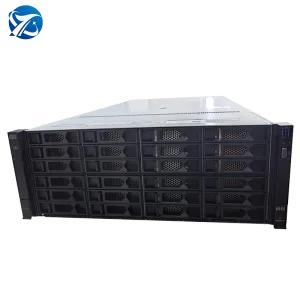
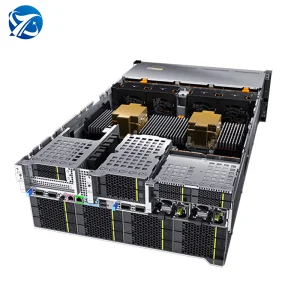
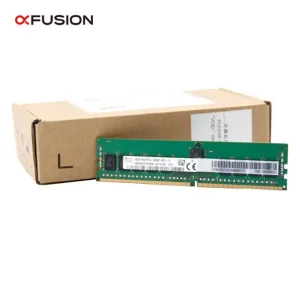
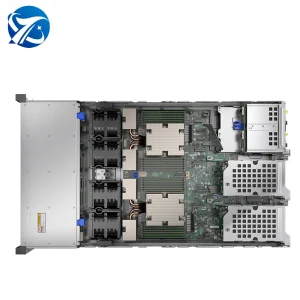
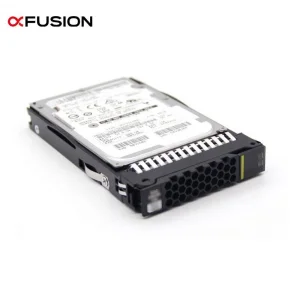
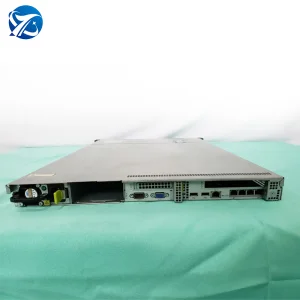
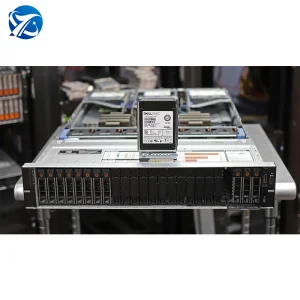
As a leading supplier of AI and GPU servers, Veltron Computing Technology Co., Ltd. remains at the absolute cutting edge of this development. We provide customization support for specialized encapsulation formats, custom L2/L3 transport topologies, and custom control planes that work seamlessly with modern server platforms like Dell PowerEdge and xFusion clusters.
Addressing the complex technical demands of modern infrastructure managers, network architects, and global procurement departments.
Global enterprises face extreme challenges when scaling heterogeneous server environments. Standard OEM network protocols are often closed-source or hard-coded to work within a specific hardware ecosystem. Custom protocols allow multi-vendor environments (comprising xFusion, Dell, and custom GPU boxes) to communicate seamlessly without throughput degradation or proprietary control software limitations.
High-frequency traders, scientific computation setups, and AI clusters require absolute predictability in network transit times. Standard TCP/IP protocol overhead generates jitter and unpredictable latency spikes. By developing custom OEM layer 2 bypass protocols and optimizing physical transceiver firmware, we enable zero-copy memory transfers and packet-level priority queues.
Military, governmental, and critical financial infrastructures require protocol-level hardware encryption. Traditional software VPNs and overlays impose massive computing overhead. Custom OEM protocols integrate hardware-accelerated AES or custom cryptographic primitives directly at the physical network frame level, securing data-in-transit without introducing measurable processing delays.
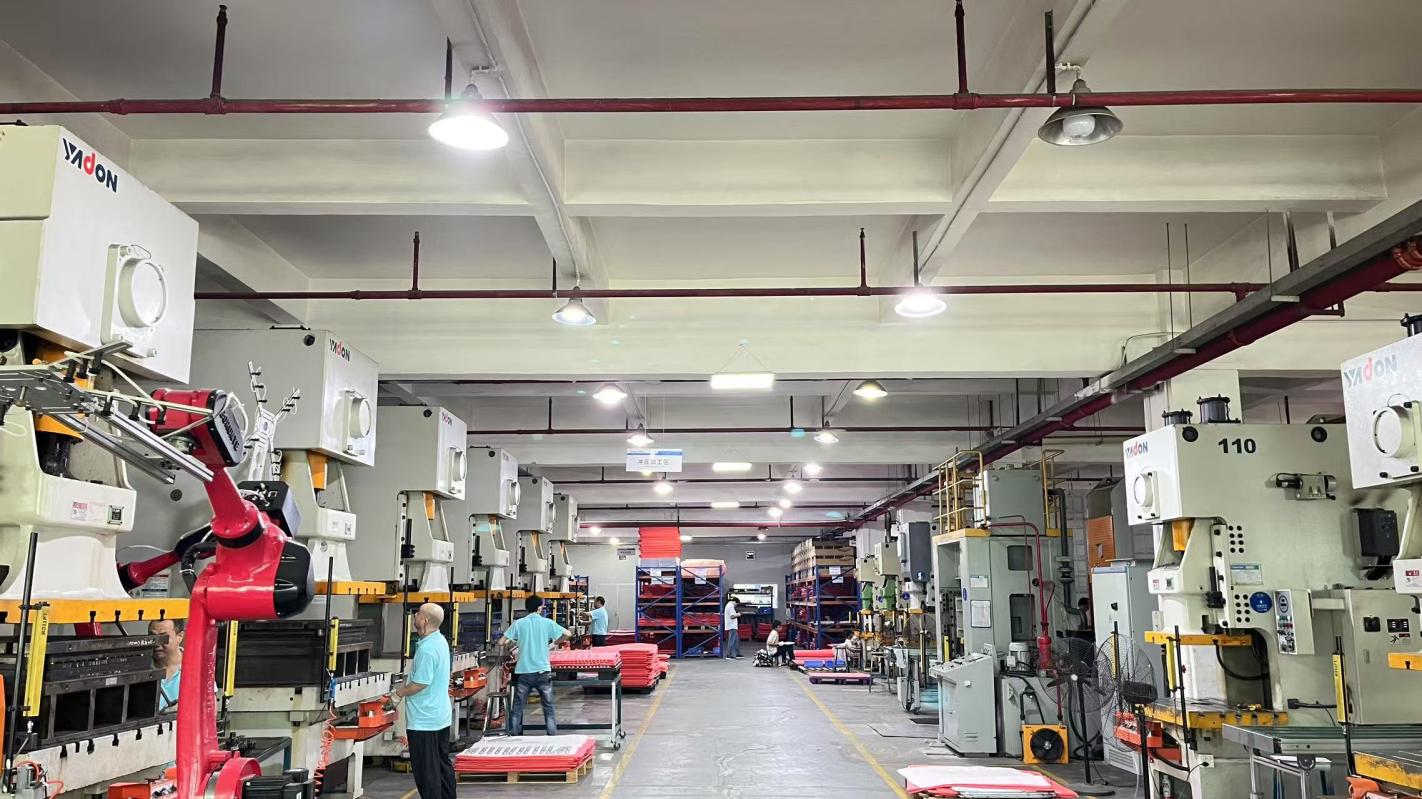
Located in the heart of Shenzhen's industrial technology cluster, Veltron Computing Technology Co., Ltd. utilizes a state-of-the-art 3,800 square meter factory floor running Industry 4.0 paradigms. With a strategic network of more than 1,200 supply chain partners, we guarantee component availability even during global semiconductor shortages, maintaining robust pipeline capacities for key hardware components including controller ASICs, high-quality PCBs, and optical transceivers.
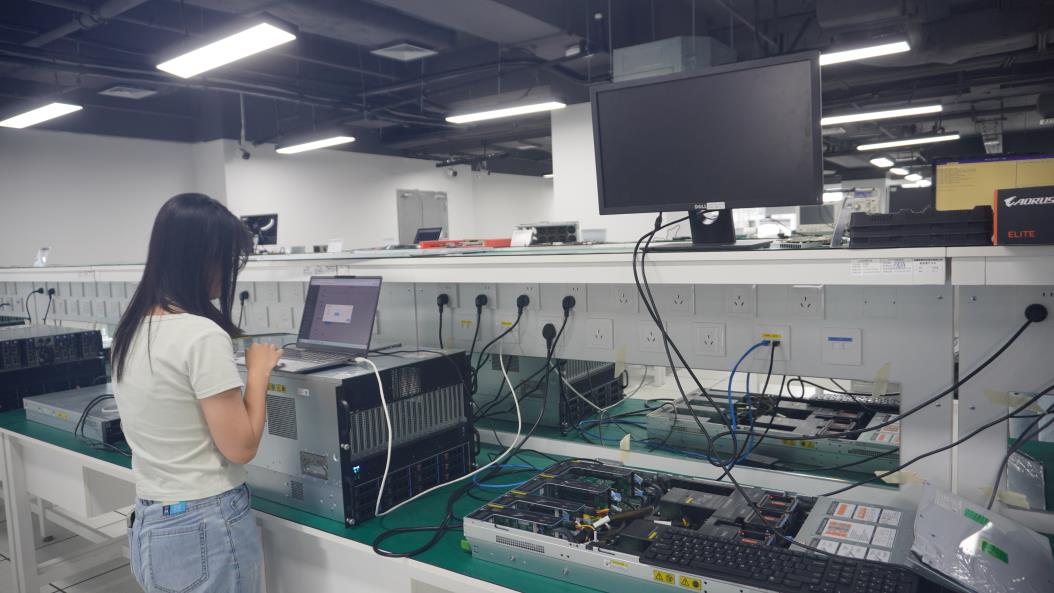
We believe quality is the foundation of high-performance architecture. Our factory features 56 dedicated quality control personnel who run strict validation protocols:
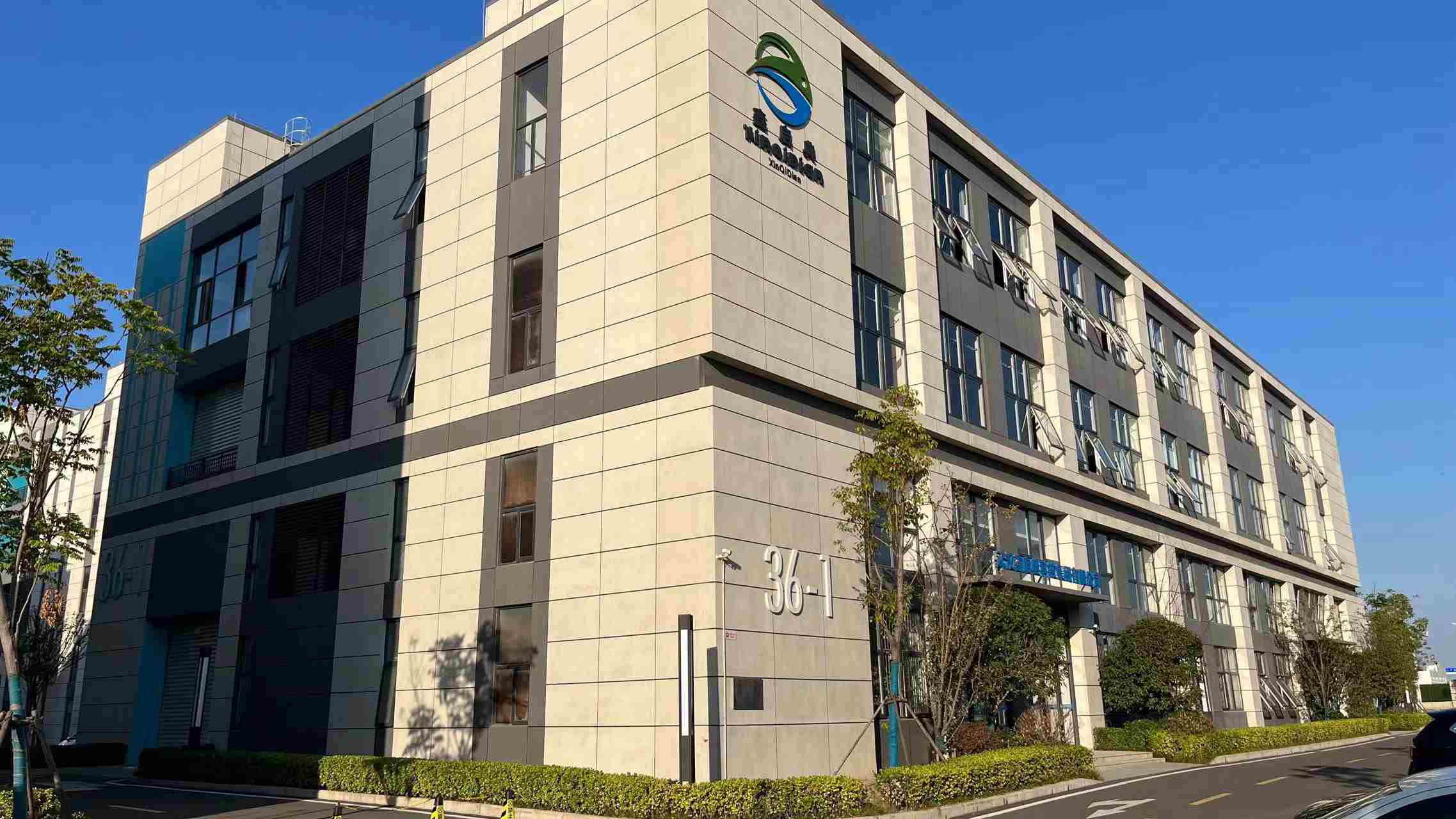
A closer look at the advanced testing and manufacturing capabilities of our Shenzhen manufacturing hub.
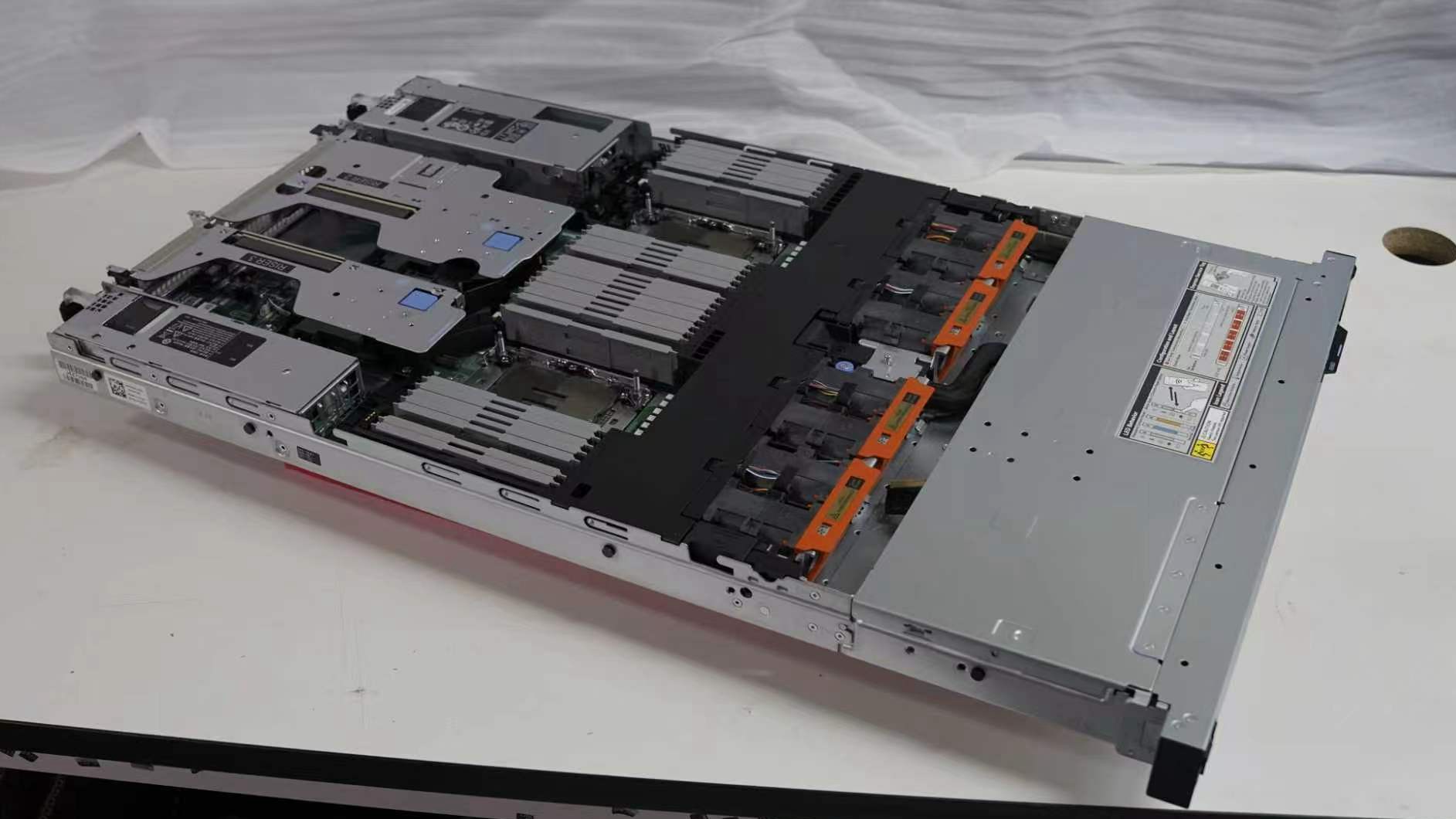
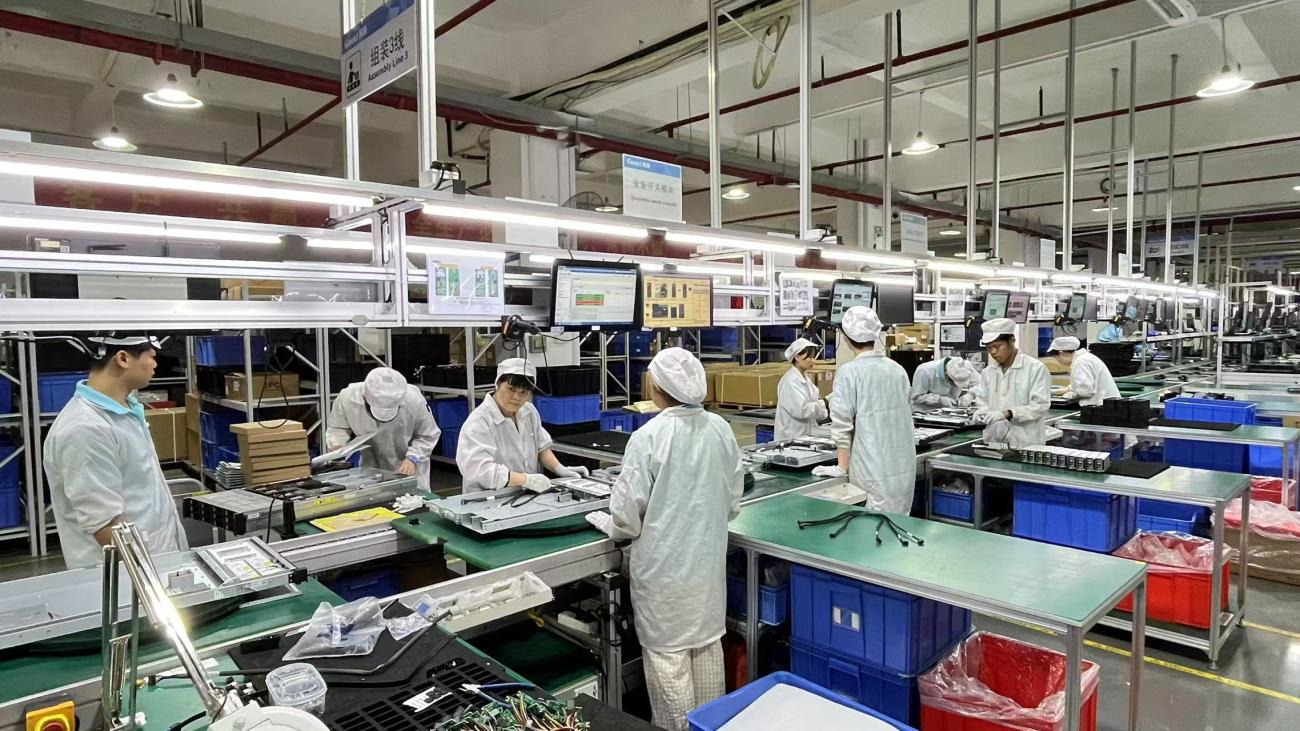
Providing optimal efficiency across global environments, tailored for specific computing layouts.
During large-scale model training, thousands of GPUs exchange weight tensors in parallel. Traditional TCP protocol overhead slows GPU processing to a crawl. OEM RoCEv2 networks bypass the CPU completely, reducing node-to-node latency to sub-microsecond levels, ensuring max GPU utilization rates.
In high-frequency financial markets, a microsecond delay translates directly to massive losses. Custom L2 protocols with minimal packet header overhead allow direct kernel-bypass injections. Traders get real-time price updates and execute trades ahead of the standard public network queue.
Smart factories and robotic arms require exact timing cues to prevent operational failure. By integrating hardware-stamped PTP (Precision Time Protocol) and deterministic traffic scheduling algorithms at the network chip level, we assure microsecond coordination across vast assembly chains.
5G networks demand fast processing at distributed cell towers. Edge architectures run heavily virtualized environments. Optimizations using DPDK (Data Plane Development Kit) and SR-IOV permit virtual machines to talk directly to network cards, boosting network performance and saving precious CPU cycles.
Technical answers straight from the Veltron engineering desk, clarifying integration, performance standards, and development pipelines.

Deploying high-speed custom network topologies requires highly resilient hardware backplanes. High-frequency signals degrade rapidly across traces if layout tolerances are not strictly controlled. Veltron leverages advanced multi-layer PCB design methodologies alongside high-conductivity materials to keep signal attenuation to absolute minimum levels.
Additionally, modern GPU computing clusters generate massive thermal energy, which directly influences network transceivers. Our hardware units utilize custom-engineered heatsinks, liquid cooling block interfaces, and intelligent fan-speed control loops. This guarantees that physical network hardware modules operate consistently within their optimal thermal ranges, minimizing bit-error rates and avoiding automatic thermal-throttling states.
Whether you require standard 10G/40G/100G interfaces or custom 400G/800G optical switch architectures, Veltron acts as a reliable OEM partner. We cover the entire design lifecycle: from board layouts and customized bios/firmware compilation to full-scale assembly, testing, and regulatory certifications.
Ensure seamless cross-node performance by pairing customized network protocols with our processing and system hardware.