Veltron
Veltron
Veltron
High-bandwidth interconnects and GPU systems designed to scale data center workloads
In the era of massive language models, complex neural network training, and trillion-parameter deep learning architectures, network throughput is the ultimate bottleneck. Traditional Ethernet, while cost-efficient for daily enterprise computing, struggles under the dynamic packet loads of synchronized GPU training clusters. It is susceptible to high packet loss, unpredictable tail latency, and severe protocol stack overhead.
InfiniBand Switches solve these core architectural challenges. By utilizing Remote Direct Memory Access (RDMA) over native hardware, they bypass the OS kernel and host CPU entirely. Data transfers directly from the memory of one node to the memory of another. This architecture ensures:
Off-the-shelf networking hardware rarely aligns perfectly with customized server architectures, thermal constraints, or specific platform interfaces. Through Veltron's custom OEM design pathways, enterprise clients receive:
Veltron's standard architecture and customization ranges for InfiniBand switches
| Parameter / Feature | Standard Specifications | Custom OEM/ODM Expansion Capabilities |
|---|---|---|
| Supported Data Rates | EDR (100 Gbps), HDR (200 Gbps) | NDR (400 Gbps) & custom XDR (800 Gbps) interfaces |
| Port Densities | 32-Port, 40-Port QSFP56 / OSFP | Modular hybrid port configuration (QSFP-DD/OSFP) and breakout cable configurations |
| Latency Profiles | < 130ns (Port-to-Port) | Ultra-low-latency ASIC tuning for high-frequency trading (HFT) and real-time AI modeling |
| Switching Capacity | Up to 16 Tbps non-blocking throughput | Customized backplanes and multi-chip module topologies |
| Thermal Management | Front-to-back or back-to-front hot-swappable fan trays | Liquid-cooling block integration and custom smart fan-speed algorithms |
| Firmware & OS Support | Mellanox/NVIDIA compatible systems, native OS | SONiC integration, Open Network Install Environment (ONIE), custom REST API endpoints |
Navigating the transition from 400G NDR to 800G XDR and 1.6T GDR architectures
As AI training workloads scale exponentially, networks must transition to 800G per port. Veltron’s R&D center actively designs next-generation optical switches with 112G and 224G SerDes architectures. This layout minimizes signal loss across copper trace paths and optimizes compatibility with active optical cables (AOCs).
Co-packaged Optics (CPO) represents the next frontier in switch thermal efficiency. By mounting the optical engine directly onto the switch substrate alongside the silicon ASIC, CPO reduces transit power by up to 30%, which eliminates traditional pluggable transceiver bottlenecks.
Modern InfiniBand leverages hardware-based self-healing algorithms (such as NVIDIA SHIELD technology). Switch ASICs route packets around Link-Down anomalies dynamically. This maintains network availability and avoids costly node rebuilds during multi-month training tasks.
Enabling scale-out network infrastructure across high-demand enterprise environments
Large language model clusters (like deep learning engines running GPT or DeepSeek architectures) require massive synchronized matrix multiplications. Traditional Ethernet packet collisions cause GPUs to idle, wasting power and compute budget. Our InfiniBand solutions guarantee a non-blocking fat-tree layout, allowing up to 10,000+ GPUs to work in perfect synchronization.
Key Benefit: Up to 95% GPU computation efficiency compared to 70% under standard Ethernet architectures.In quantitative finance, latency is measured in nanoseconds. Our custom-designed switch ASICs prioritize trading packets via hardware-level cut-through routing. They bypass standard store-and-forward latency bounds to ensure that ticks reach execution engines faster than competitors.
Key Benefit: Port-to-port latency remains static under load, protecting against high-market-volatility spikes.Molecular dynamics, seismic simulations, and thermodynamic calculations require parallel computing arrays with massive inter-node file transfers. Veltron InfiniBand switches interconnect compute arrays directly with high-performance Lustre and GPFS storage systems. This architecture eliminates I/O bottlenecks and increases file write/read cycles by up to 400%.
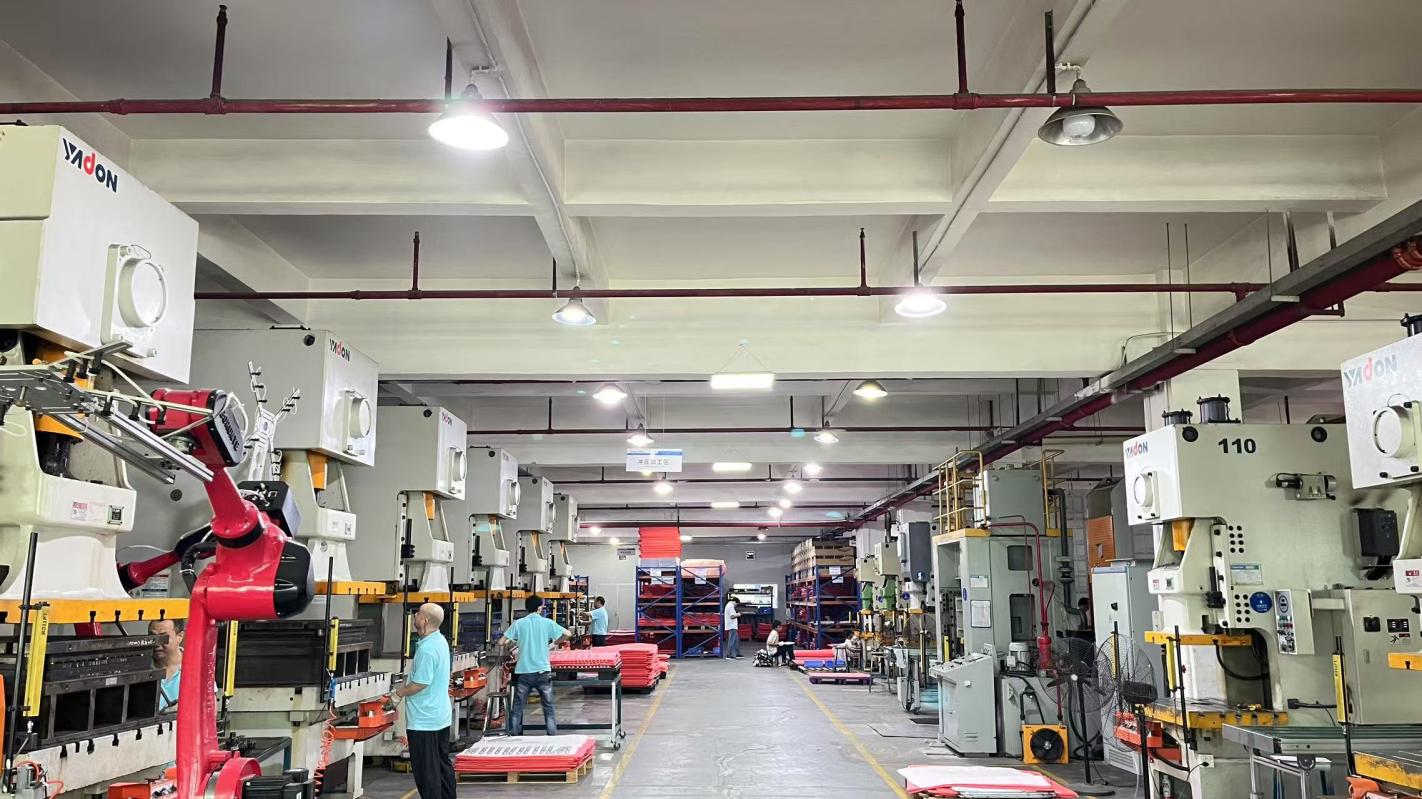
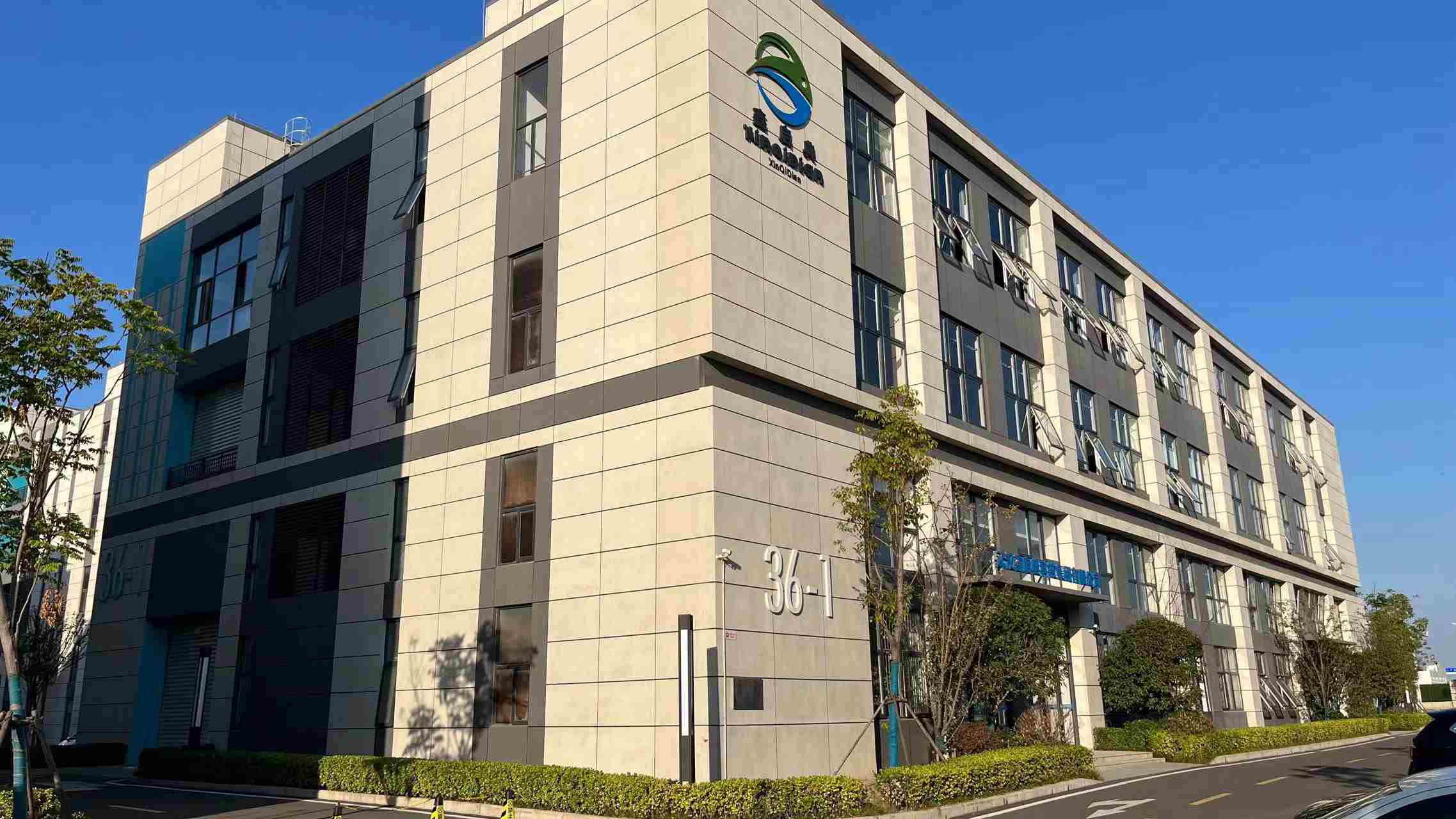
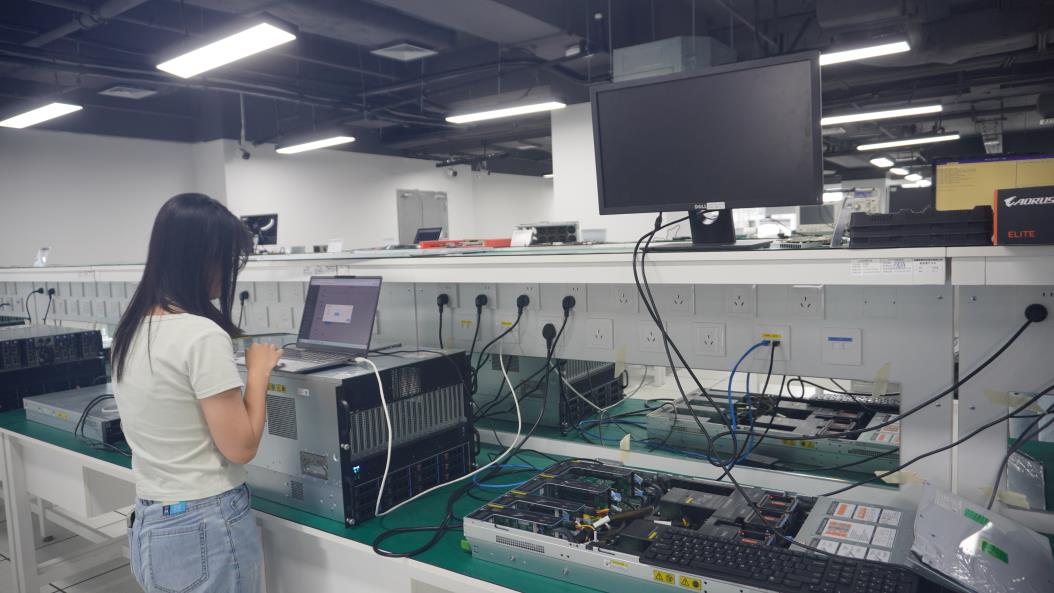
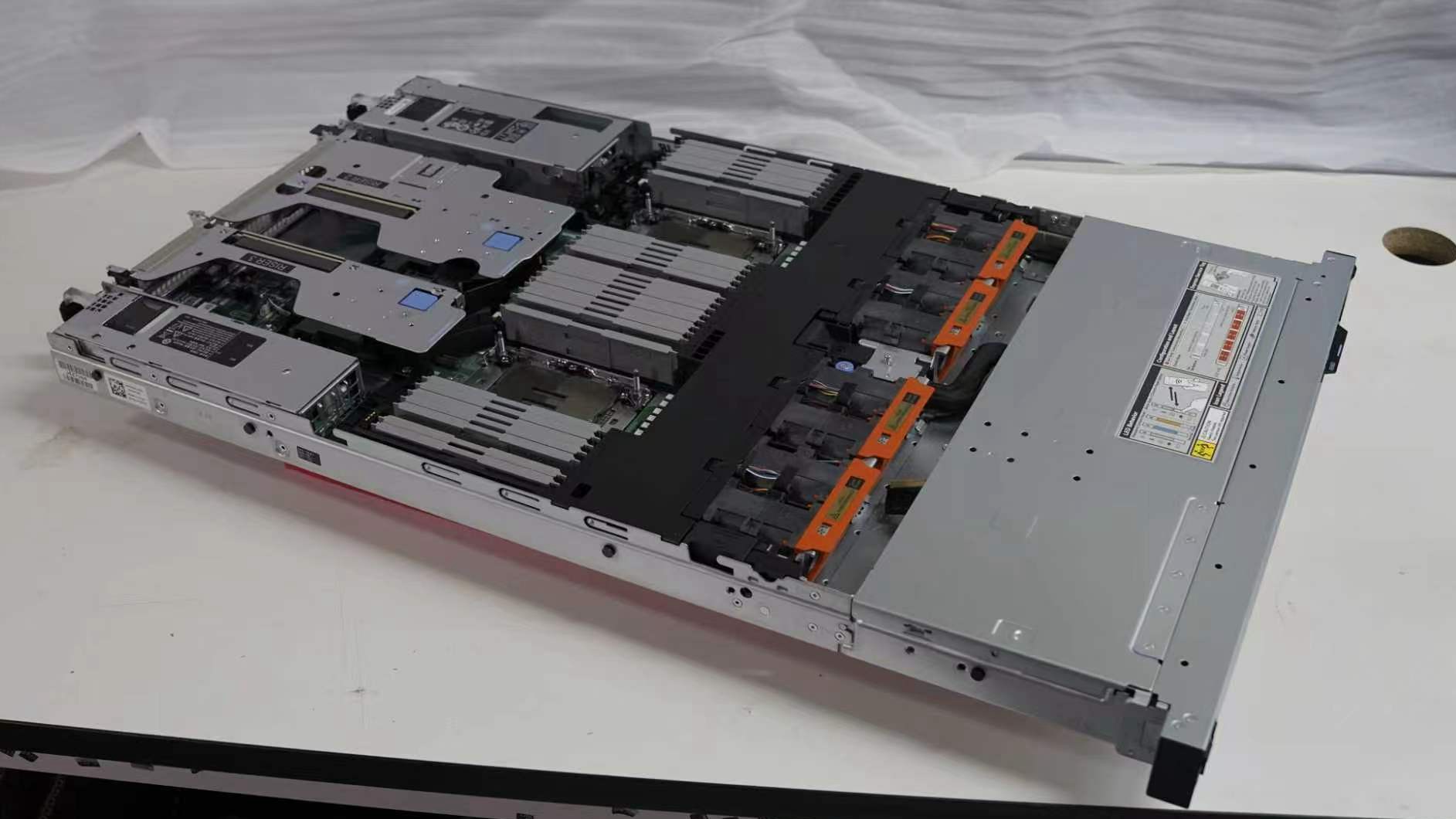
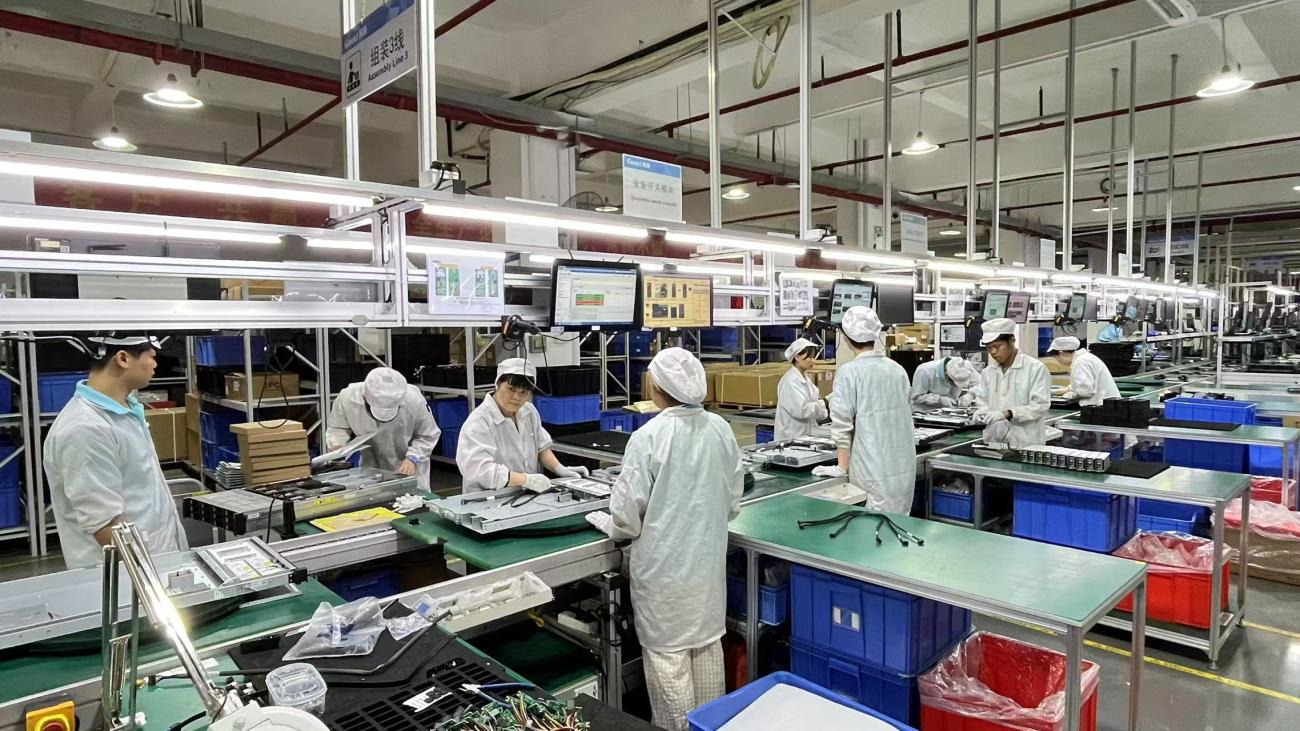
Veltron operates a modern 3,800+ square meter manufacturing facility in Shenzhen, China. This facility features advanced automated assembly lines, high-frequency signal labs, and environmental testing chambers. By leveraging Shenzhen's hardware ecosystem, we provide fast delivery times, custom prototyping, and sourcing resilience.
All designs undergo rigorous quality validation overseen by 56 quality control personnel. This includes 3D Solder Paste Inspection (SPI), high-frequency signal eye diagram testing, automated optical inspection (AOI), and environmental burn-in under heavy load. This process guarantees 99.999% up-time availability in data centers.
Our Advanced Manufacturing Facility & Labs

Ensuring seamless custom integration and regulatory alignment worldwide
Exporting high-speed networking hardware requires strict compliance. Veltron products conform to FCC Class A, CE Mark, RoHS, UL, and CCC regulations. We provide documentation for global custom clearances and verify that all system components meet international safety guidelines.
By leveraging partnerships with over 1,200 suppliers, we manage long-lead ASICs, advanced optical transceiver modules, and high-quality PCB dielectrics. This minimizes delays and supports stable delivery schedules, even during global supply chain fluctuations.
We provide comprehensive warranty programs and customized firmware support. Customers can access remote technical support or arrange localized hardware replacements in Europe, North America, and Southeast Asia to minimize operational downtime.
Technical and logistics questions answered by our system design specialists
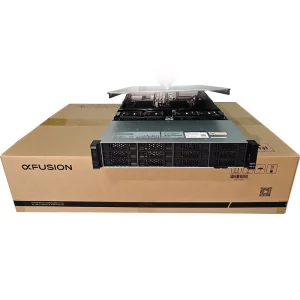
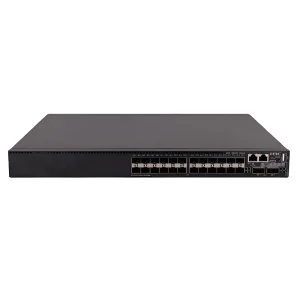
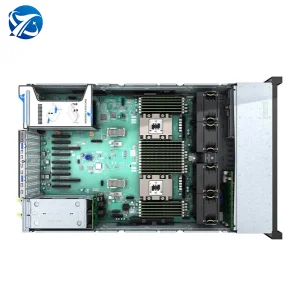
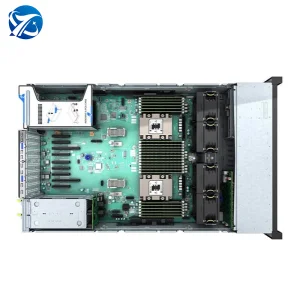
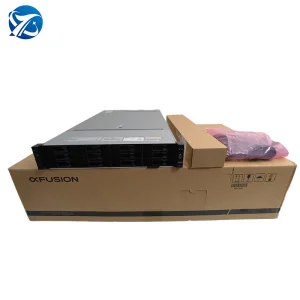
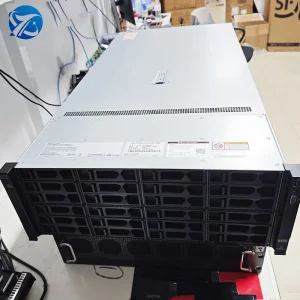
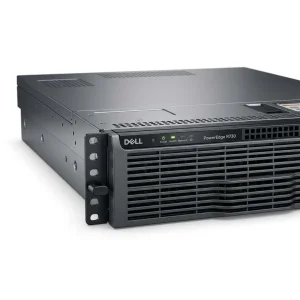
Enterprise storage nodes, GPU servers, and core expansion switches