Veltron
Veltron
Veltron
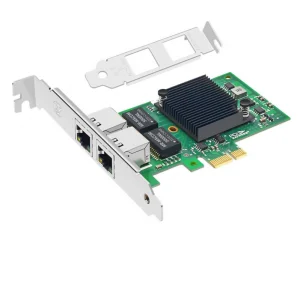
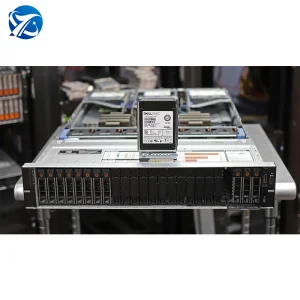
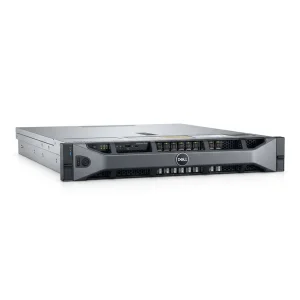
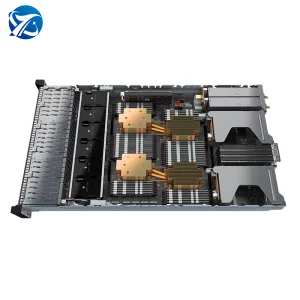
Unlocking processing limits with architectural integration and hardware level validation.
An inside look at the structural advantages driving global datacenter modernization.
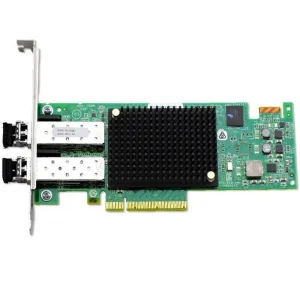
Shenzhen acts as the hardware capital of the world. By maintaining direct relations with over 1,200 suppliers, we expedite component sourcing (CPUs, SAS/NVMe drives, SFP28 transceivers) in days rather than weeks, dramatically shortening deployment times for critical computing nodes.
With 168 engineers specializing in system architectures, electrical engineering, and heat dissipation structures, we handle complicated OEM/ODM requests. This includes modifying system firmware, developing PCIe expansion topologies, and validating specific Linux/Windows kernel matches.
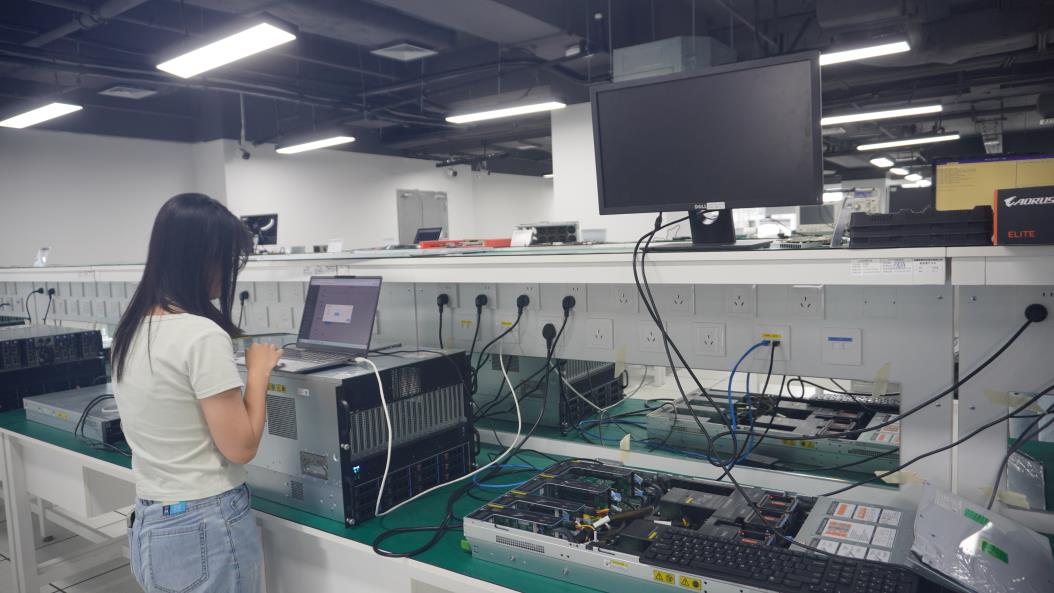
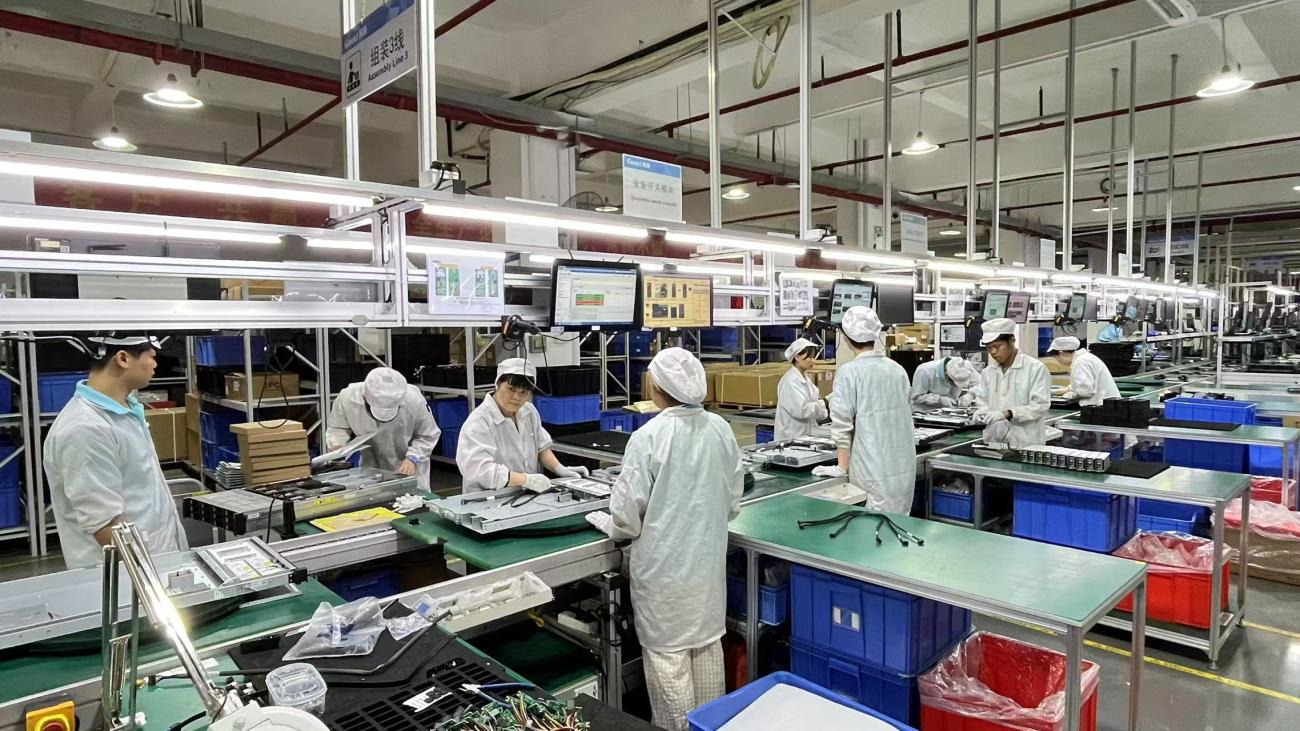
Our internal quality control unit consisting of 56 professionals enforces strict benchmarks. Every node must pass long burn-in cycles, memory testing under extreme thermal thresholds, and physical vibration assessments before shipping, eliminating out-of-box hardware failures.
Analyzing next-generation computing standards, networking paradigms, and software integration requirements.
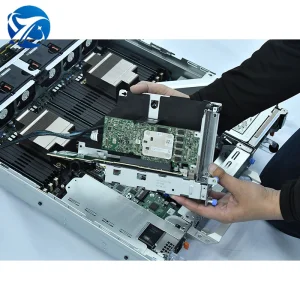
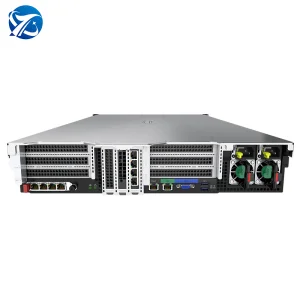
Enterprise computing is transitioning away from standard CPU layouts to heterogeneous architectures that pair high-performance CPUs with specialized accelerators. Setting up servers like the Dell PowerEdge R760/R750 GPU Server or custom OEM server chassis requires precise integration of power delivery and cooling designs. Technical support must address specialized firmware parameters (such as PCIe Above 4G Decoding and SR-IOV mapping) to prevent CPU-to-GPU data transmission bottlenecks.
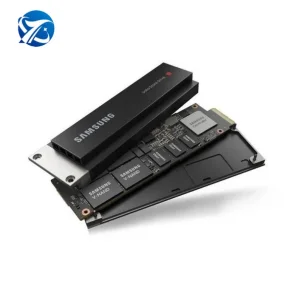
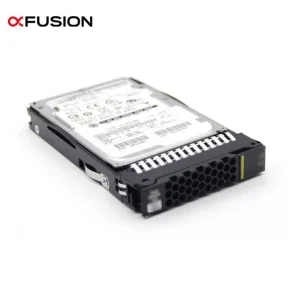
As data volumes scale, data centers require tiered storage solutions. For high-speed caching and fast data retrievals, high-capacity enterprise SSDs (e.g., Samsung PM893 or PM1653) provide high IOPS write/read cycles. For mass storage, large-capacity SAS hard drives (up to 12Gb/s at 7200rpm) remain highly cost-efficient. Technical teams must select suitable RAID controllers, such as the XP270-M2 RAID Card (supporting RAID 0, 1, and JBOD without cache), to balance performance with data protection.
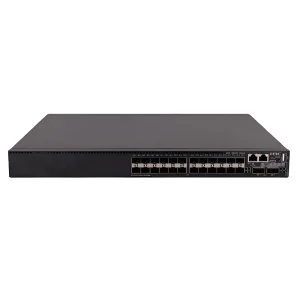
High-speed, multi-node compute architectures require robust network paths. Using top-of-rack solutions like the H3C S6520X-30QC-EI Core Switch (which supports multiple 10G/40G optical interfaces) ensures fast data processing across compute nodes. Implementing high-speed network support involves configuring Link Aggregation Control Protocols (LACP), Virtual Local Area Networks (VLANs), and optimizing Quality of Service (QoS) parameters to maintain consistent packet delivery.
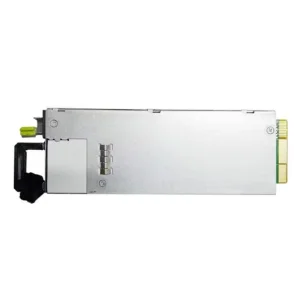
Advanced GPU systems and multi-socket CPU systems demand stable, high-efficiency power delivery. Using Titanium or Platinum-level power supplies (ranging from 900W to 2000W AC PSUs) ensures system stability under heavy processing loads. Technical support must analyze system draw, calculate proper phase distributions, and ensure N+1 or 2+2 redundancy settings are properly configured within the power management system.
How custom-configured servers resolve real-world deployment challenges across industries.
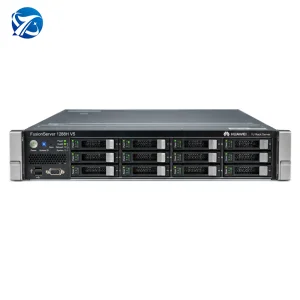
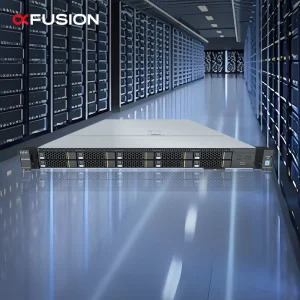
By using high-density 1U systems like the Dell PowerEdge R660 and FusionServer 1288H V5, virtualization providers can maximize CPU core density and RAM capacity per rack unit. Technical support ensures correct hypervisor installation (VMware ESXi, Proxmox VE, or KVM) and configures virtual storage networks.
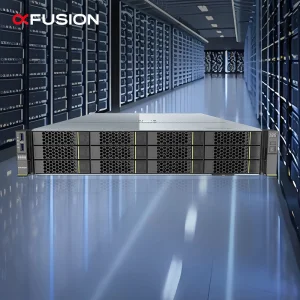
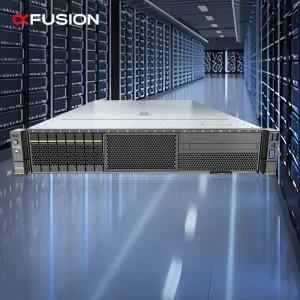
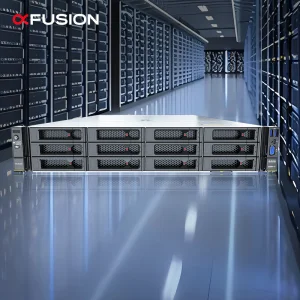
For structured databases and large media workflows, systems like the xFusion 2288H V6 can be populated with high-capacity enterprise SSDs. Technical support configures Software-Defined Storage (SDS) platforms like Ceph, TrueNAS, or MinIO, and sets up advanced cache tiering.
Specialized multi-GPU servers are configured to handle model training and low-latency inference workloads. Technical support involves configuring NVIDIA CUDA environments, PyTorch runtimes, and verifying that PCIe fabric topologies operate at full PCIe Gen 4/Gen 5 speeds.
Comprehensive integration services matching hardware builds with professional support.
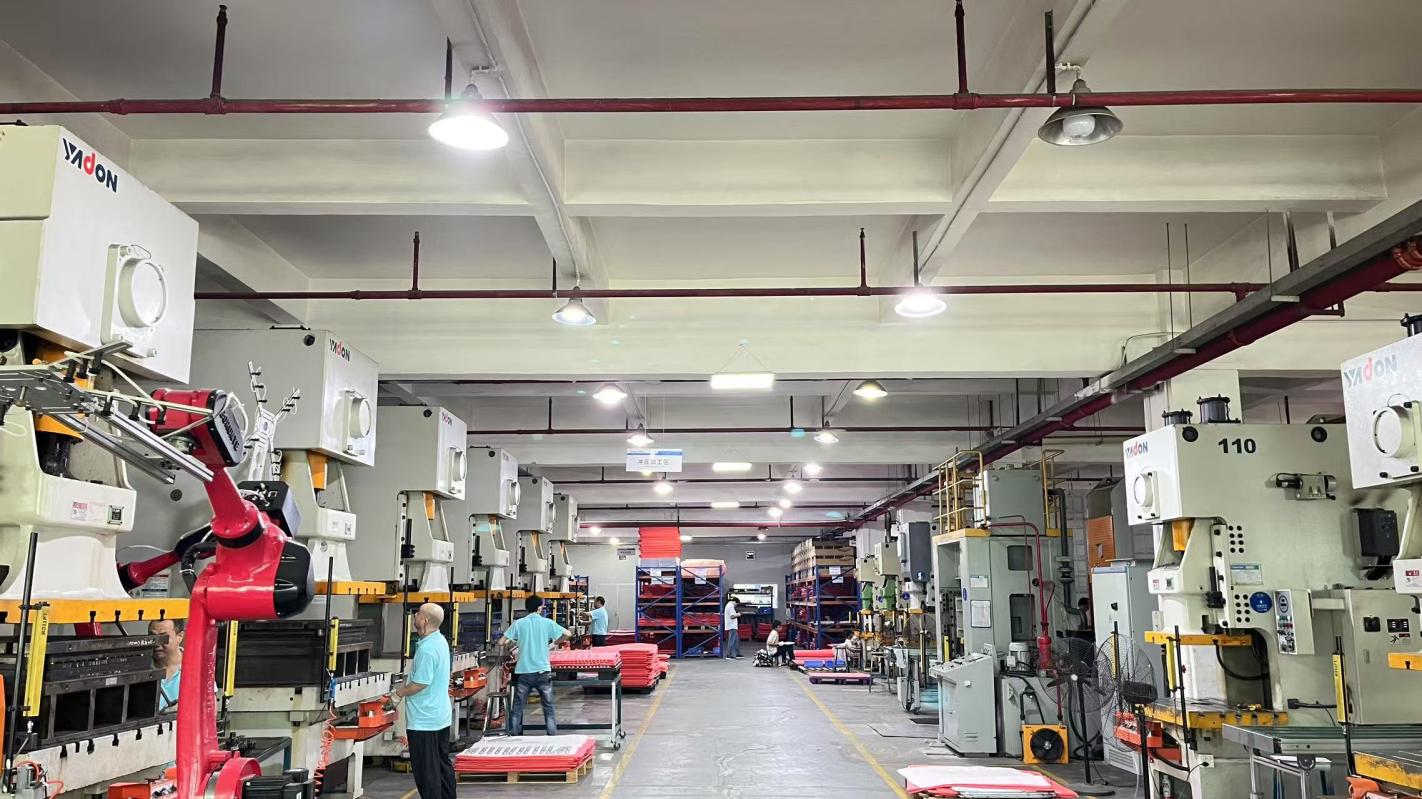
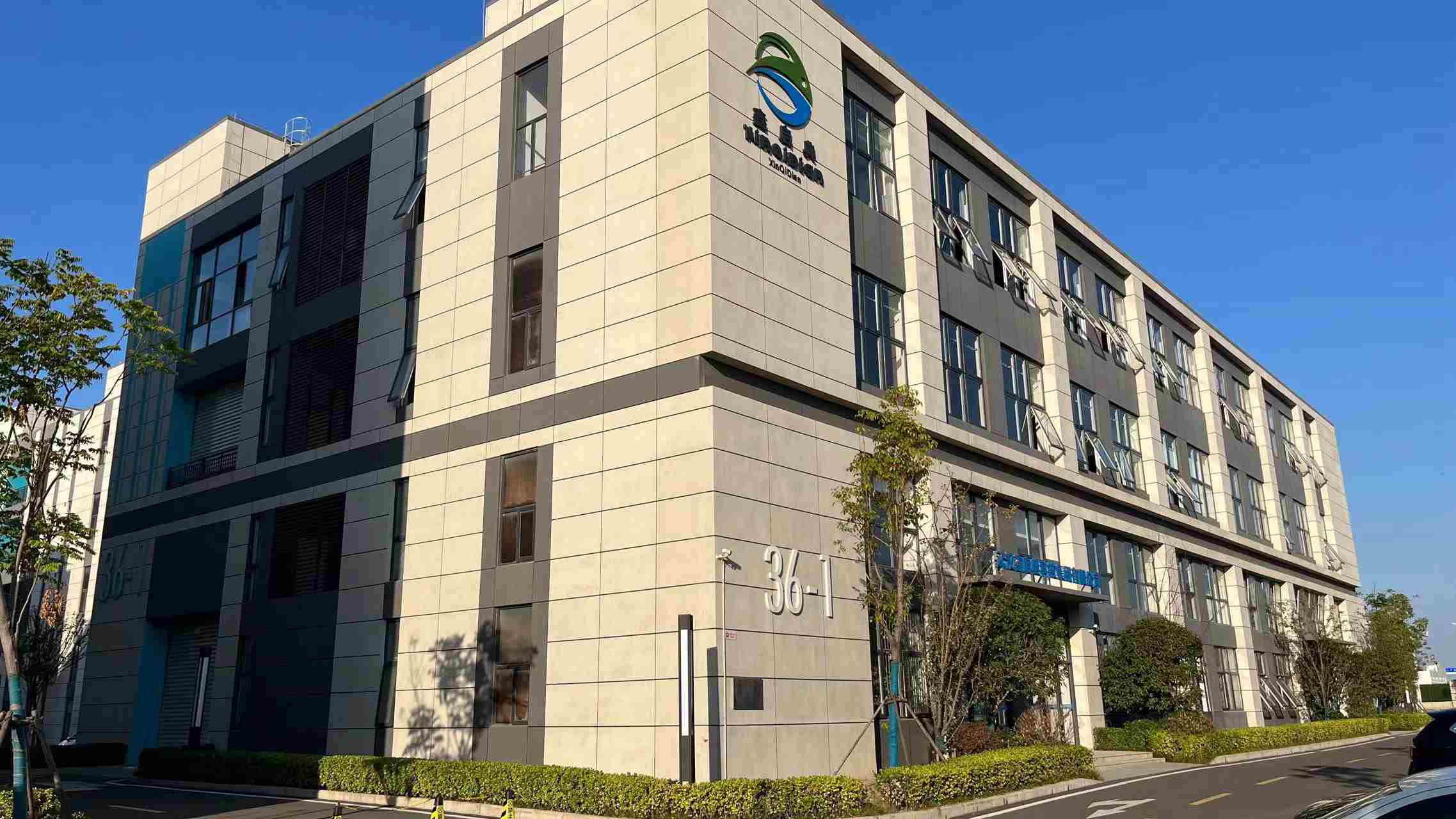
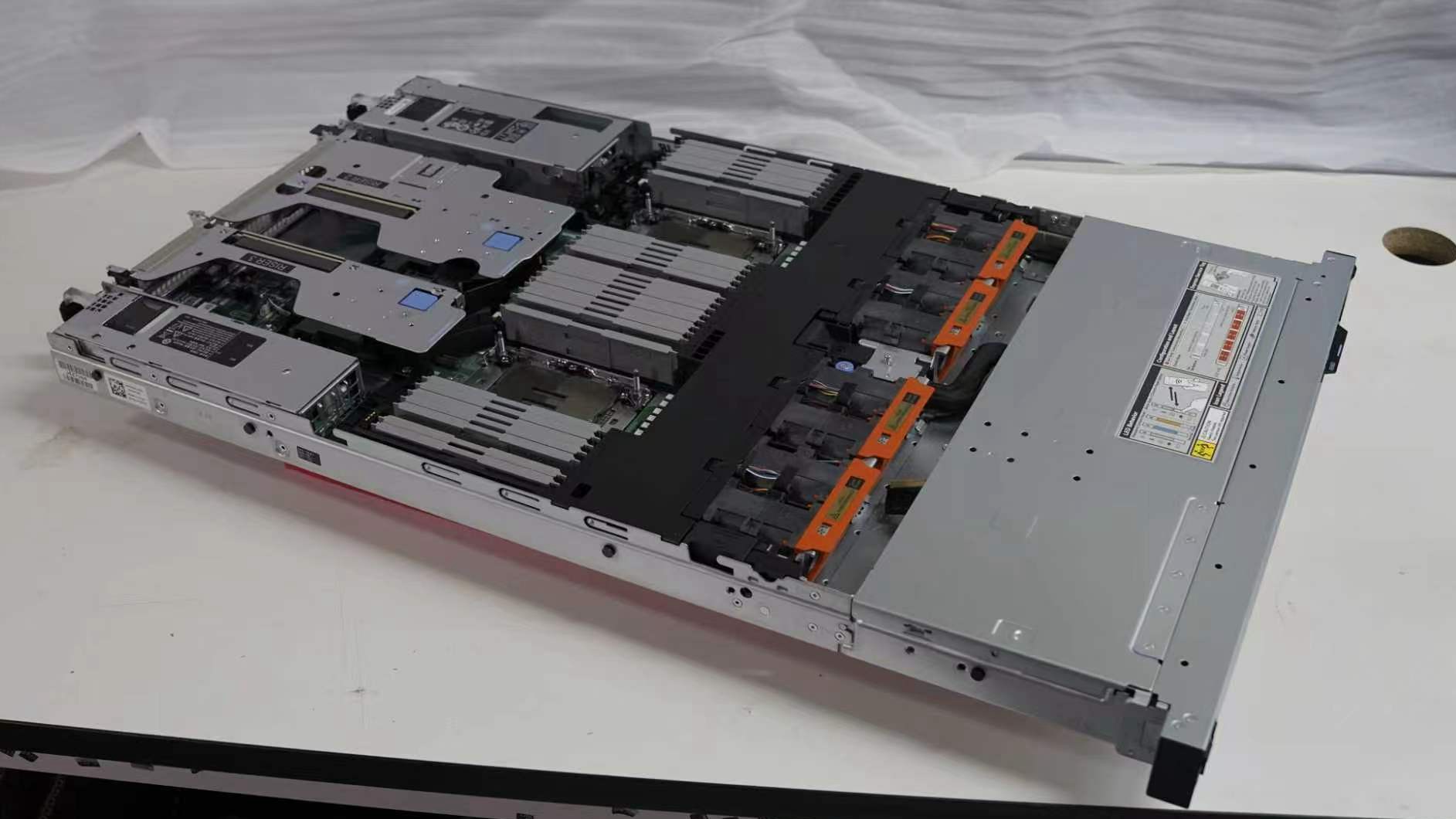
A look inside Veltron's production facility, testing areas, and quality control systems.

Expert technical answers regarding server hardware sourcing, custom configurations, and deployment services.
We maintain strategic partnerships with over 1,200 verified supply chain partners. Every batch of components—from enterprise SAS HDDs and Samsung SSDs to CPU modules and network switches—goes through incoming quality control (IQC) inspection. We only source original, grade-A components with verifiable manufacturer tracing.
Our 168-engineer R&D team can customize server chassis branding, BIOS boot logos, BMC monitoring configurations, hardware layouts (such as specific PCI-e riser card extensions), storage controller selections (like the XP270-M2 RAID Card), and power supply ratings. We can also pre-load and test custom software environments prior to shipping.
Our 56 QA specialists implement a multi-stage testing process. Each server goes through a complete hardware check, RAM diagnostic cycles (MemTest86), high-temperature burn-in testing (up to 45°C ambient temperature), and network throughput validation using tools like Iperf3. We provide a comprehensive validation report for every system shipped.
We offer remote technical support through secure VPN connections, ssh/IPMI sessions, and video conferences. Our engineers assist with initialization, storage pool configuration (including complex SAS/NVMe RAID sets), VLAN configurations, and driver updates. If hardware replacements are required, we coordinate priority shipping through international logistics networks.
Yes, we specialize in configuring high-density computing platforms for machine learning and AI inference, including DeepSeek and other large language model deployments. We configure PCIe topologies, set up proper cooling fan curves to prevent thermal throttling, and verify that GPU-to-CPU data paths are fully optimized.