Veltron
Veltron
Veltron
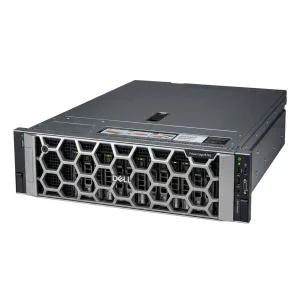
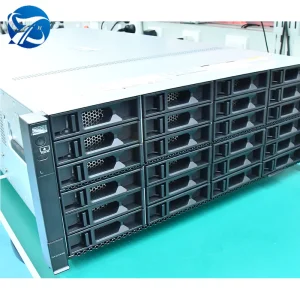
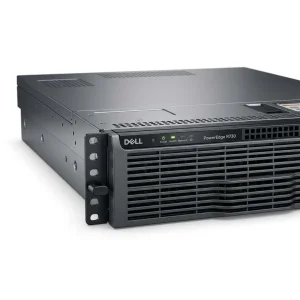
Explore our hot-selling rackmount servers, hardware components, and storage systems engineered for continuous operations.
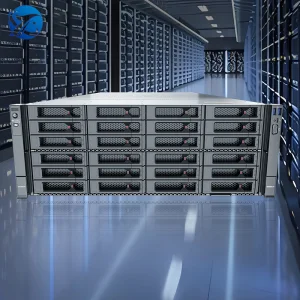
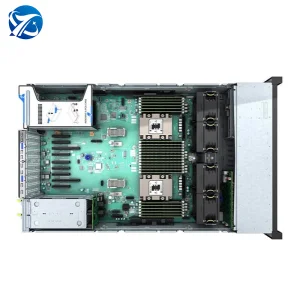
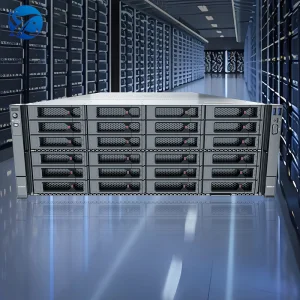
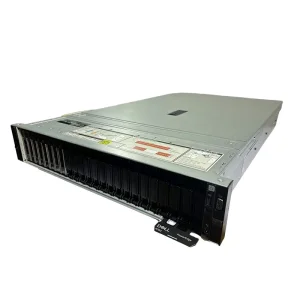
A Storage Area Network (SAN) forms the bedrock of modern enterprise computing environments. Over the past decade, the industry has migrated from standard copper-based architectures to high-frequency Fiber Channel (FC) networks and IP-SAN systems leveraging NVMe over Fabrics (NVMe-oF). In today's digital landscape, characterized by the emergence of distributed LLM networks like DeepSeek, data transfer speeds, block-level integrity, and sub-millisecond latencies are no longer options—they are baseline infrastructure demands.
"With data volumes growing exponentially, standard NAS structures fall short in handling parallel block-level executions required by GPU nodes. Modern SAN platforms establish dedicated, high-speed fabrics that decouple storage capacity from host CPU limitations, achieving unparalleled performance."
Unlike standard file-level storage systems, block-level protocols within a SAN slice volumes into isolated chunks that behave like localized physical drives. For compute clusters powering multi-GPU servers (such as the xFusion G5500 V7 or PowerEdge R760 platforms), block storage reduces operating system overhead, minimizes context switching, and supports massive multi-thread reads/writes. This level of responsiveness is vital for training neural networks, hosting real-time transactional databases (SQL Hosting), and maintaining highly available cloud hypervisors.
Eliminating transport overhead by mapping NVMe command protocols directly over InfiniBand, RoCE (RDMA over Converged Ethernet), or Fibre Channel switches for single-digit microsecond latencies.
Utilizing robust RAID controllers (like the SAS3908-based XC470C-M-8i) equipped with physical DRAM write cache and battery-backed flash protection to shield cache contents during power failure.
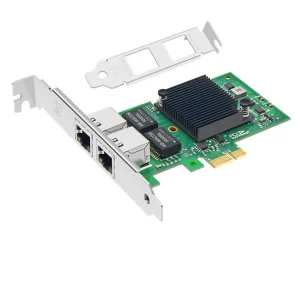
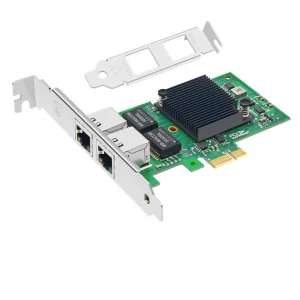
Distributing data payloads across redundant network switches and physical Host Bus Adapters (HBAs) to prevent individual failure points and continuously balance workloads.
Established in 2016 in the technological core of Shenzhen, China, Veltron Computing Technology Co., Ltd. is a dedicated manufacturer and global supplier specializing in GPU servers, high-density AI nodes, and enterprise-grade Storage Area Network solutions. Driven by 14 years of industry-deep expertise and 8 years of international trade experience, we construct robust computing infrastructures serving demanding environments in North America, Europe, South America, the Middle East, and Southeast Asia.
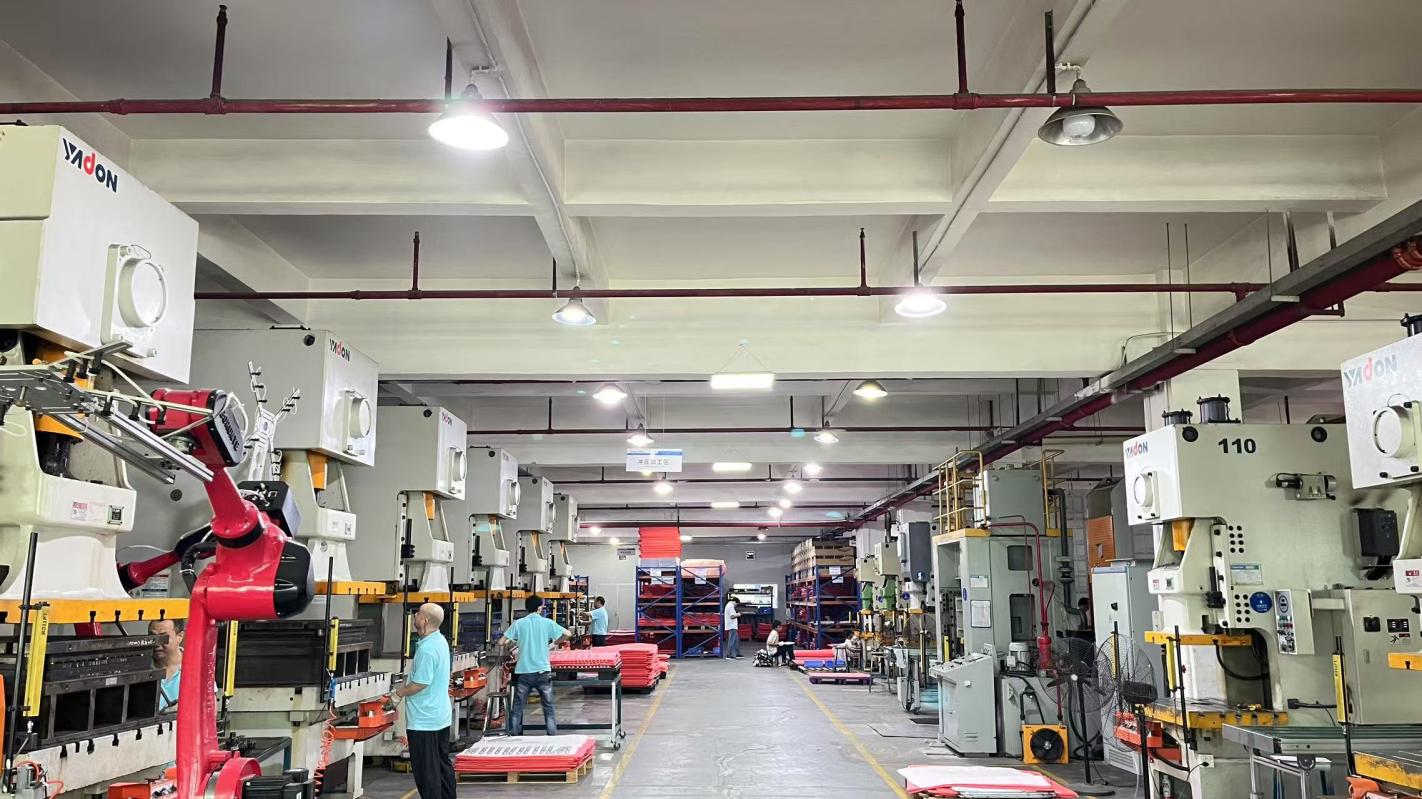
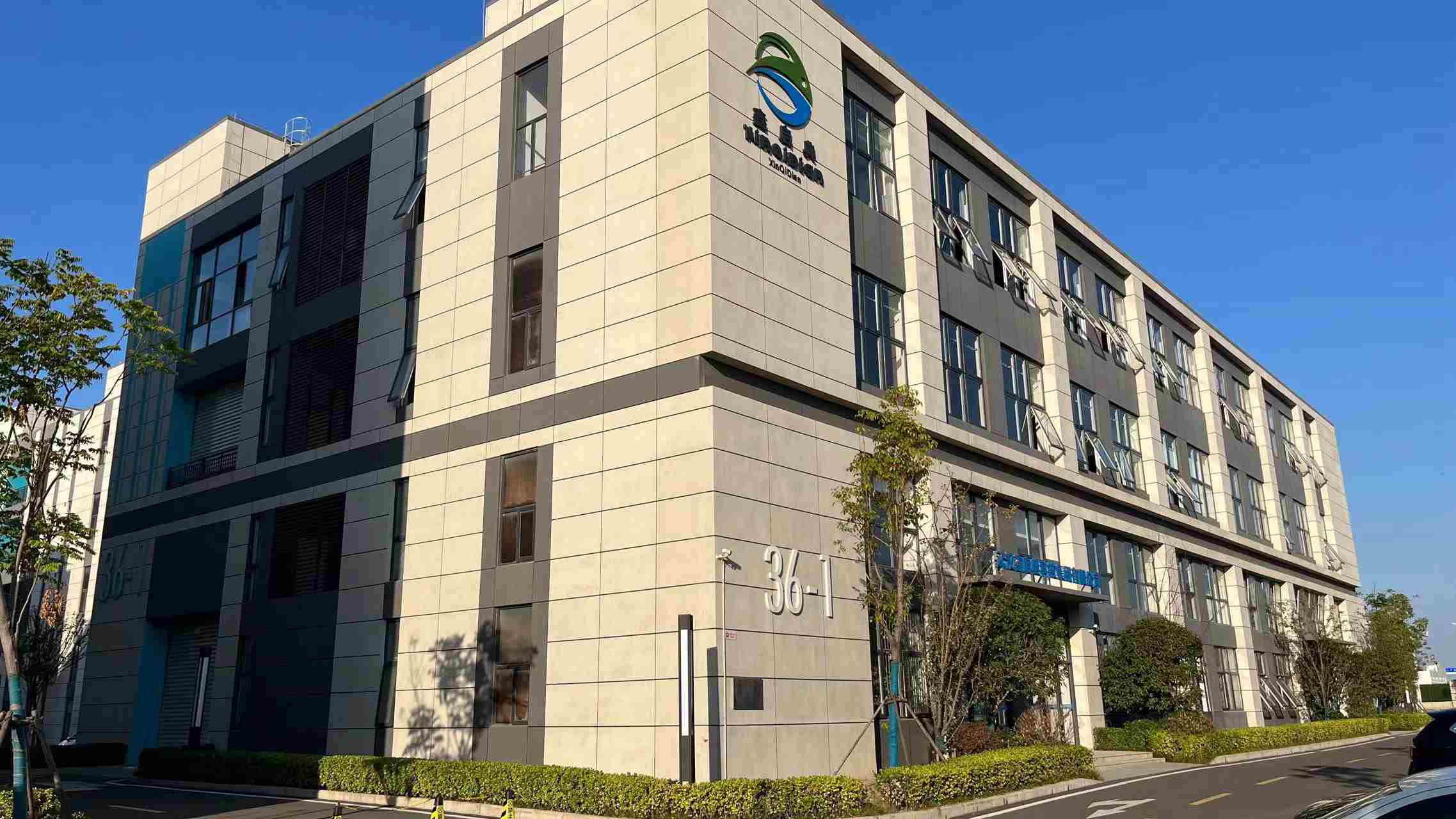
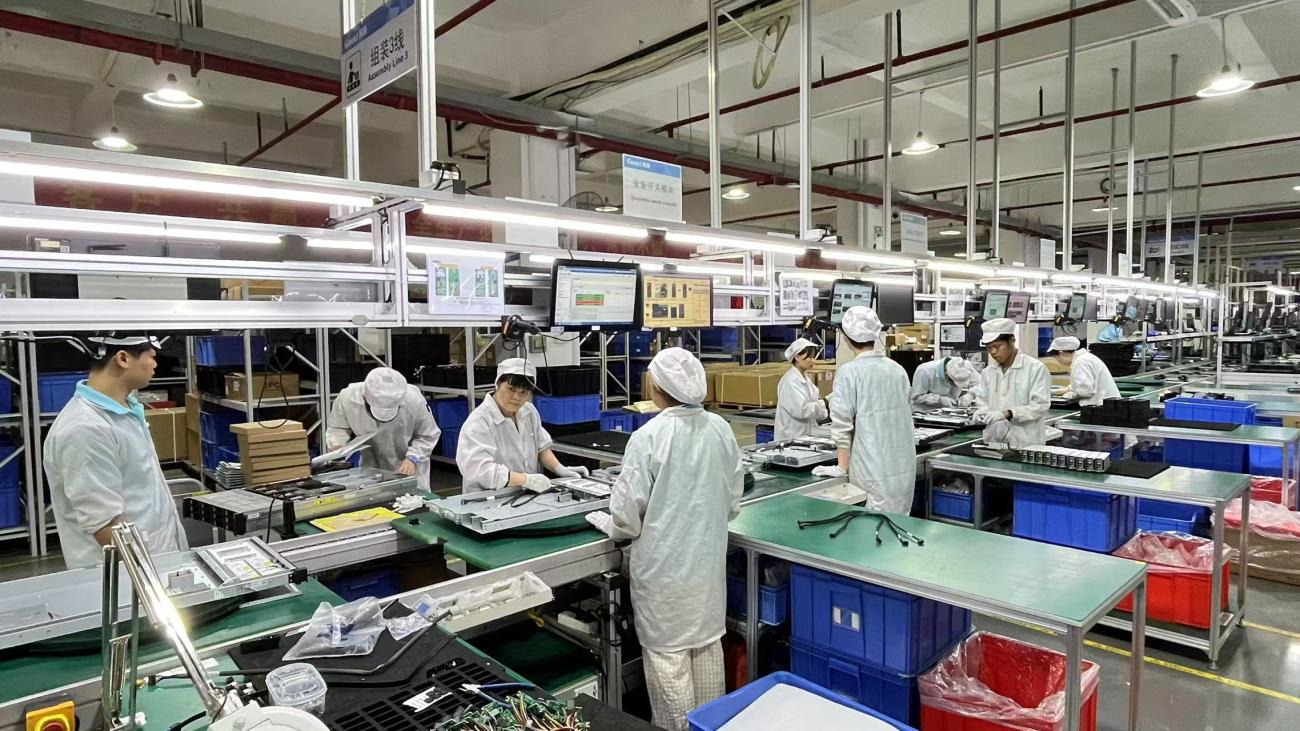
Our modern manufacturing facility covers 3,800+ square meters, utilizing cutting-edge assembly pipelines, controlled environment burn-in centers, and state-of-the-art testing labs. We work continuously to design, configure, validate, and scale hardware networks that address the global processing and storage gap.
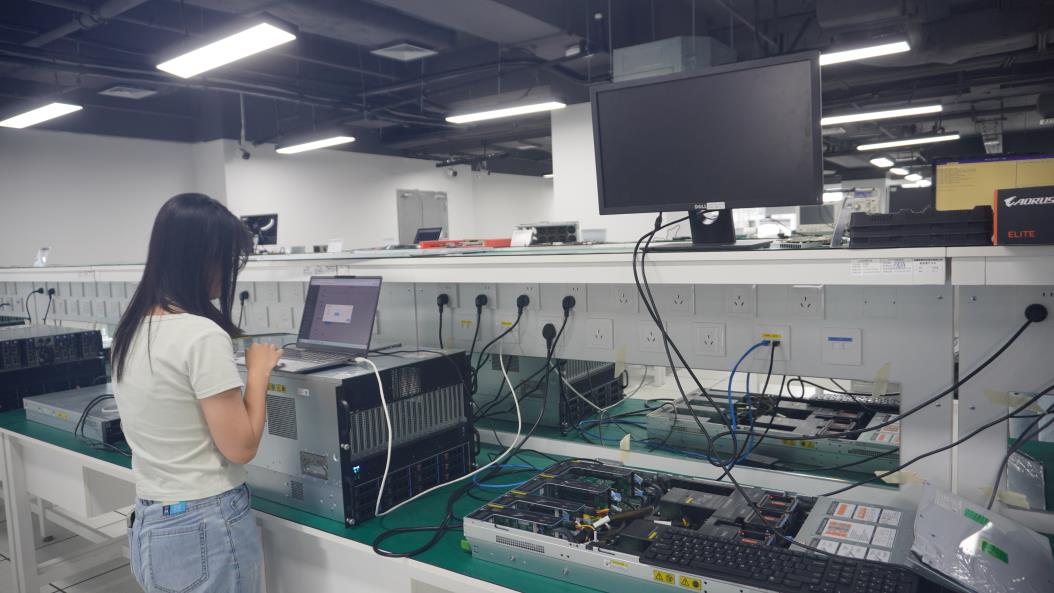
Quality control is integrated into every phase of Veltron's production. Our team of 56 quality inspection technicians executes a comprehensive inspection process covering raw materials, sub-assembly component testing, structural chassis load verification, and extreme temperature operations. All servers and storage arrays run through automated test suites designed to push memory arrays, CPU loads, and RAID cache modules to their limits, ensuring out-of-the-box reliability. Our supply chain is reinforced by over 1,200 verified partner relationships, assuring stable component sourcing and production capacity.
Modern system architects face unique challenges that require dedicated hardware topologies. Veltron develops multi-tier architectures optimized for processing throughput, structural scaling, and long-term capital efficiency.
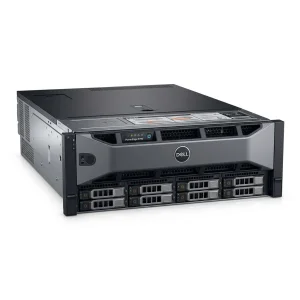
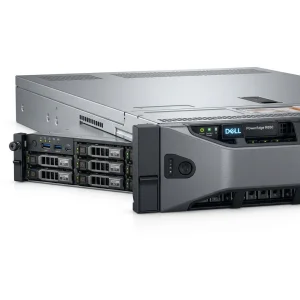
Database performance relies heavily on transactional latency. By utilizing rack platforms like the Dell PowerEdge R740 paired with high-cache RAID array cards (such as the 9540-8i PCIe 4.0 storage controller), enterprise operations can manage higher IOPS, prevent database locks, and support thousands of virtual machine sessions concurrently.
DeepSeek R1 and similar LLMs run training cycles over massive distributed dataset points. We configure high-throughput GPU servers like the xFusion G8600 V7 or G5500 V7 with redundant network interface controllers (NICs) supporting RoCEv2. This design allows GPU clusters to communicate directly with flash SAN nodes without relying on host CPU cycles.
For organizations seeking the file-sharing flexibilities of NAS along with the speed of a block-level SAN, Veltron designs converged setups. Using systems like the 1288H V6, we enable multi-socket systems to orchestrate cloud workloads, container storage interfaces (CSI), and virtualized storage pools across a shared networking backplane.
Purchasing enterprise data center hardware internationally requires thorough supply chain visibility, rigorous compliance documentation, and flexible customization support. At Veltron, we address these procurement requirements through a systematic approach, ensuring hassle-free logistics and high-performing equipment setups.
Our dedicated R&D center comprises 168 experienced server engineers who specialize in custom hardware and firmware design. Through our comprehensive OEM and ODM services, we tailor hardware configurations, optimize custom firmware, and adapt physical chassis designs to match the exact thermal and layout criteria of your data center.
OEM/ODM Capabilities: Custom chassis structure designs, tailored PCB/Backplane configurations, branding & labeling, custom BIOS/UEFI firmware, application-specific pre-loads, and thermal optimization suites.
We supply hardware configurations conforming to international standards, including CE, FCC, RoHS, and UL requirements. Our logistics department coordinates shipping routes to global regions—including North America, Europe, South America, and Central Asia—while managing localized customs requirements and providing comprehensive integration documentation to ensure smooth onsite implementation.
As PCIe Gen 5 and Gen 6 technologies gain traction, the architectural divide between processing nodes and storage pools continues to close. The future of SAN is defined by software-defined protocols and memory-centric interconnects. Here is where Veltron's hardware roadmap is focused:
CXL establishes direct memory pooling over physical PCIe slots. In upcoming product updates, Veltron plans to utilize CXL protocols to allow storage arrays to directly share volatile memory buffers with host processors, minimizing latency overhead.
Incorporating intelligent monitoring algorithms directly into storage backplanes and RAID controllers to analyze performance metrics and flag physical drive failures before they compromise data availability.
Find answers to typical architectural, shipping, and configuration queries below.
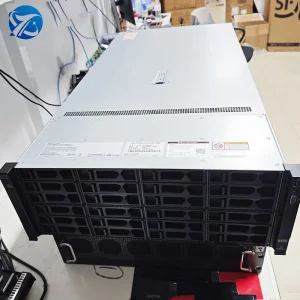
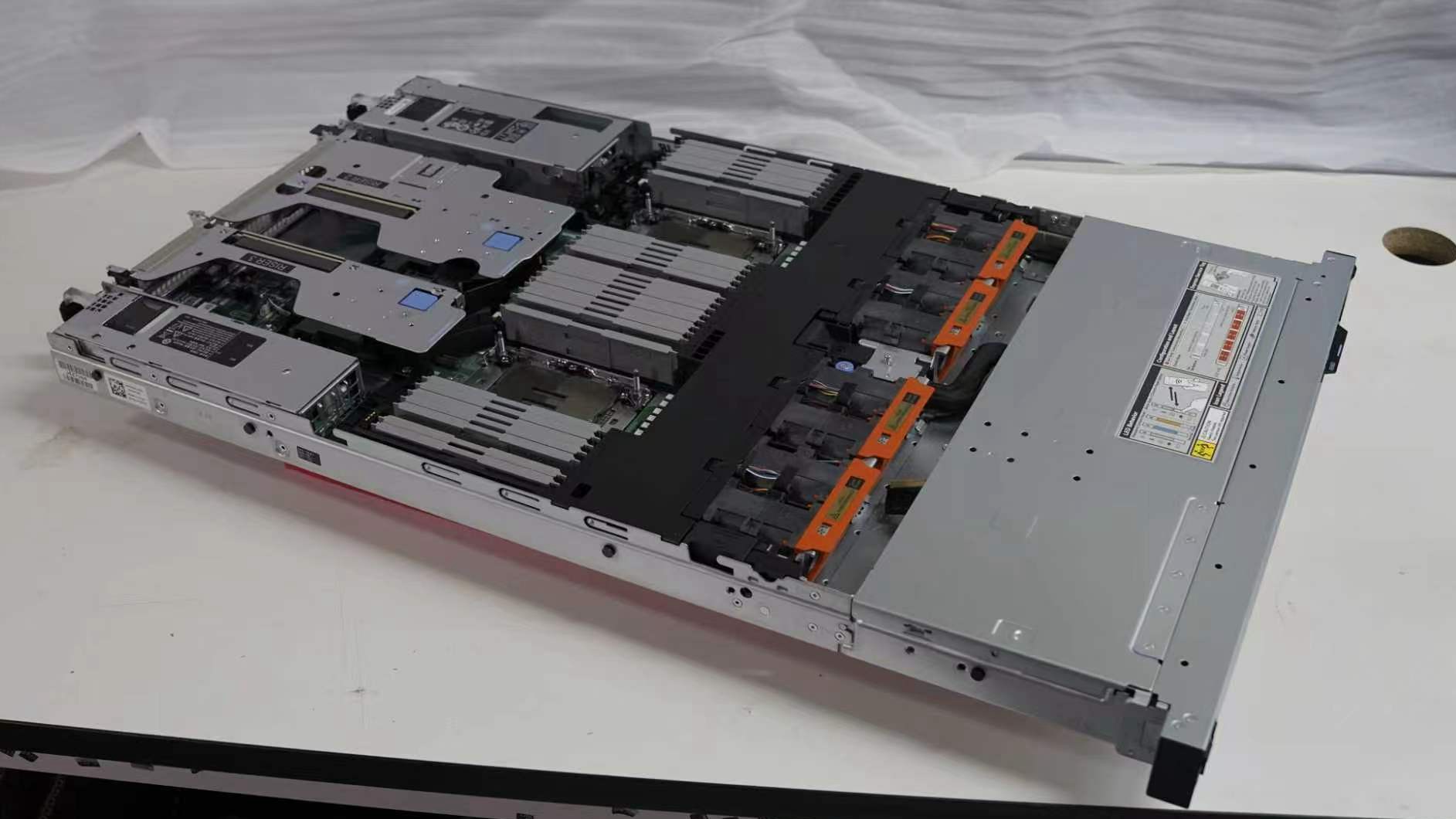
Take a look inside our manufacturing lines, assembly stations, and testing environments in Shenzhen, China.

Review additional options, including high-capacity SAS controllers, dual-socket server platforms, and high-density GPU racks.