Veltron
Veltron
Veltron
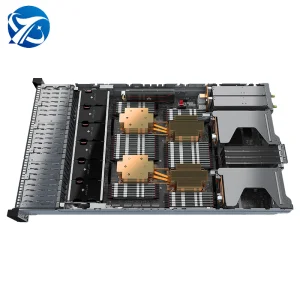
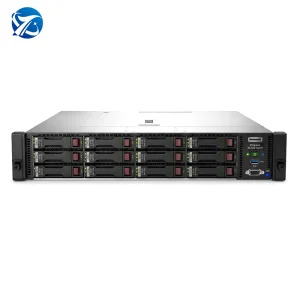
Explore our flagship GPU and AI rack-optimized systems built for dense workloads demanding precise thermal engineering.
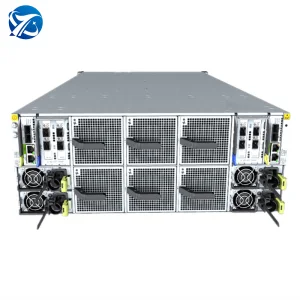
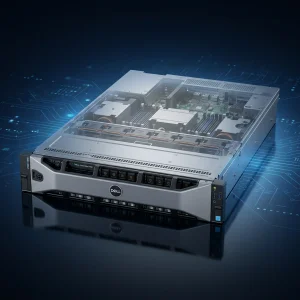
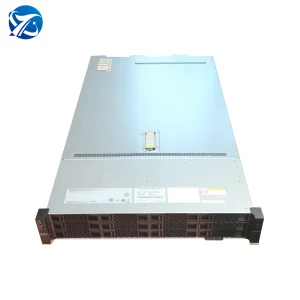
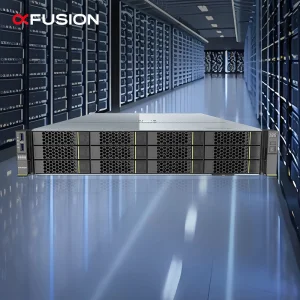
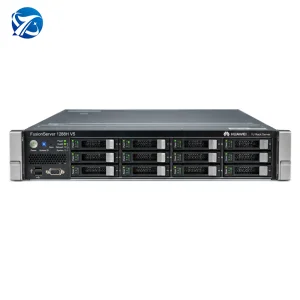
The exponential rise of AI training, high-performance computing, and hyperscale virtualization has pushed conventional air cooling system designs beyond their physical limits.
For decades, air cooling has been the dominant mechanism for maintaining thermal equilibrium in enterprise datacenters. Modern configurations rely on massive chassis fans, complex ducting, and advanced copper heat-pipe assemblies to conduct thermal energy away from silicon surfaces. However, as GPU power draw scales past 700 watts and multi-socket CPU thermal design power (TDP) architectures breach the 350-to-500-watt threshold, convective air systems struggle to control junctions without consuming excessive parasitic fan energy.
At these elevated heat densities, air cooling manifests high Power Usage Effectiveness (PUE) ratios, loud operational decibel ranges, and elevated silicon degradation rates. Moving to direct-to-chip liquid cooling or immersion cooling designs solves these limits by exploiting the thermal properties of specialized liquids, which feature thermal conductivities magnitudes higher than air.
| Cooling Methodology | Target Thermal Density (per Rack) | Expected PUE | Corrosion & Leak Risks | Relative Capital Cost (CAPEX) |
|---|---|---|---|---|
| Advanced Air Cooling | Up to 15 kW - 25 kW | 1.35 - 1.60 | Negligible | Low Baseline |
| Direct-to-Chip (D2C) Liquid | 30 kW - 100 kW+ | 1.12 - 1.25 | Low (Managed via CDUs) | Moderate - Custom Loop |
| Single-Phase Immersion | 100 kW - 200 kW+ | 1.03 - 1.10 | None (Dielectric Fluid) | High Infrastructure |
Implementing high-performance server thermal architectures is no longer simply about keeping chips running; it is a critical strategy for managing total operational expense (OPEX), meeting local green datacenter laws, and preventing thermal throttling in high-demand deep learning models.
Custom tailored thermal engineering architectures developed to maximize operational lifespans and lower baseline PUE across varying enterprise platforms.
Designed for cloud infrastructure and mission-critical ERP nodes. Features direct-contact cold plates, smart manifold routing, and high-performance coolant distribution units (CDUs) configured to achieve PUE ratings below 1.15.
Tailored specifically for dense multi-socket GPU servers. Utilizes high-flow cold plates combined with secondary backup airflow solutions to prevent regional hotspots and manage transient temperature spikes during AI training loops.
Closed-loop hybrid systems optimized for remote network clusters, telco deployments, and heavy industrial automation hubs where air quality, particulates, and ambient operating temperatures fluctuate widely.
A global leader in server manufacturing, system integration, and advanced thermal solutions based out of Shenzhen, China.
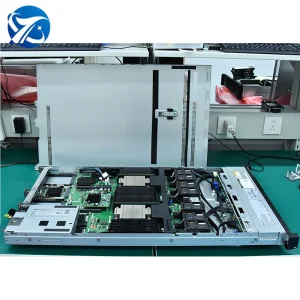
Established in 2016, Veltron Computing Technology Co., Ltd. is a dedicated manufacturer and global supplier of GPU servers, AI computing systems, and advanced high-performance server thermal components. Located in Shenzhen, China, our advanced facility covers over 3,800 square meters and features modern assembly setups, system burn-in chambers, and reliable thermal testing labs.
With an annual export revenue exceeding USD 18 million, we serve tier-one integrators and clients throughout North America, Europe, Southeast Asia, the Middle East, and South America. We draw on 8 years of export operations and 14 years of design experience to ensure stable, reliable hardware deployment globally.
Innovation is central to our process. Our R&D center is staffed by 168 experienced engineers specializing in GPU node integration, server architecture, high-efficiency thermal management, and tailored chassis styling. Every year, Veltron designs and rolls out more than 85 new products and system designs, positioning us as an agile partner for complex OEM/ODM projects.
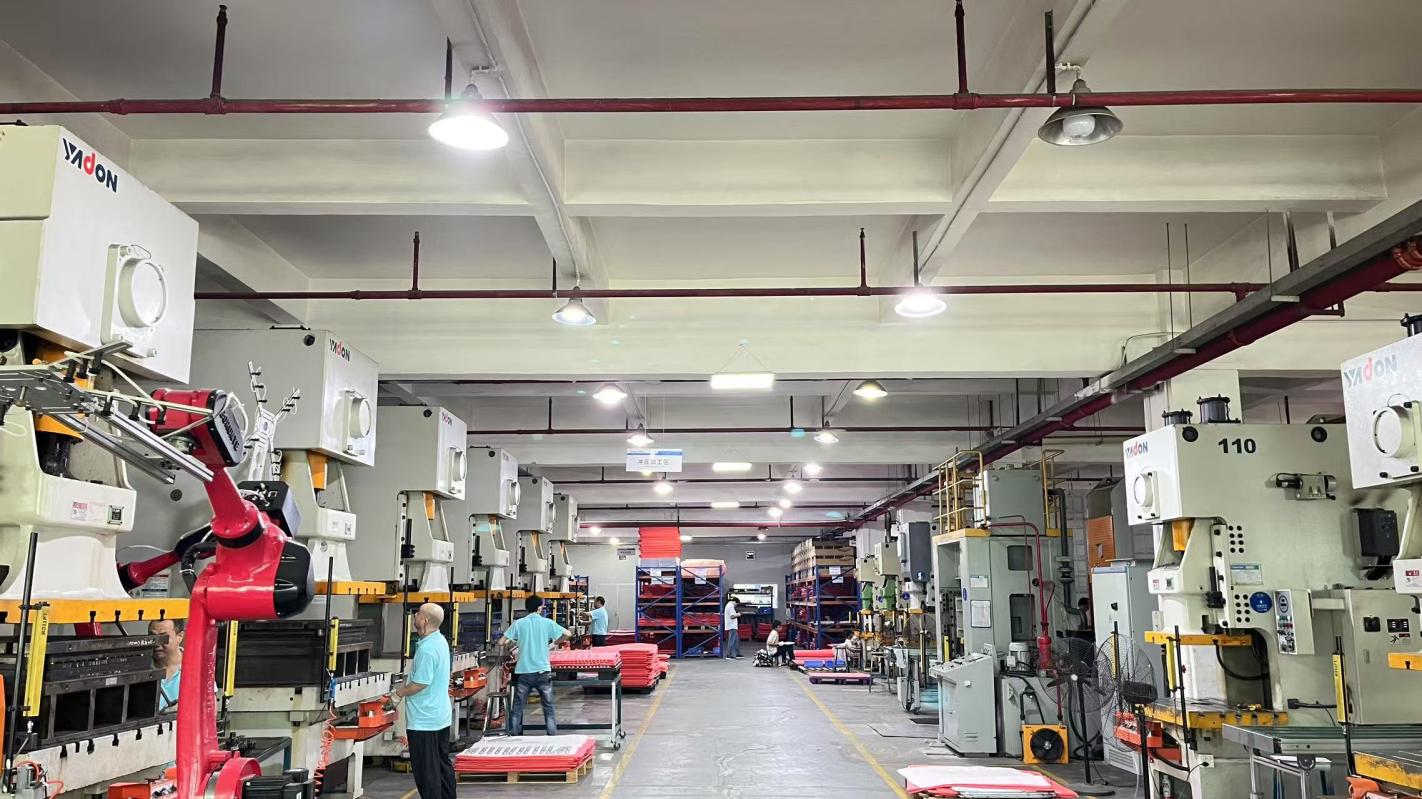
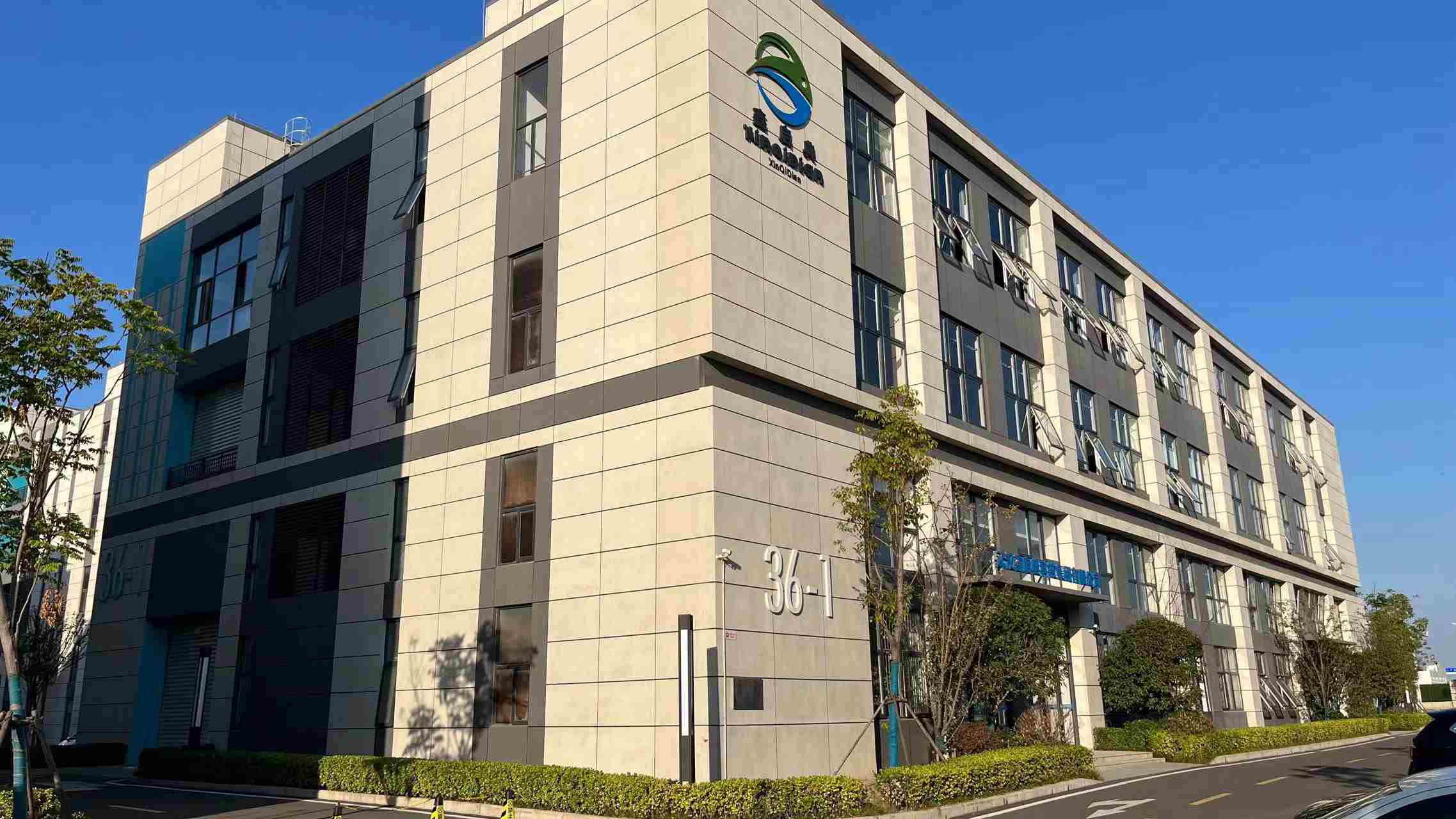
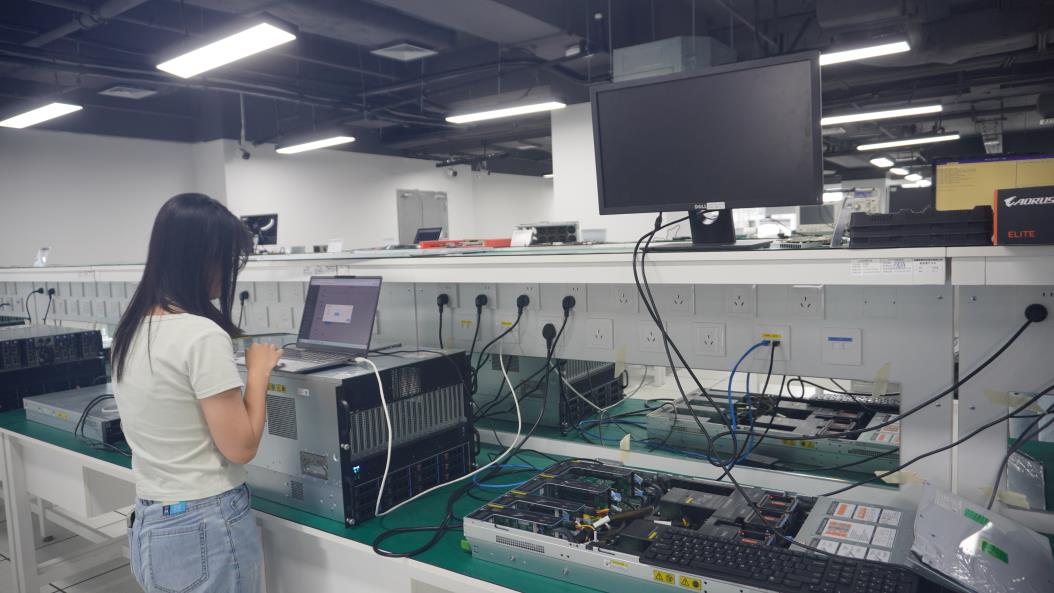
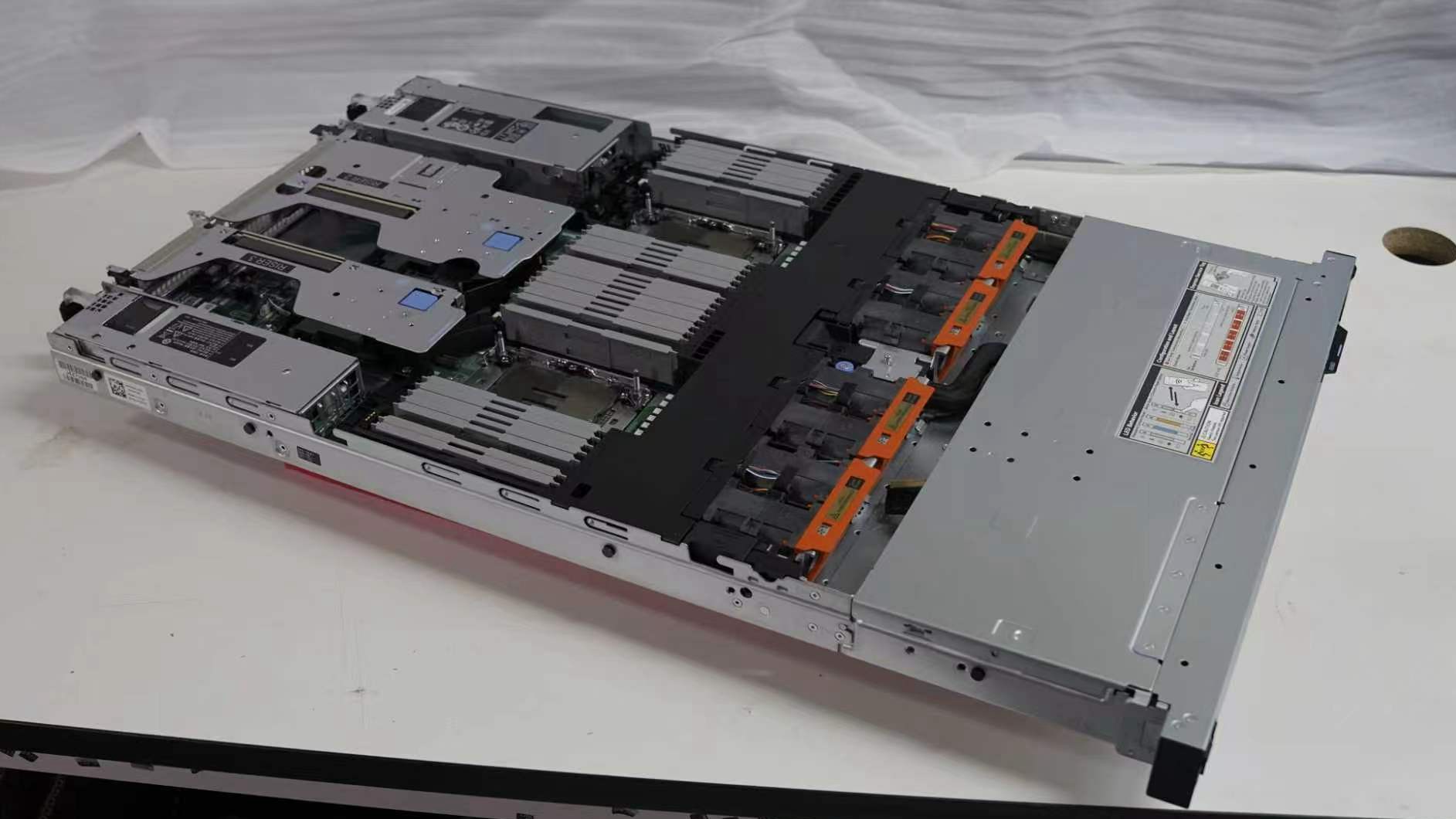
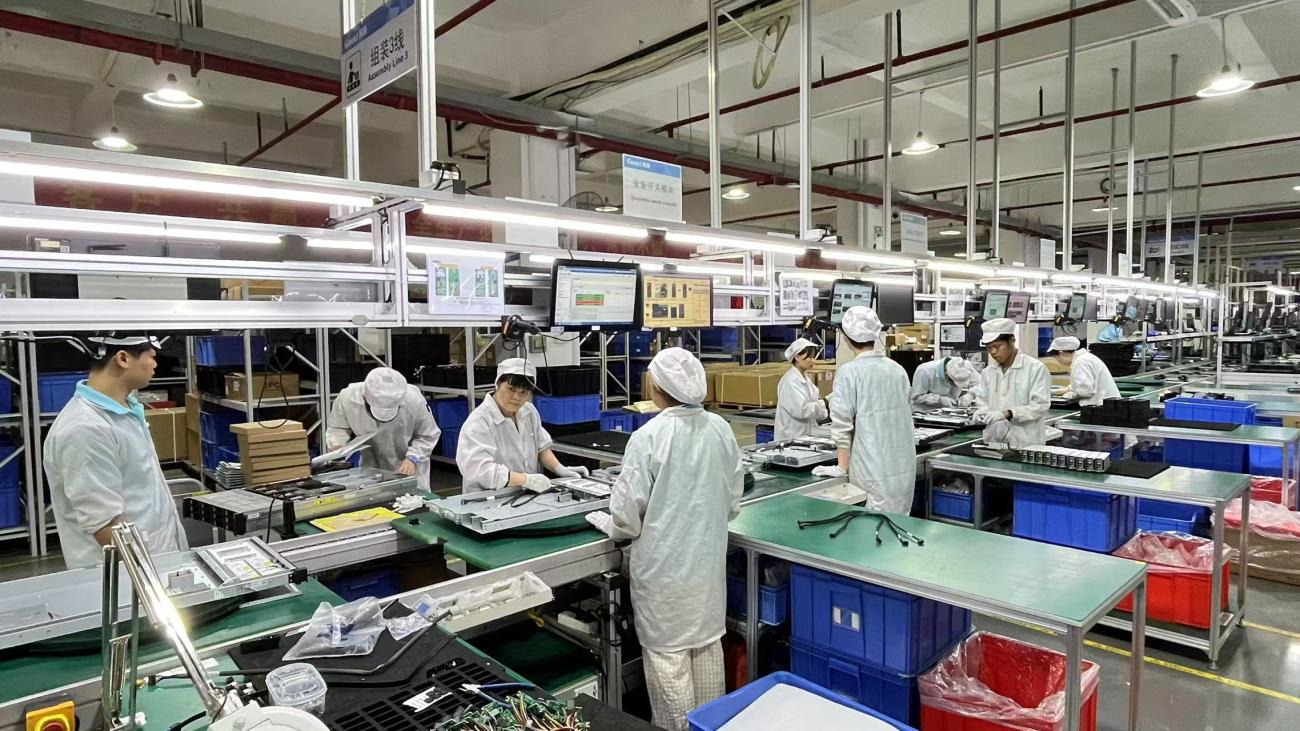

How Veltron leverages regional industrial density to optimize lead times, manage manufacturing costs, and maintain strict quality standards.
Our presence in Shenzhen places us at the center of the world's most dense electronics manufacturing cluster. Veltron maintains strategic partnerships with more than 1,200 verified supply chain partners. This direct integration lets us source raw materials, custom cold-plate extrusions, quick-disconnect couplings, flexible piping, and dedicated fans with short turnaround times. This keeps our lead times tight and pricing highly competitive, even during sudden market shifts.
To ensure high operational reliability, Veltron employs 56 dedicated quality control personnel who oversee every step of production. Every server and thermal solution goes through structured testing protocols, including:
Navigating systemic engineering challenges and B2B requirements during international infrastructure rollouts.
For procurement officers, initial hardware acquisition costs (CAPEX) must be weighed against long-term operating costs (OPEX). Selecting premium cooling solutions like direct-to-chip liquid loops can require a higher initial investment compared to standard fans. However, the subsequent reduction in fan energy draw, combined with lowering PUE to less than 1.2, typically yields a full return on investment (ROI) within 18 to 24 months of deployment.
No two datacenters share identical mechanical layouts. That is why Veltron offers extensive custom design options, including custom-length manifolds, specific fluid quick-disconnect styles, customized pump brackets, and customized control software. These options allow for seamless integration with existing facilities without requiring expensive reconstruction or structural work.
An engineering forecast showing the evolution of high-performance server thermal design over the next five years.
As standard chip TDP scales past 1,000 watts, single-phase liquid loops will eventually reach their thermal limits. The industry is moving toward phase-change (two-phase) immersion systems where low-boiling-point dielectric fluids evaporate and condense in a closed loop. This process provides highly efficient heat transfer, eliminating the need for complex internal pumps and custom liquid blocks.
Future thermal systems will increasingly integrate telemetry sensors linked to AI management utilities. By tracking CPU/GPU workloads in real time, the control software can adjust pump rates, radiator fan speeds, and flow path valves dynamically. This keeps cooling performance aligned with immediate processing needs, avoiding unnecessary energy use.
Aligning global shipping logistics, regional certifications, and technical support frameworks to support international rollouts.
All Veltron systems and cooling components are designed to meet strict international standards, including CE, FCC, RoHS, and ISO9001 certifications. This ensures quick customs clearance and compliance with local safety and environmental codes in key markets across North America, Europe, and Asia.
We work with leading logistics networks to provide door-to-port and door-to-door shipping solutions. To minimize downtime, Veltron provides fast replacement parts support along with virtual installation and maintenance guidance for local datacenter staff.
Answers to common questions regarding system design, deployment, and OEM capabilities.
Complete your deployment with certified enterprise hardware, high-density storage drives, and high-quality power components.