Veltron
Veltron
Veltron
High-performance processing platforms integrated with core security software, cryptoprocessors, and fault-tolerant RAID storage engines.
In an era defined by hyper-distributed workforces, hybrid multi-cloud systems, and intensive artificial intelligence applications, security can no longer exist as a mere software overlay. The boundaries of traditional security models have eroded. Modern security platforms require a comprehensive co-design where hardware root-of-trust architectures, secure cryptoprocessors (such as TPM 2.0 and TCM modules), and system-level firmware operate as the ultimate anchor for host OS security software. Veltron Computing Technology Co., Ltd. stands at the forefront of this convergence, acting as a leading developer and exporter of server systems that merge high-capacity compute capability with hardened firmware and software integration platforms.
For modern cybersecurity software—whether it be endpoint detection and response (EDR), zero-trust network access (ZTNA) clients, or database encryption suites—to perform without degradation, it must execute within a highly secure virtualized or physical runtime environment. Hardware-enforced virtualization security features, such as Intel Software Guard Extensions (SGX) and AMD Secure Encrypted Virtualization (SEV-SNP), provide isolated memory enclaves. These enclaves guarantee that even if a host OS or hypervisor is compromised, the high-value security software and cryptographic keys processing inside the enclave remain impenetrable. Our server configurations, designed for deep learning, virtualization, and advanced enterprise workloads, are engineered specifically to host these demanding cryptographic environments.
Our systems implement secure cryptoprocessors verifying the boot chain from the first line of code. Secure Boot ensures that only cryptographically signed, authenticated software modules can run during initialization.
Leveraging state-of-the-art Intel Xeon and AMD EPYC architectures to partition critical security software routines into shielded hardware domains, preventing unauthorized host access.
Integrating PCIe Gen 4/5 hardware RAID controllers that manage disk-level AES-256 software-defined cryptographic keys automatically, ensuring total defense against physical theft.
To establish true data confidentiality, storage controllers must work hand-in-hand with enterprise management tools. Hardware arrays like the LSI 9560-8i and the proprietary XP270-M2 SAS3808 system utilize embedded firmware to run real-time checksum algorithms and cryptographic processes. When deployed alongside operating systems such as Windows Server 2025 or specialized Linux distributions, they allow security administrators to govern storage volumes directly through policy-driven software consoles, eliminating performance overhead and reducing the risk of unauthorized physical access to critical data reservoirs.
Operating IT structures across international borders requires a granular understanding of differing regulatory compliance laws. Enterprises are subjected to a complex web of frameworks including the European Union's General Data Protection Regulation (GDPR), the Health Insurance Portability and Accountability Act (HIPAA) in the United States, and China's Multi-Level Protection Scheme (MLPS 2.0). Compliance cannot be achieved via standalone software; it requires hardware platforms that natively support access auditing, policy enforcement, and crypto-key management.
As a global manufacturer and exporter, Veltron Computing supports international clients by tailoring BIOS/UEFI settings and security integrations to match specific national regulatory needs:
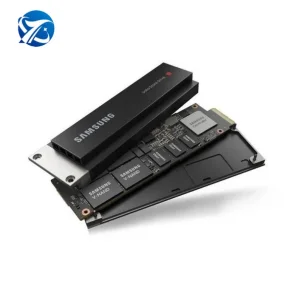
We deploy high-density SSD arrays (utilizing Samsung Enterprise PM893/PM9A3 series) paired with advanced software-defined storage (SDS) protocols. This architecture enables hardware-accelerated encryption at rest with automated rotation of master keys, satisfying stringent healthcare and personal data retention regulations.
For operations in different jurisdictions, we configure systems with either Trusted Platform Modules (TPM 2.0) matching international standards or Trusted Cryptographic Modules (TCM) loaded with localized SM2/SM3/SM4 cryptographic algorithms to satisfy sovereign data security standards.
Our servers feature out-of-band IPMI 2.0 management sub-processors. These subsystems compile detailed log registries, reporting anomalies, thermal spikes, or unauthorized physical chassis intrusions straight to centralized Security Information and Event Management (SIEM) software.
Providing localization means more than just software compatibility. Veltron’s active engineer network assists regional system integrators in customizing firmware scripts. This enables customized management protocols (Redfish API, SNMP) to securely link the server hardware with existing proprietary enterprise orchestration tools, ensuring clean compatibility across diverse IT ecosystems.
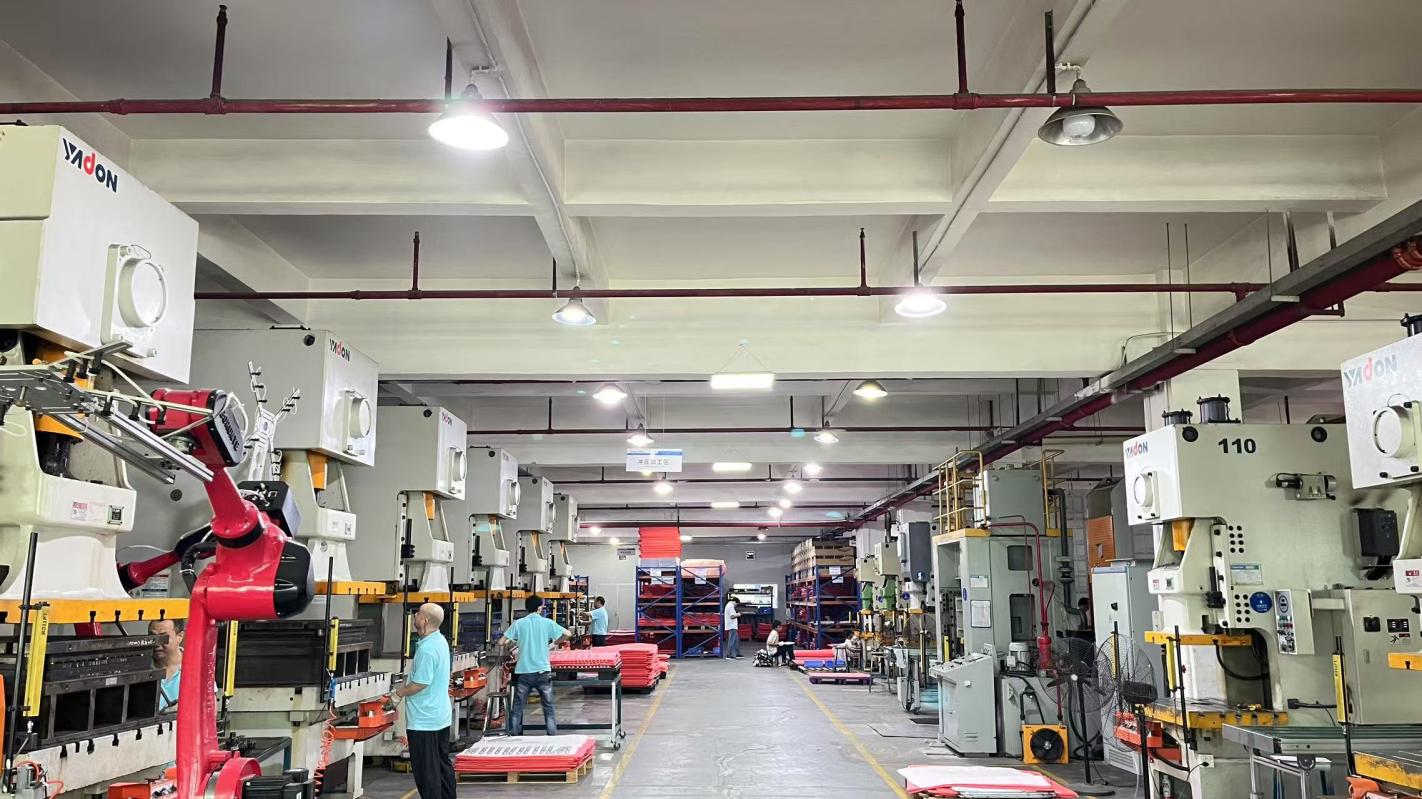
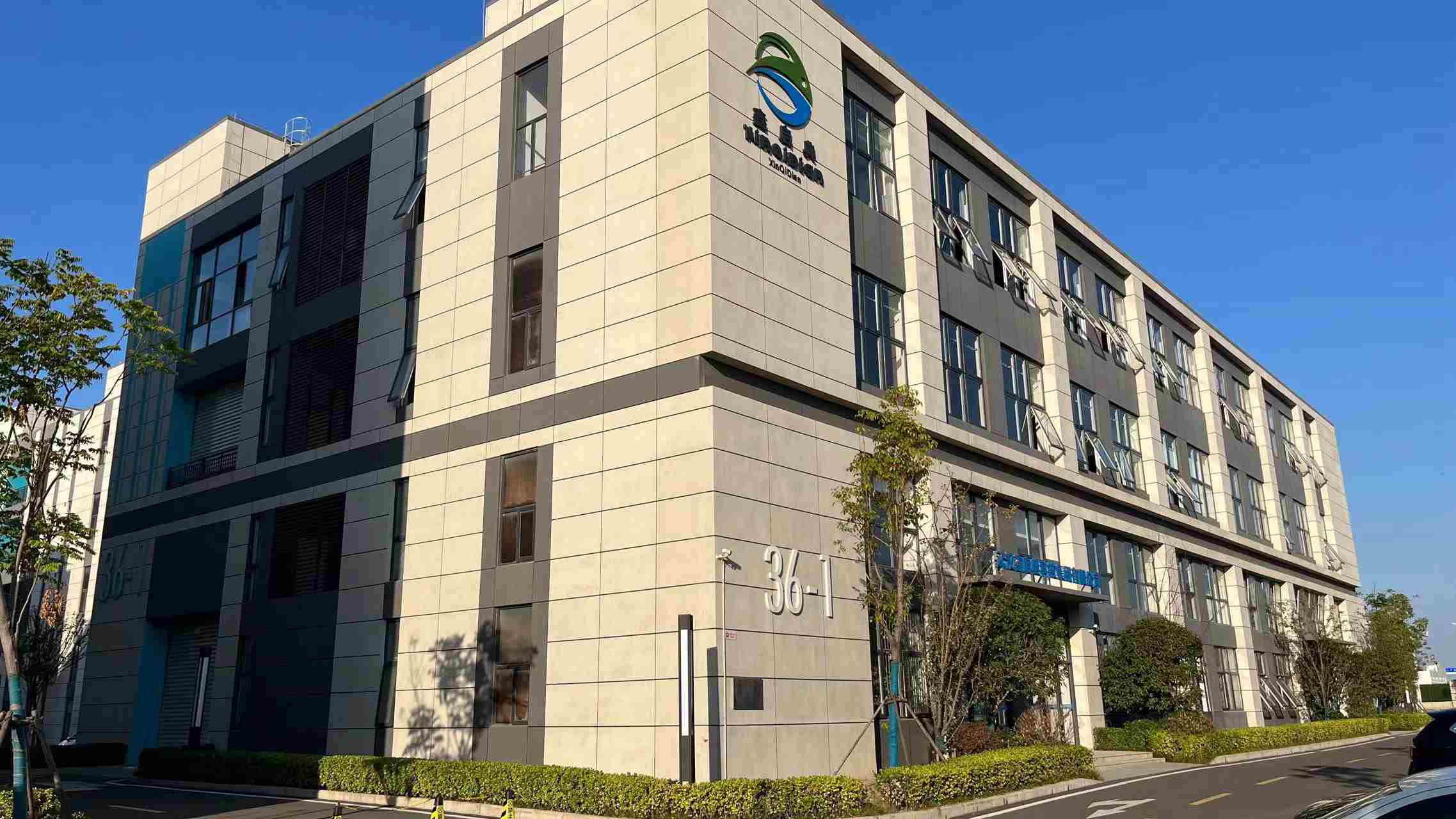
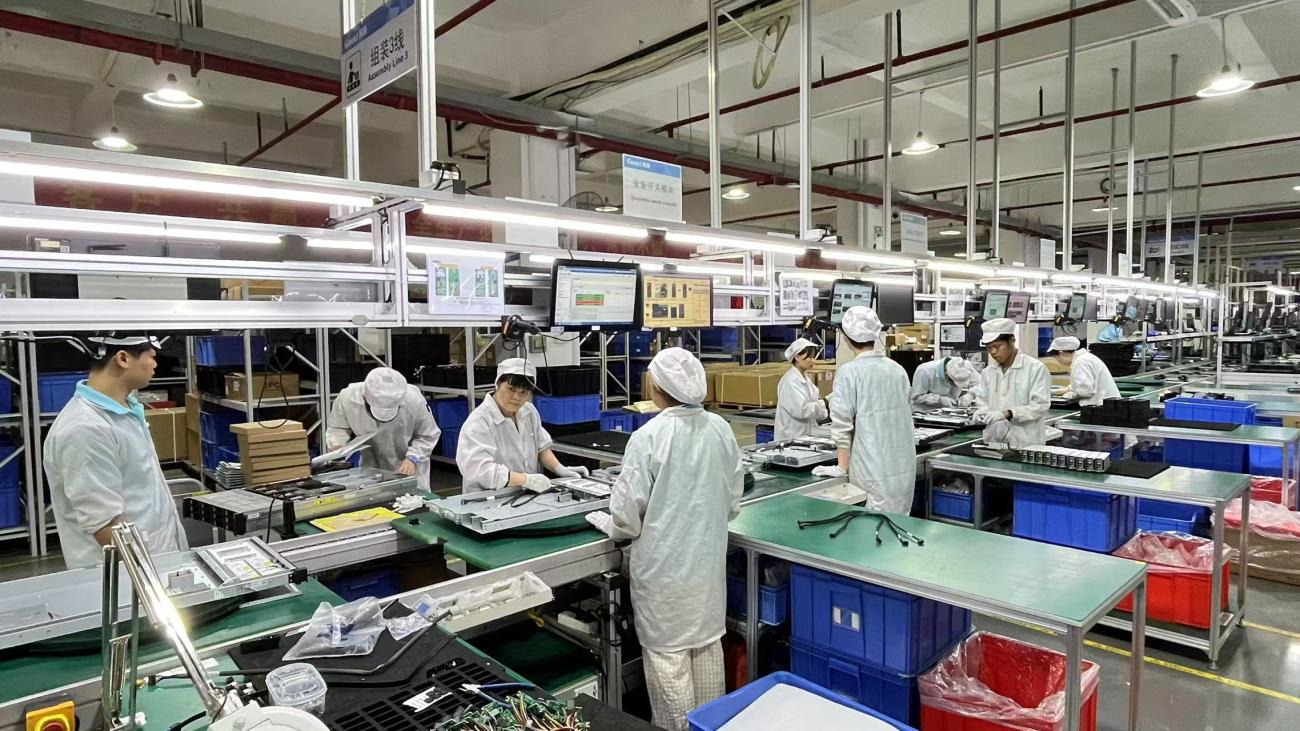
Shenzhen, China is widely recognized as the global capital for electronics and hardware innovation. Veltron Computing utilizes this unparalleled ecosystem to deliver exceptional manufacturing speed, reliable component sourcing, and thorough quality inspection. Operating a modern facility spanning over 3,800 square meters, Veltron manages the entire hardware lifecycle—from initial architectural layout to structural chassis design, thermal modeling, complex SMT assembly, and deep validation testing.
The speed of high-performance computing requires a reliable ecosystem of supply chain partners. With relationships across more than 1,200 verified industry suppliers, Veltron retains direct, priority access to essential components, including high-capacity enterprise SSDs, SAS controllers, multi-layer PCBs, and advanced cooling units. This enables us to mitigate global component shortages and provide stable production leads even for custom configurations.
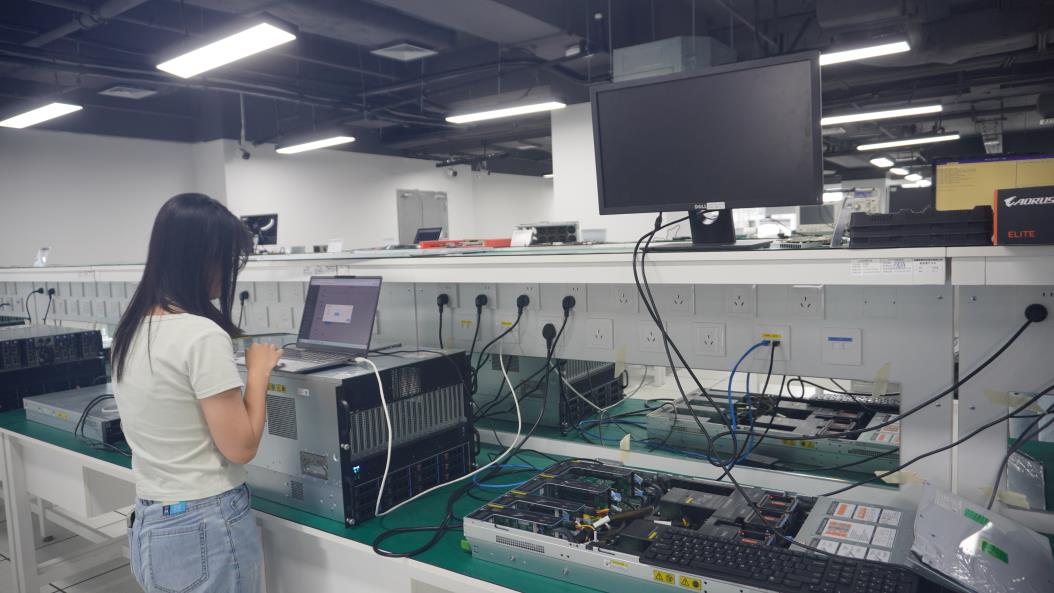
Our quality assurance pipeline represents the core of our brand. Managed by 56 dedicated quality inspectors, every server node undergoes comprehensive validation before shipment. This protocol includes 72-hour full-load thermal chamber burn-in, signal-integrity analysis on high-speed PCIe lanes, power-cycle stress testing, and hardware-level cryptographic key verification. By validating hardware integrity at the physical layer, we minimize runtime issues, providing peace of mind to enterprise users who deploy our systems for business-critical operations.
The rise of Large Language Models (LLMs) and Deep Learning neural networks has changed enterprise security requirements. Training a proprietary model involves processing massive, highly confidential datasets, including IP, medical records, or proprietary financial scripts. Protecting this intellectual property during training requires specialized confidential GPU computing configurations. In these setups, data is decrypted only within protected GPU memory enclaves, preventing unauthorized host access.
To align with these advancements, modern security architectures are migrating toward software-defined models that operate on a zero-trust basis. Within a secure data center, no component—whether a virtual machine, network interface card, or storage disk—is trusted by default. Every system must continuously verify its cryptographic identity. Our high-performance systems support these emerging frameworks:
As virtual machines dynamically migrate across massive data centers, protecting data remnants in memory is vital. Modern processors support real-time memory encryption, ensuring that VM data remains protected even against physical memory-probing attacks. Enterprise SSD controller firmware works alongside this architecture by executing fast cryptographic erasure protocols, rendering old blocks unreadable in milliseconds.
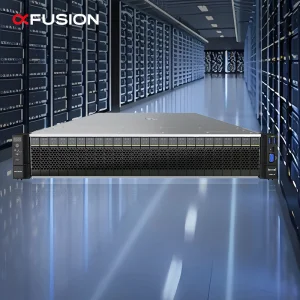
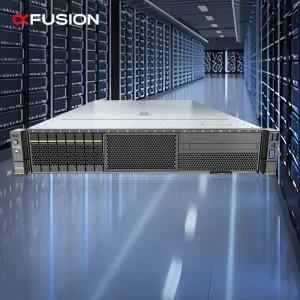
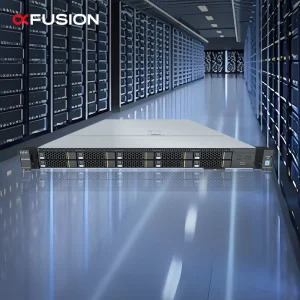
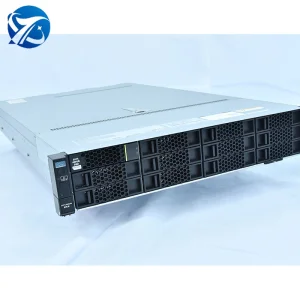
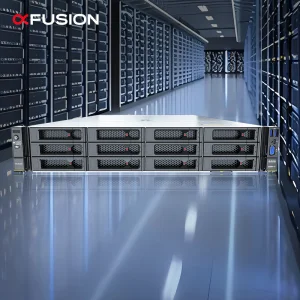
Hyperconverged systems, such as xFusion 2288H and FusionServer 5288 systems, combine compute, networking, and storage into unified hardware nodes. Managing security across these environments requires a software-defined security layer. This system monitors communications between virtual machines and isolates compromised workloads automatically, helping to prevent lateral movement of threats.
Defending against ransomware requires secure, immutable backup solutions. By pairing hardware SAS/SATA controllers with write-once-read-many (WORM) storage software, data archives can be configured as read-only for set periods. This ensures that even if an attacker gains administrator credentials, existing backup archives cannot be modified or encrypted.
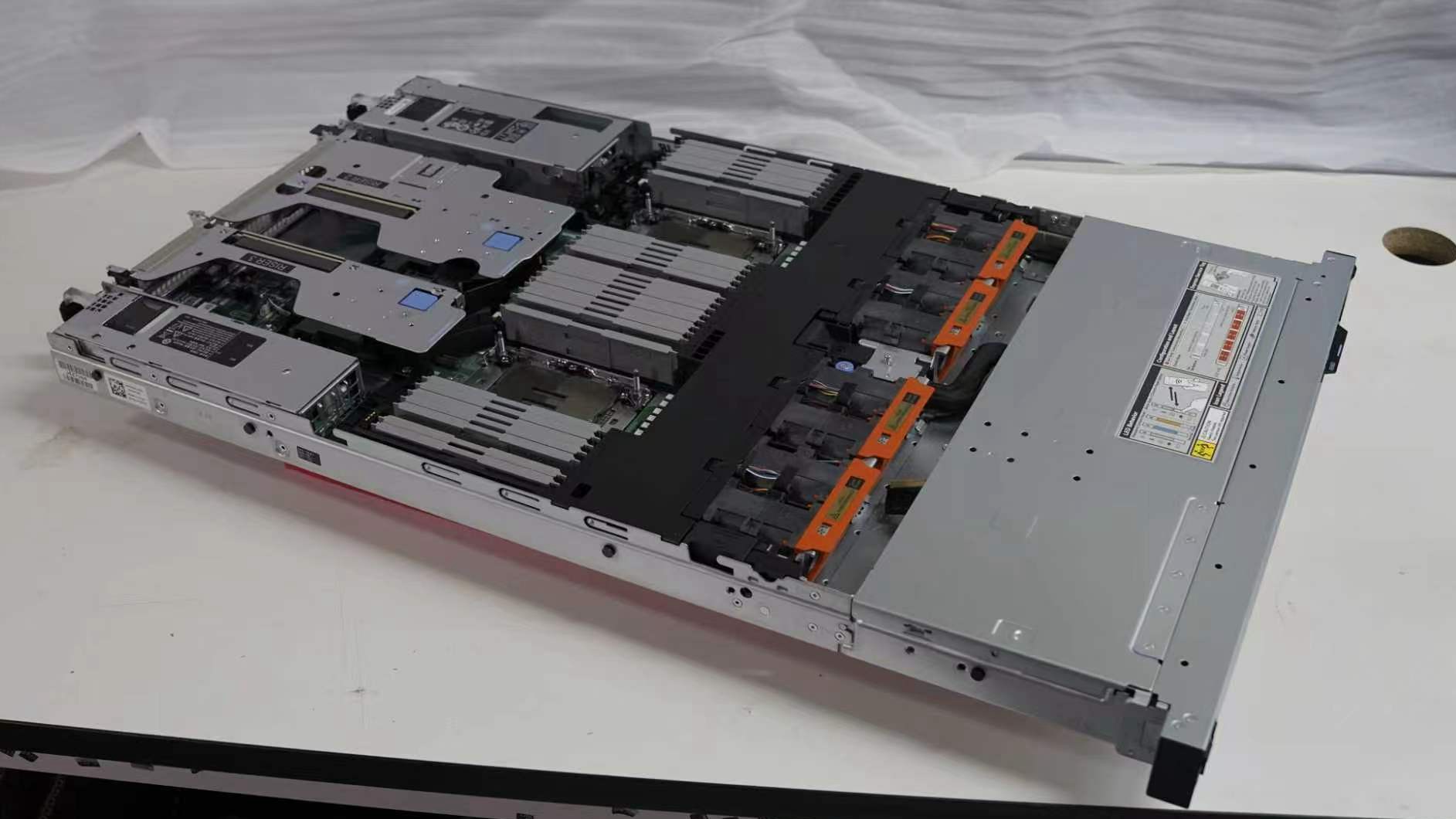
Explore our high-performance virtualization nodes, hyperconverged systems, and custom storage solutions designed for secure enterprise infrastructure.
Get detailed answers on hardware compliance, cryptoprocessors, custom software settings, and our manufacturing capability.
Take a look inside Veltron's 3,800 square meter factory, testing chambers, and development centers located in Shenzhen, China.