Veltron
Veltron
Veltron
The global digital economy is experiencing an unprecedented structural transition. High-Performance Computing (HPC), once localized within academic research centers and governmental nuclear laboratories, has transitioned to the core of enterprise technology infrastructure. The catalysts for this paradigm shift are high-density compute requirements, Large Language Model (LLM) training paradigms (such as Deepseek architectures), and distributed artificial intelligence operations. Today’s global enterprises no longer treat computing clusters as simple utilities, but as strategic units designed to achieve computational supremacy.
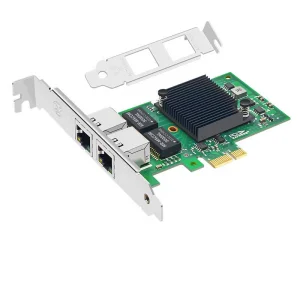
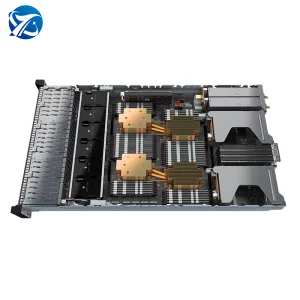
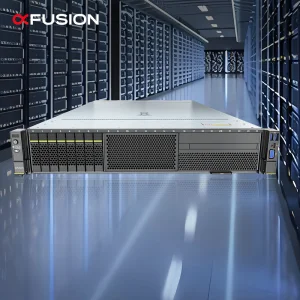
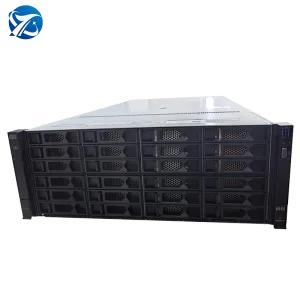
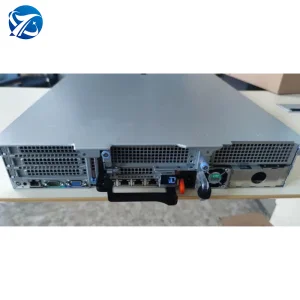
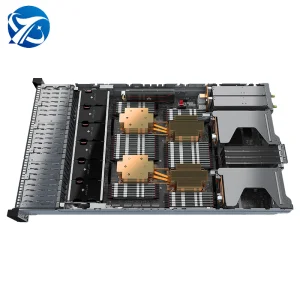
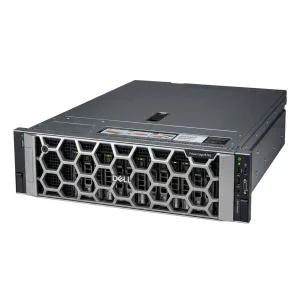
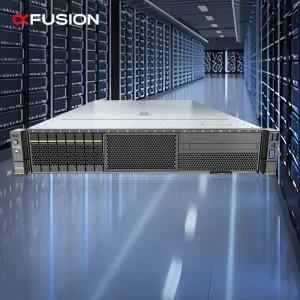
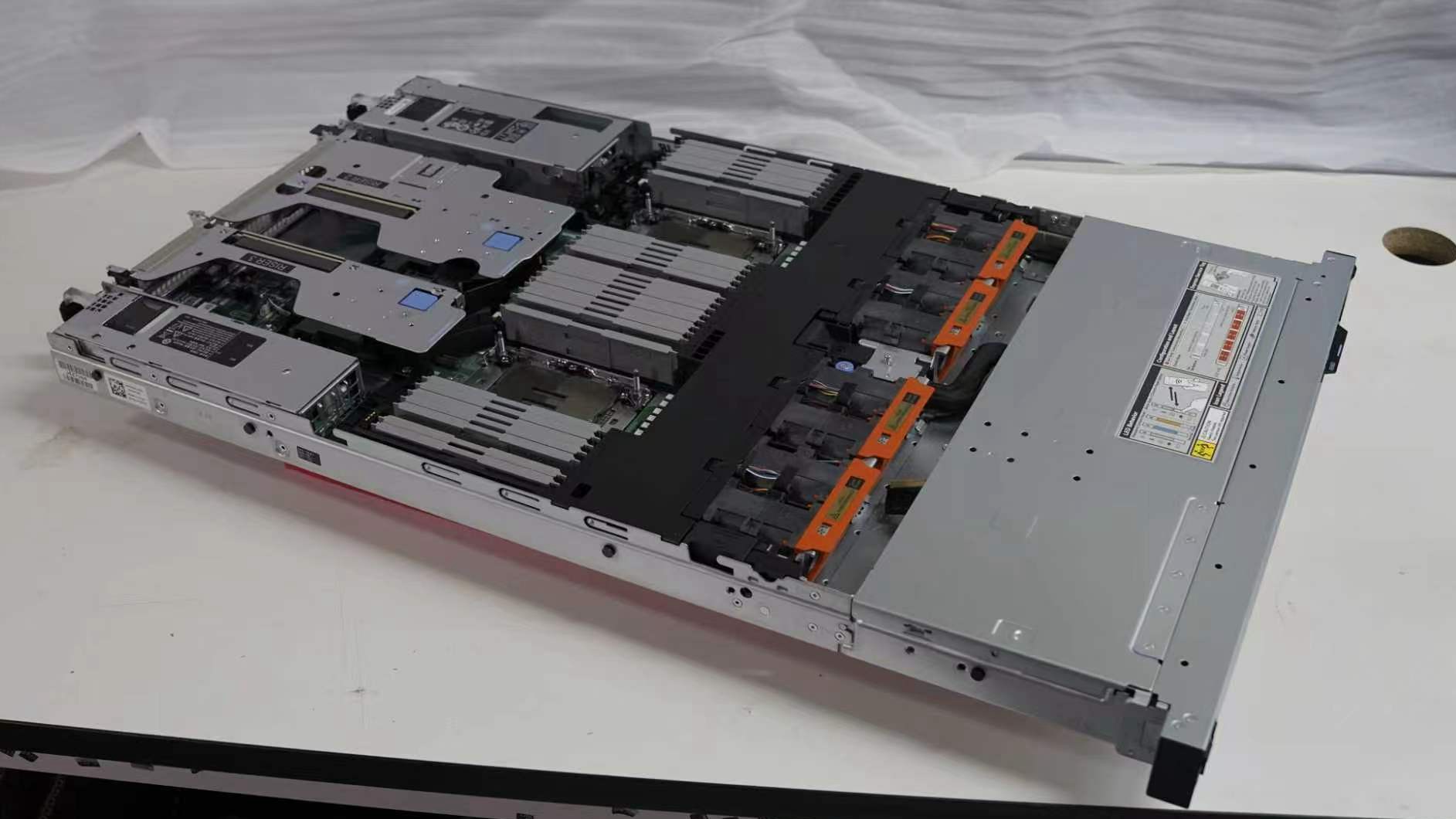
Heterogeneous Computing Integration: Traditional compute clusters relying solely on CPUs are giving way to advanced, heterogeneous architectures. Modern data centers require tight integration between high-end x86 or ARM processors and high-performance tensor-core GPUs. Bandwidth limits between devices are bypassed using high-speed interfaces like PCIe Gen 5.0, NVLink, and ultra-low latency interconnects like InfiniBand or 100Gbps/200Gbps networks. System architectures such as the xFusion 2288H V6 or the Dell PowerEdge R750/R760 GPU clusters demonstrate how hardware integrates dual-socket CPU computing nodes with multiple double-width GPU modules to handle massively parallel computational workloads.
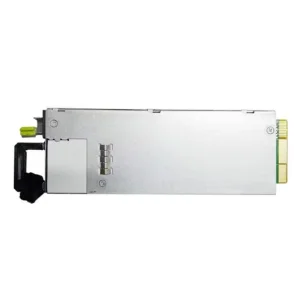
Power Distribution & Efficiency Metrics: As compute density climbs, the energy footprint per rack unit scales exponentially. The implementation of high-efficiency Titanium/Platinum-grade redundant power distribution units (such as 900W, 1500W, and 2000W PSUs) has become a crucial engineering metric. Computing systems require highly stable thermal dissipation designs to prevent thermal throttling under sustained heavy computational loads. The optimization of dynamic airflow routing and fluid dynamics in multi-GPU chassis designs ensures long-term operational integrity and predictable Mean Time Between Failures (MTBF).
As a premier hardware manufacturer headquartered in Shenzhen, Veltron Computing Technology Co., Ltd. designs, configures, and ships high-density compute solutions globally.
Global logistics, component shortages, and geopolitical shifts require a resilient supply chain. Located in Shenzhen, the silicon capital of China, Veltron Computing operates a highly optimized manufacturing ecosystem. By sourcing raw materials and critical electronic components from over 1,200 vetted strategic supply partners, we eliminate production delays and stabilize pricing against global market fluctuations.
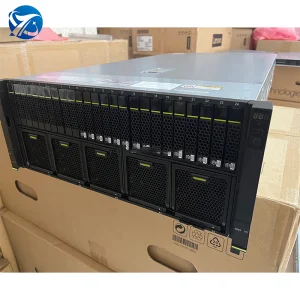
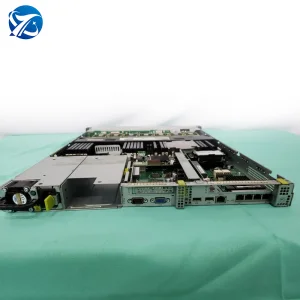
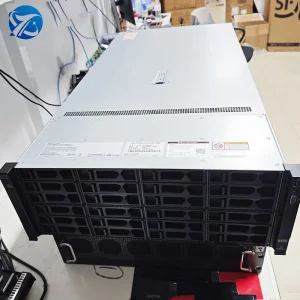
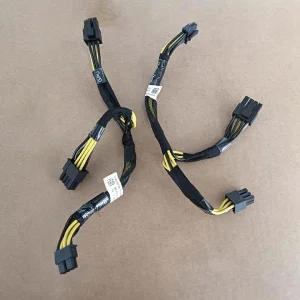
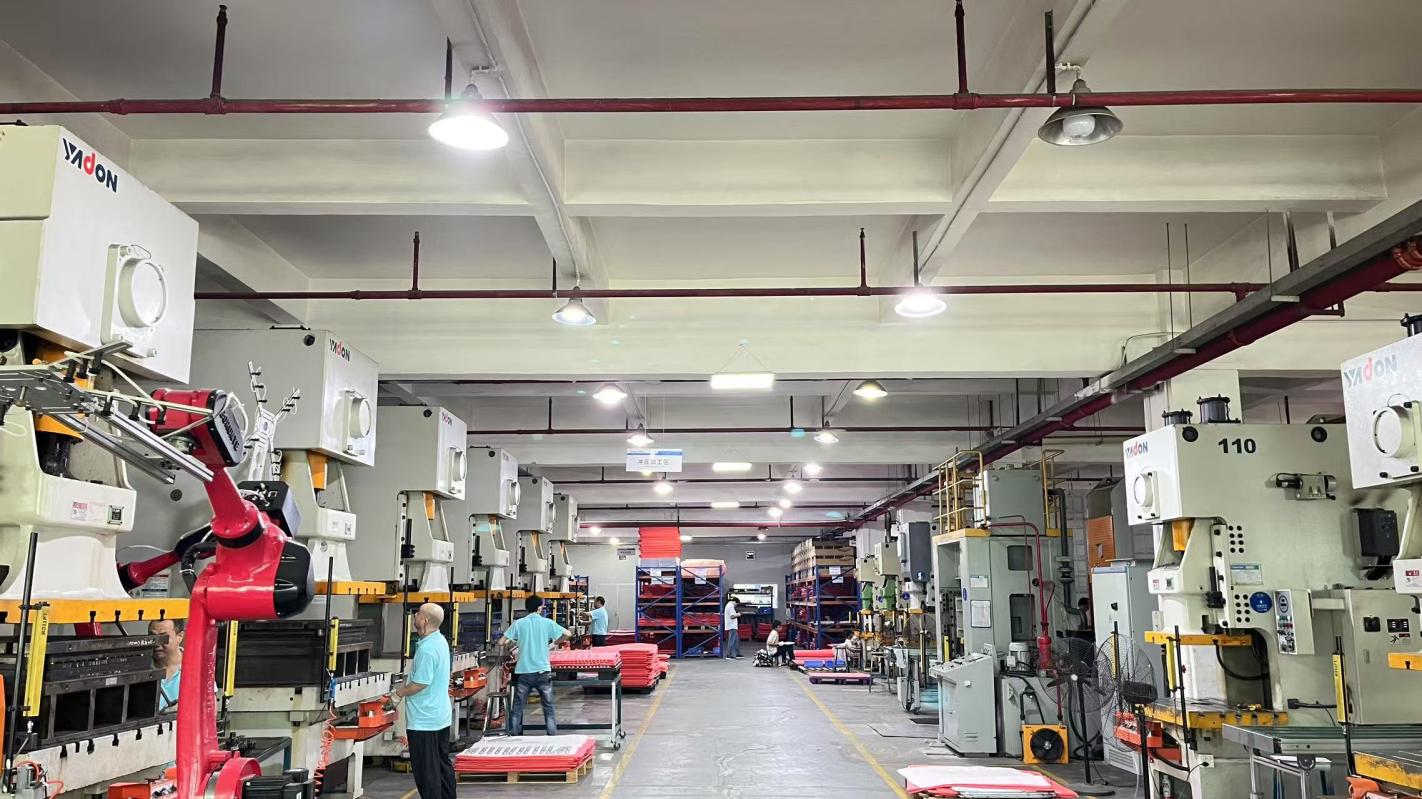
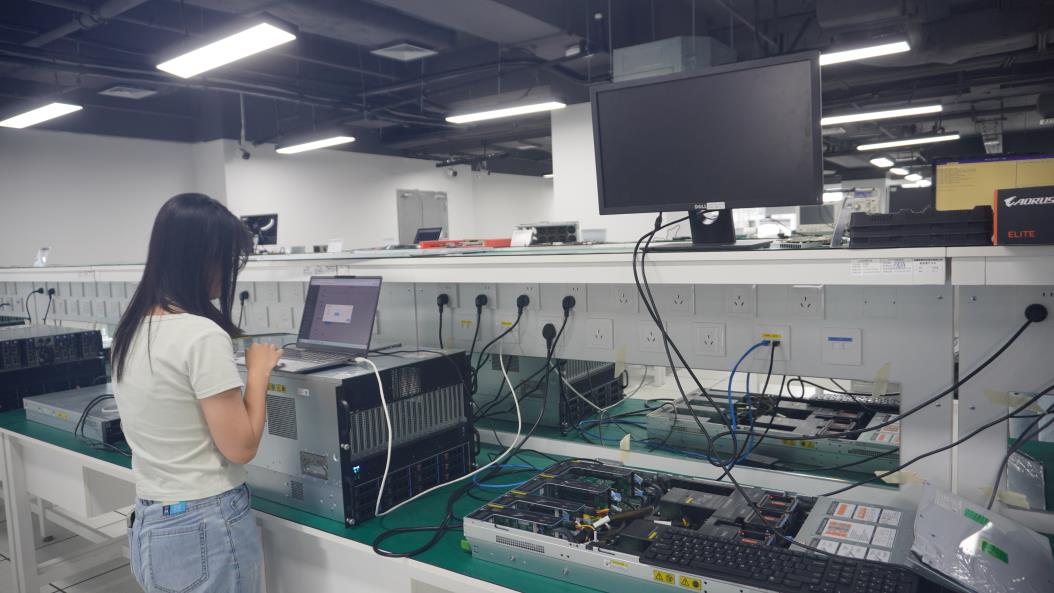
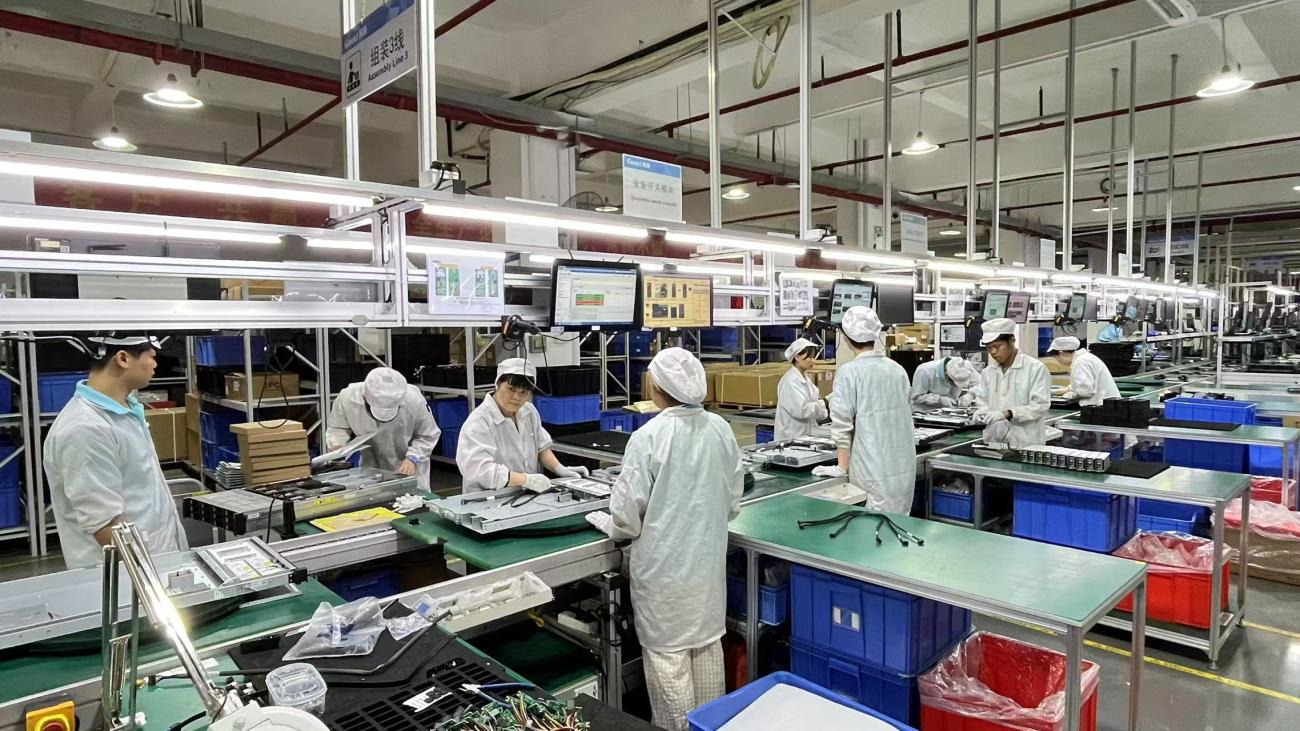
Our Factory 4.0 manufacturing processes utilize advanced assembly lines, environmental burn-in rooms, and semi-automated diagnostic suites. This tight production control keeps our manufacturing overhead competitive while maintaining high build quality. From GPU power cable assemblies (such as the TR5TP R740XD series) to multi-GPU rack servers like the xFusion FusionServer G8600 V7, every component integrates smoothly within our assembly pipeline.
| Feature Spec | Veltron Target Standards | Operational Benefit |
|---|---|---|
| Quality Control | 56 Dedicated QCs | Zero-dead-on-arrival (DOA) shipments |
| Burn-In Protocol | 100% full-load 48H Chamber | High component lifespan validation |
| R&D Scope | 168 Specialized Engineers | Deep OEM/ODM customized bios & layouts |
| Annual Releases | 85+ New Configurations | Access to the latest chipsets & solutions |
Through engineering expertise, we configure raw components into highly reliable computing nodes adapted to your software stack.
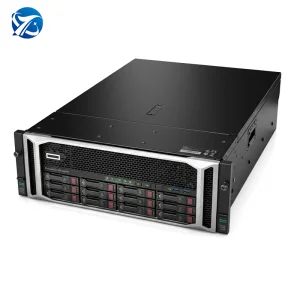
Custom 1U, 2U, 4U, and 8U rackmount server structures engineered to handle extreme heat dissipation from multiple graphic cards and high-power processors.
Optimized microcodes, IPMI customizations, fan curve adjustments, and secure boot profiles designed to streamline your custom orchestration platforms.
Comprehensive electrical, emissions, and safety certifications ensuring smooth integration into multi-national hosting centers.
Modern high-performance infrastructure is used across a wide variety of business domains. Veltron Computing servers are custom-tailored to handle specific processing workloads:
From training transformer architectures to hosting low-latency inference pipelines (such as Deepseek-powered systems), our hardware supports complex computational networks. High NVLink and PCIe throughput prevent data transfer bottlenecks during multi-node GPU operations.
Useful for modeling molecular dynamics, processing seismic data, and running weather prediction models. These tasks require reliable float-point calculations and solid memory architectures, features built into our Xeon-based 2U and 4U multi-socket servers.
Managing hybrid cloud computing tasks through models like the xFusion 2288H V6. By combining high-capacity local drives, array cards, and redundant networks, we provide a reliable, consolidated hyperconverged resource pool.
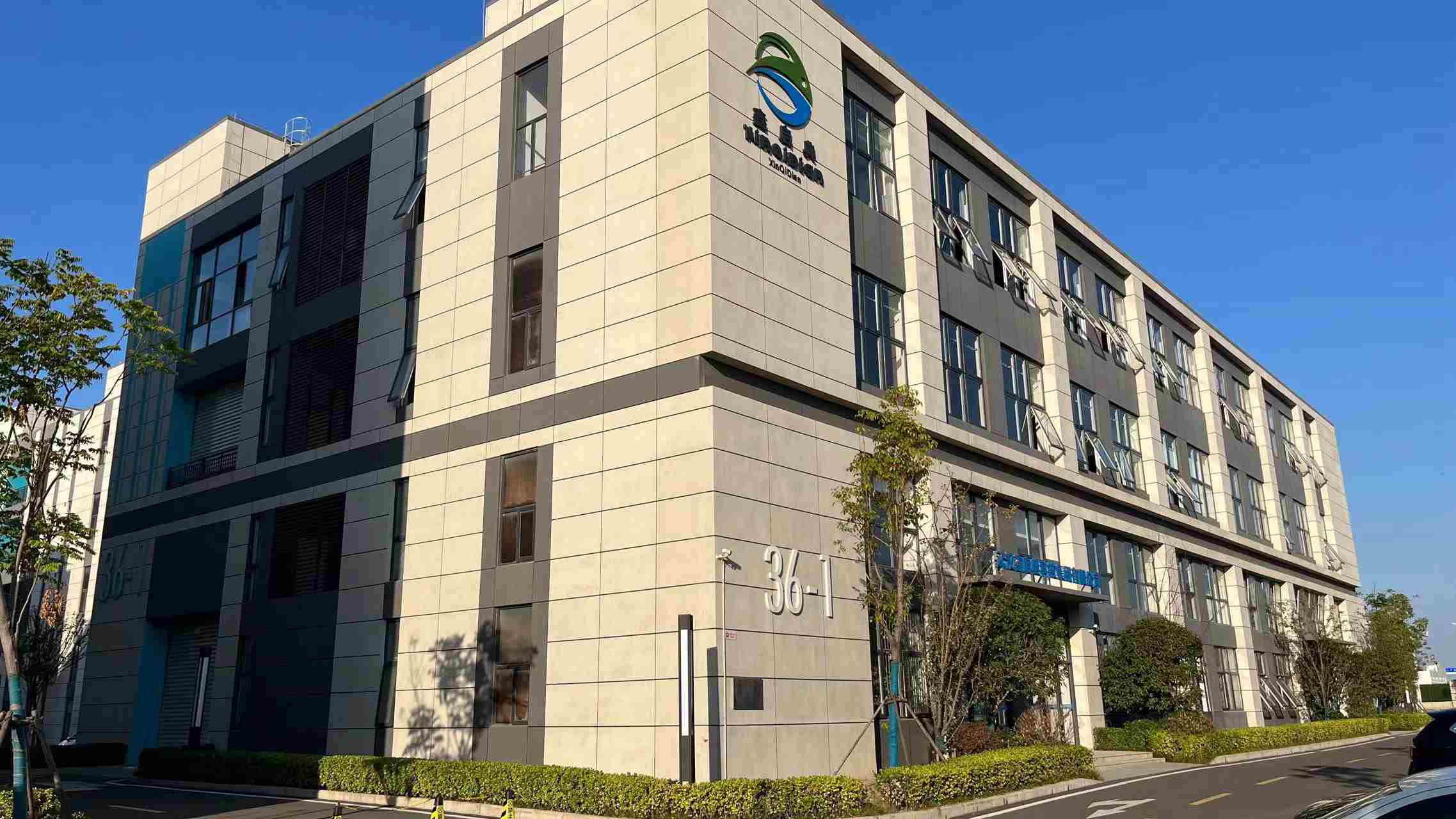
A look at our production floor, showing where server builds, hardware testing, and final packaging take place.

Answers to common questions about buying, configuring, and shipping high-performance servers.
Veltron offers comprehensive design options through our 168-member R&D engineering team. We support custom server chassis configurations, electrical load redesigns (supporting 900W up to 2000W redundant PSUs), branding, custom BIOS development, and system integration. We also provide customized accessory cabling, including GPU power cables (such as TR5TP variants) and array cards to match your setup.
We employ a strict quality management system overseen by 56 QC engineers. Each server undergoes a multi-phase testing process: board-level inspections, mechanical structural audits, burn-in validation under 100% capacity in thermal chambers (lasting 24 to 48 hours), network latency checks, and final product audits. This rigorous testing process minimizes shipping errors and ensures out-of-the-box system stability.
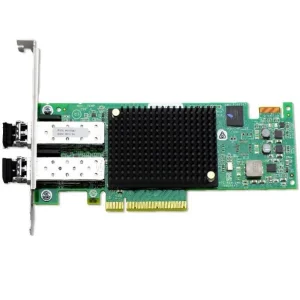
Yes, our servers (including the xFusion FusionServer G8600 V7 and 1288H V6 models) are designed to support major AI and deep learning frame models. We test component compatibility for NVLink protocols, PCIe communication paths, high-performance network interface cards (NICs), and dense RAM pools (such as 256GB and above) to support heavy model workloads.
With 8 years of export history across North America, Europe, South America, and Asia, we design our packaging to withstand transit stresses. We pack servers in customized, heavy-duty wooden crates lined with static-dissipative foam inserts. We handle international custom clearances, produce complete documentation, and partner with logistics providers to ensure safe delivery to your warehouse or data center.