Veltron
Veltron
Veltron
Explore our industrial hardware configured for GPU-accelerated computing, Quantum emulator pipelines, and massive parallel data throughput.
Years Industry Experience
R&D Engineers
Advanced Facility Area
Supply Chain Partners
Annual Export Revenue
The global high-performance computing (HPC) landscape is undergoing an unprecedented paradigm shift. As silicon-based classical microprocessors approach the physical limits of Moore's Law, the industrial need for accelerating complex computational operations is driving the integration of Quantum Computing Units (QPUs) with existing Graphics Processing Units (GPUs) and classical computing frameworks. Veltron Computing Technology Co., Ltd., established in 2016 and backed by 14 years of deep computing expertise, stands at the threshold of this revolution.
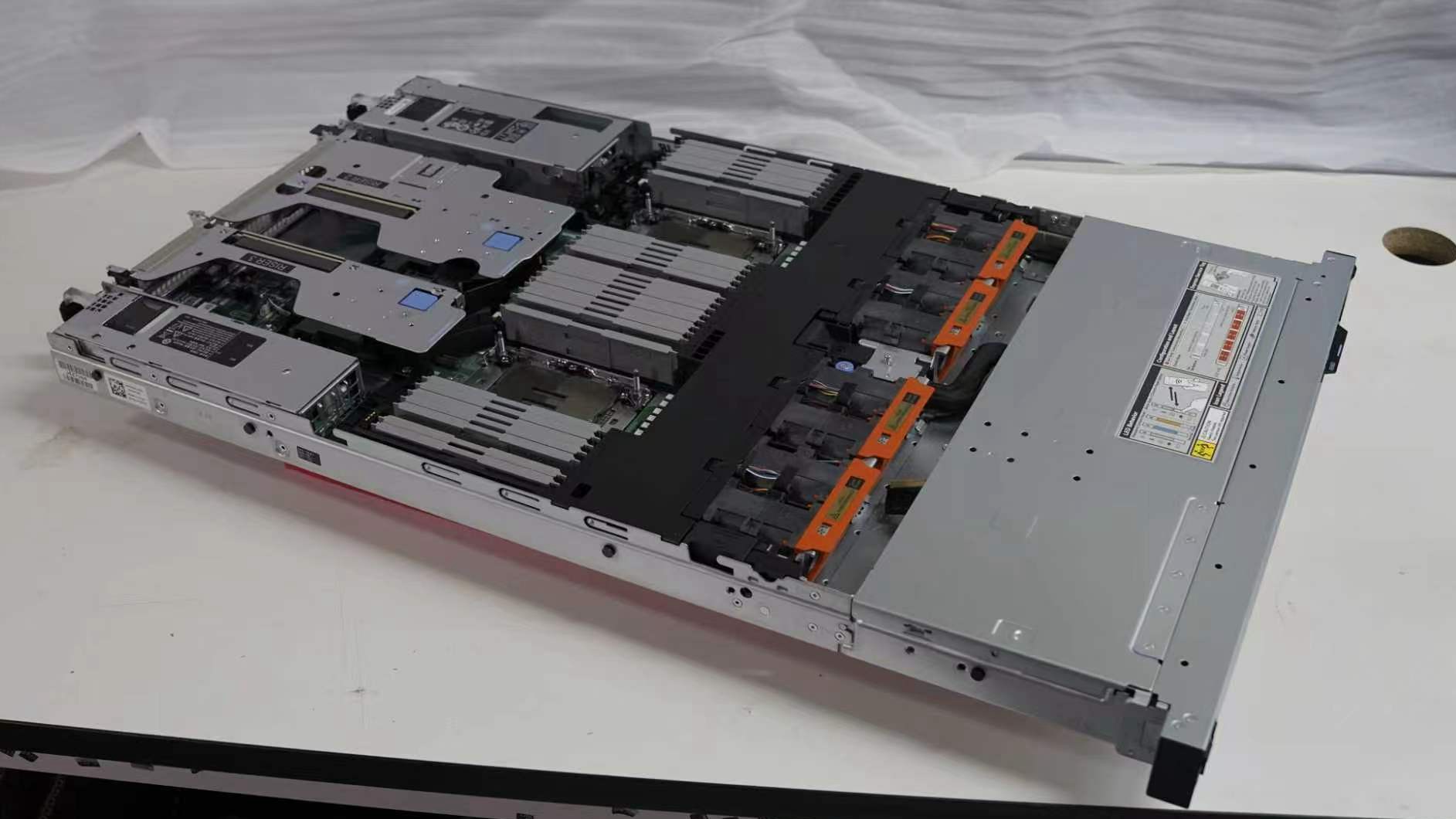
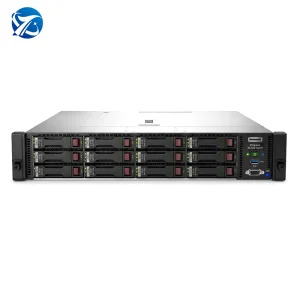
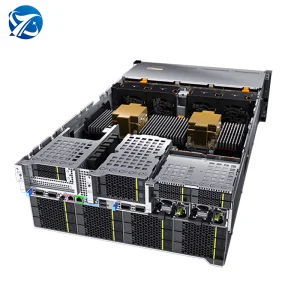
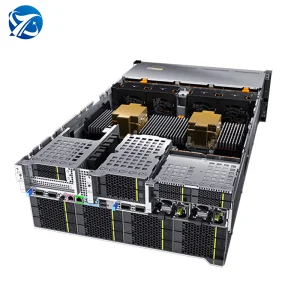
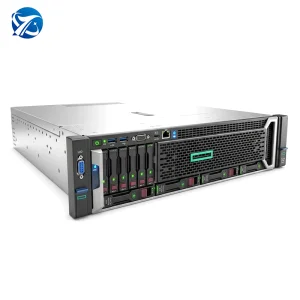
While pure, fault-tolerant quantum computing remains on the multi-year horizon, today's industrial applications leverage the hybrid NISQ (Noisy Intermediate-Scale Quantum) paradigm. In this model, high-density classical GPU rack servers—such as the FusionServer 5288 V6 or HPE ProLiant Compute DL360 Gen12—are deployed alongside quantum processing control units. These classical clusters perform the vital tasks of quantum simulation, error correction algorithms, and pre-/post-processing of quantum states. Without high-throughput classical pipelines, the coherent manipulation of qubits is impossible.
"The future of enterprise computational supremacy belongs not to quantum alone, but to the seamless orchestration of QPUs, GPUs, and high-density storage arrays inside the modern data center." — Veltron Advanced Research Group
How multinational companies and national research labs structure their computing procurement contracts.
Modern procurement pipelines for high-performance systems have shifted away from standard commodity hardware. Today, tier-1 hyper-scalers, research agencies, and enterprise financial groups require highly customized configurations designed to reduce computational bottlenecks between the quantum cryostat and the classical controller nodes.
Key procurement trends show that modern buyers demand:
Integrating PCIe Gen5 systems with high-density networking cards enables the rapid data injection rates needed to calibrate quantum systems in microsecond loops.
Using platforms with massive core counts (like Intel Xeon 6 144-Core processors) ensures the host OS can scale control threads without encountering core-starvation bottlenecks.
Deploying classical-quantum nodes across strategic industrial sectors.
Accelerating Monte Carlo simulations and multi-asset portfolio optimization. Hybrid quantum algorithms execute variational classifiers on classical GPU clusters, using QPUs to speed up multi-dimensional correlation matrices.
Simulating complex chemical reactions and molecular geometries at the sub-atomic level. Quantum computing enables exact calculation of electron orbitals, while classical servers parse the vast databases of target proteins.
Solving the Traveling Salesperson Problem (TSP) at a global scale. Integrating quantum optimization protocols allows shipping networks and national energy grids to calculate real-time distribution maps dynamically.
The convergence pathway toward Fault-Tolerant Quantum Systems (2025 - 2035).
The hardware blueprint for industrial computing shows that traditional server infrastructure must evolve to accommodate superconducting quantum loops, silicon spin qubits, and photonic computation platforms. In this trajectory, hardware design requires structural alignment across multiple developmental phases:
Utilizing high-power GPU units (e.g., FusionServer 5288 V6 or xFusion 2288H V7) to run virtualized quantum systems up to 45 qubits. This phase focuses on developing algorithms and testing quantum-classical communication over high-speed PCI buses.
Direct integration of physical QPUs inside the server rack through PCIe expansions. Liquid cooling solutions (like the *HPE DL360 Gen12 Liquid Cooling* setup) manage the thermal output of the optical-quantum control interfaces.
Linking multiple dilution refrigerators using quantum coherent interconnects. Classical computing arrays handle massive real-time Quantum Error Correction (QEC), processing terabytes of data per second to maintain logical qubit stability.
A deep look into our state-of-the-art facility, quality standardizations, and OEM/ODM engineering capabilities.
Veltron Computing Technology Co., Ltd. is a leading professional manufacturer and global supplier of GPU servers, AI computing systems, and high-performance server architectures. Founded in 2016 and leveraging 14 years of computing hardware expertise, Veltron designs and delivers reliable, scalable computing infrastructures for AI training, machine learning, data centers, scientific research, and complex system control worldwide.
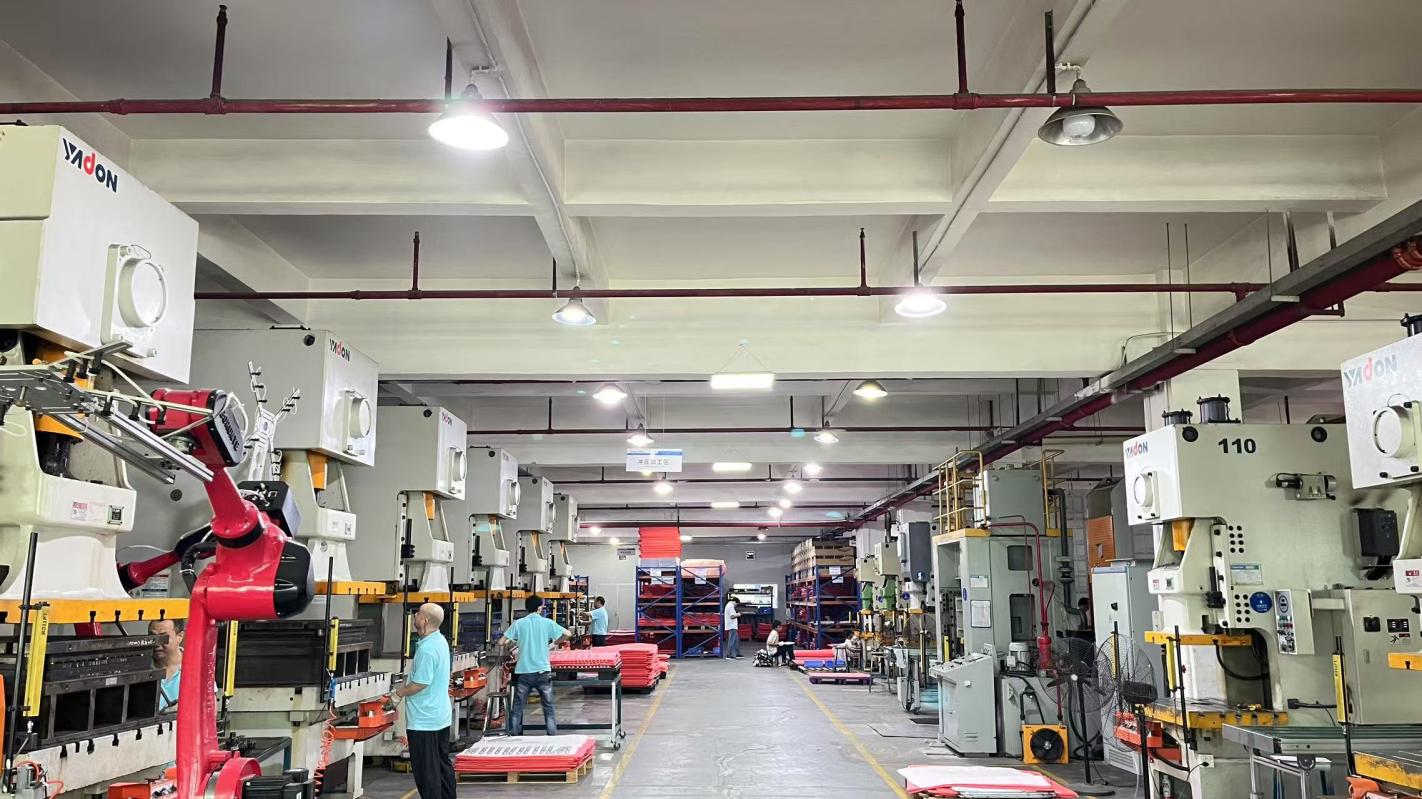
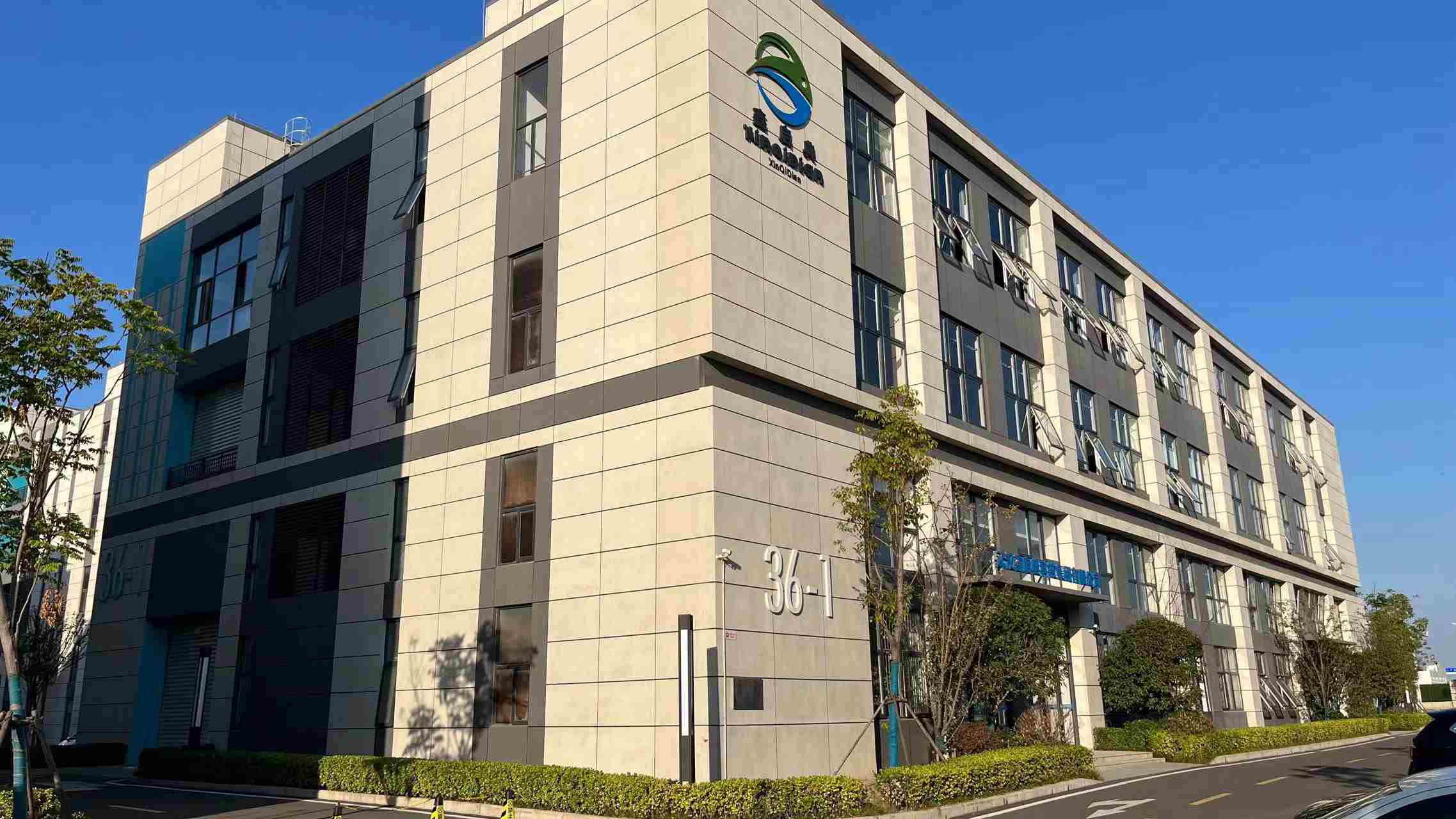
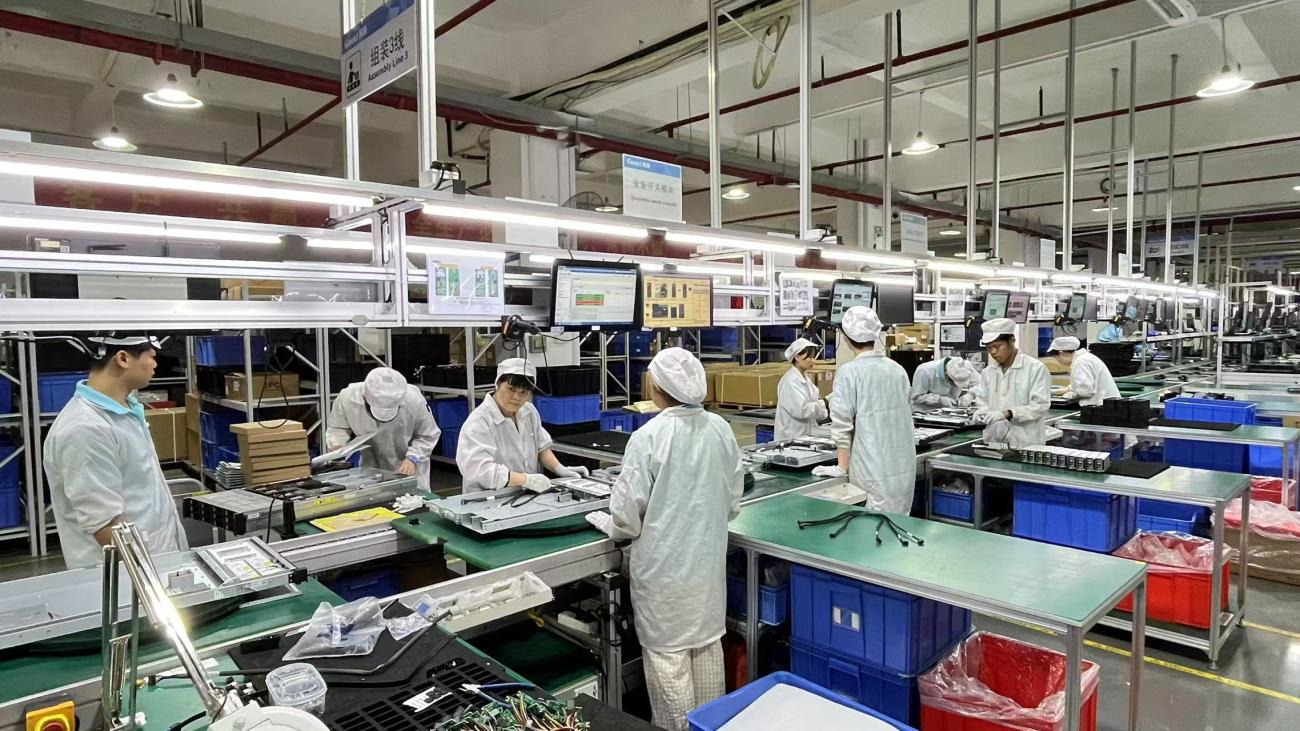
Based in Shenzhen, China's core technology hub, our modern facility spans over 3,800 square meters. It features automated assembly lines, advanced thermal labs, and rigorous reliability testing rooms. With an established annual export revenue exceeding USD 18 million, Veltron serves customers across North America, Europe, Southeast Asia, the Middle East, and South America.
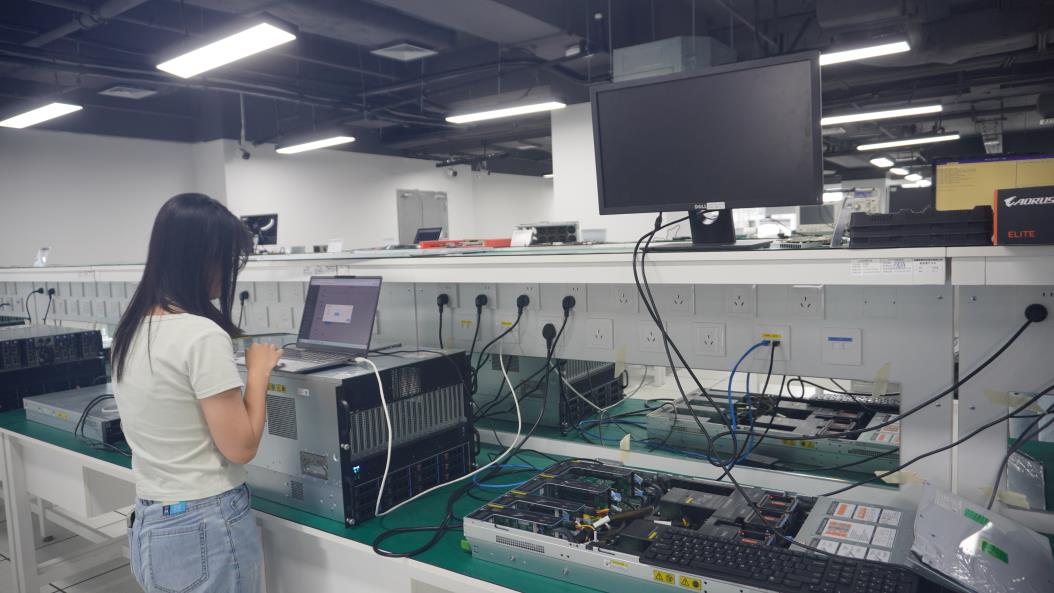
Our operational core is built on a commitment to quality. Our QA protocols are supervised by 56 dedicated quality control specialists who test systems at every production phase. From component inspection to high-temperature burn-in validation, we ensure each platform meets strict reliability standards before deployment.
Innovation is driven by our dedicated R&D center, consisting of 168 experienced engineers specializing in server architecture, GPU integration, cooling design, and hardware customization. With robust OEM/ODM capabilities, Veltron supports custom chassis design, localized firmware modifications, and specialized hardware integrations.
"By partnering with more than 1,200 supply chain leaders, we ensure a stable component pipeline, enabling rapid assembly and prompt delivery of high-density systems globally."
Every year, we introduce more than 85 new products and hardware upgrades, ensuring our clients have access to the latest computing technologies.
Ensuring global delivery standards, strict regulatory compliance, and localized engineering support.
Deploying high-performance computing nodes globally requires navigating diverse regulatory, electrical, and data compliance standards. Veltron addresses these requirements through a robust international compliance framework:
All hardware platforms carry CE, FCC, RoHS, and relevant local certifications. Our manufacturing facility operates under ISO 9001 and ISO 14001, ensuring consistent, high-quality production standards.
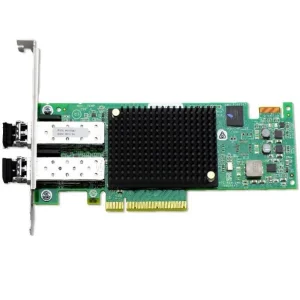
We work with vetted component suppliers to mitigate geopolitical and logistics risks. Our multi-vendor sourcing strategy ensures consistent access to critical components, including PCIe switches, SAS controllers, and HBA adapters.
Our localized support network assists with installation, system diagnostics, and hardware maintenance. We work closely with regional partners to minimize downtime and resolve technical issues quickly.
Key technical insights regarding quantum-classical integration and server manufacturing.
Quantum computers (QPUs) require a robust classical interface to operate. High-performance GPU servers serve as the host layer, executing tasks like quantum state simulation, error correction algorithms, and pre-processing control signals. Because physical qubits are sensitive to noise and have short coherence times, classical compute nodes must process calibration and correction loops at microsecond speeds.
High-density server configurations generate substantial heat. Transitioning to liquid cooling (as seen in the HPE DL360 Gen12 liquid-cooled servers) helps maintain stable operating temperatures, preventing thermal throttling. This thermal stability is critical for protecting adjacent quantum control interfaces and optoelectronic lines from temperature-induced signal drift.
Our production line features a multi-tiered quality control system managed by 56 QC specialists. Each server undergoes a comprehensive checklist, including automated optical inspections (AOI), full-load thermal testing, 24-48 hour burn-in validation, and individual port diagnostics. This process ensures consistent performance and long-term stability under heavy workloads.
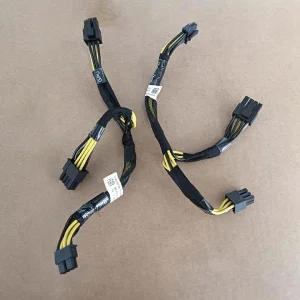
Yes. Supported by 168 R&D engineers, we provide complete OEM/ODM services. We design custom server chassis layouts, specify unique power distribution setups, build specialized internal cables (such as the TR5TP graphic power interface), and pre-configure BIOS/firmware levels to meet the requirements of custom QPU control hardware.
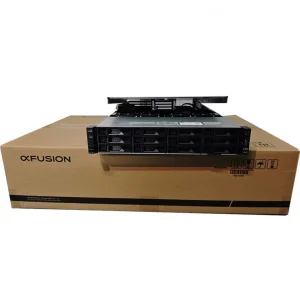
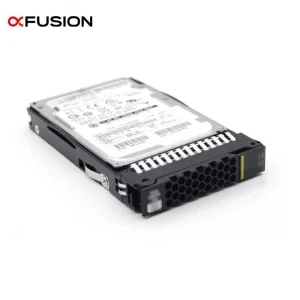
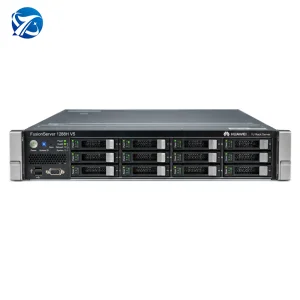
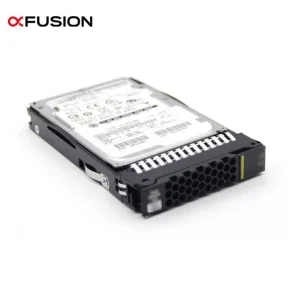
Complete your deployment with enterprise-grade components, high-density storage drives, and rack accessories.
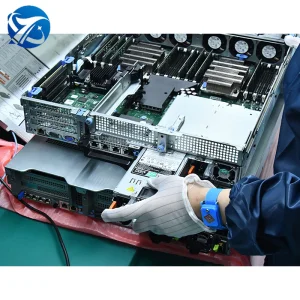
An inside look at our 3,800 square meter Shenzhen plant, production machinery, and strict quality control operations.