Veltron
Veltron
Veltron
Integrate high-speed transceivers, network interface cards, and high-density computing clusters using Veltron's premier network-optimized hardware. Explore our first tier of elite computing systems:
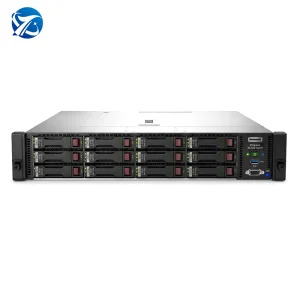
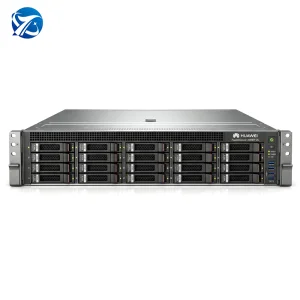
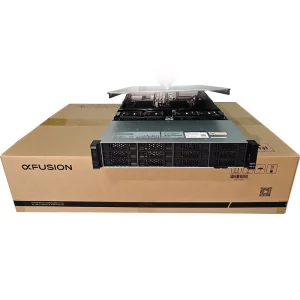
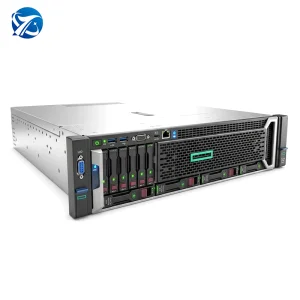


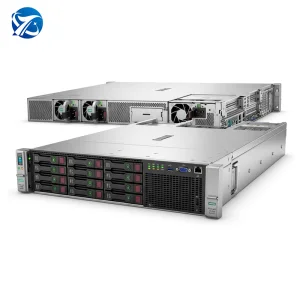
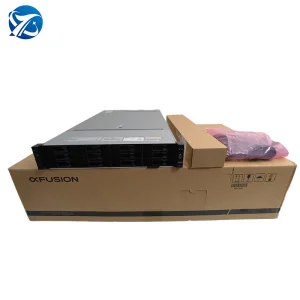
In the modern era of hyper-scale computational demands, AI workloads, and distributed database models, the bottleneck of throughput has shifted dramatically from individual core processor speeds to the cluster interconnect. The deployment of high-power algorithms like DeepSeek R1, GPT-4, and complex large language models (LLMs) necessitates non-blocking, zero-latency network fabrics. Under this new technical paradigm, optical networking equipment represents the foundational scaffolding of next-generation cloud infrastructure.
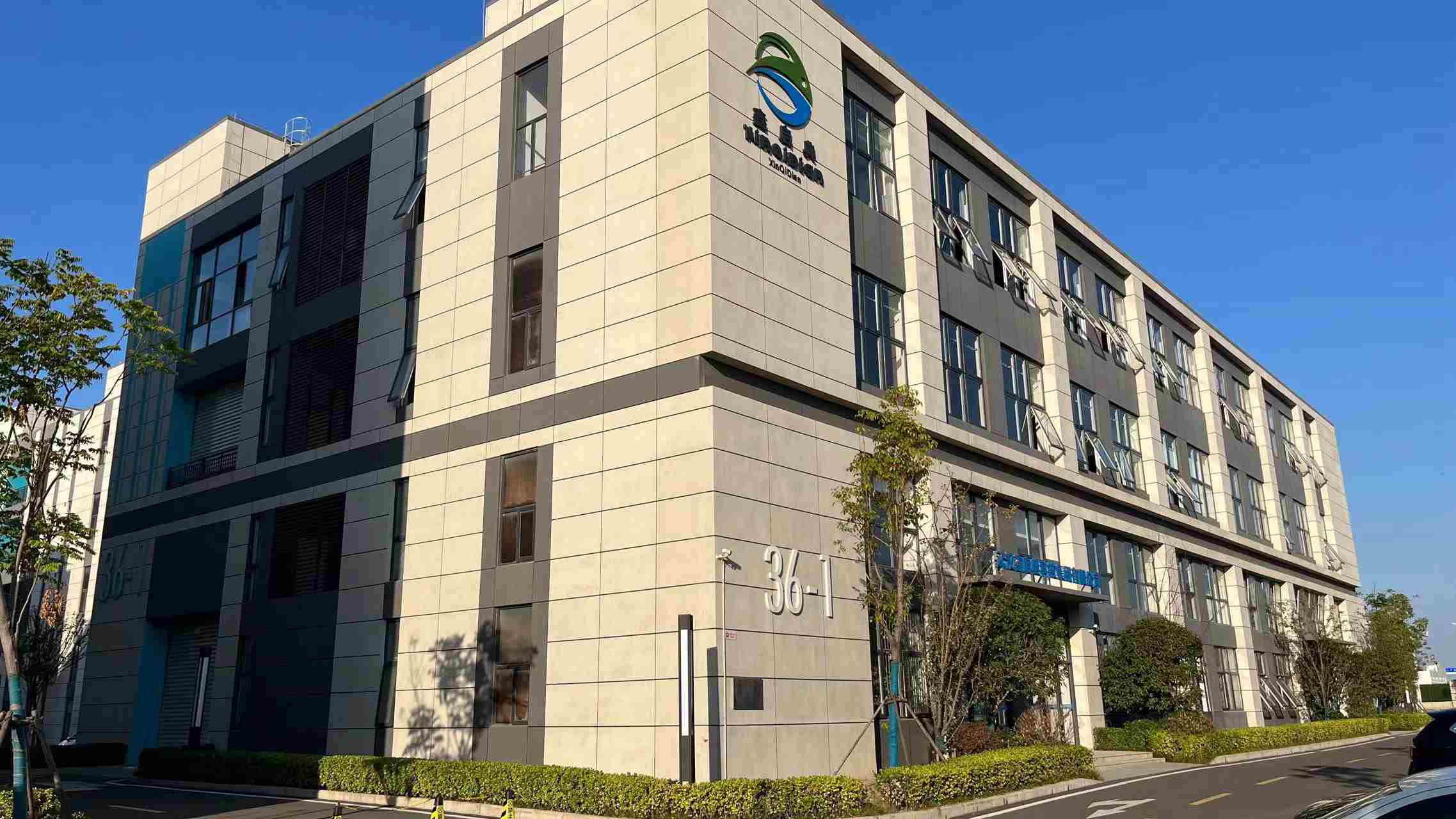
As a pioneer in enterprise-level hardware manufacturing, Veltron Computing Technology Co., Ltd. integrates ultra-high-speed network server design with advanced optical component compatibility. Operating directly from our world-class, 3,800+ square meter facility in Shenzhen, China, we configure data-center infrastructure that seamlessly bridges high-speed PCIe Gen5 channels with advanced optical transceiver interfaces (ranging from 100G up to 800G OSFP/QSFP-DD modules).
High-throughput architectures (such as liquid-cooled rack platforms and multi-GPU compute nodes) demand customized high-speed optical transceivers and direct-attach copper (DAC) systems. Veltron provides tailored integration layers that enable maximum throughput over Single-Mode Fiber (SMF) and Multi-Mode Fiber (MMF) networks, ensuring minimal optical packet drop-rates and optimal thermal-dissipation matrixes under extreme network stress.
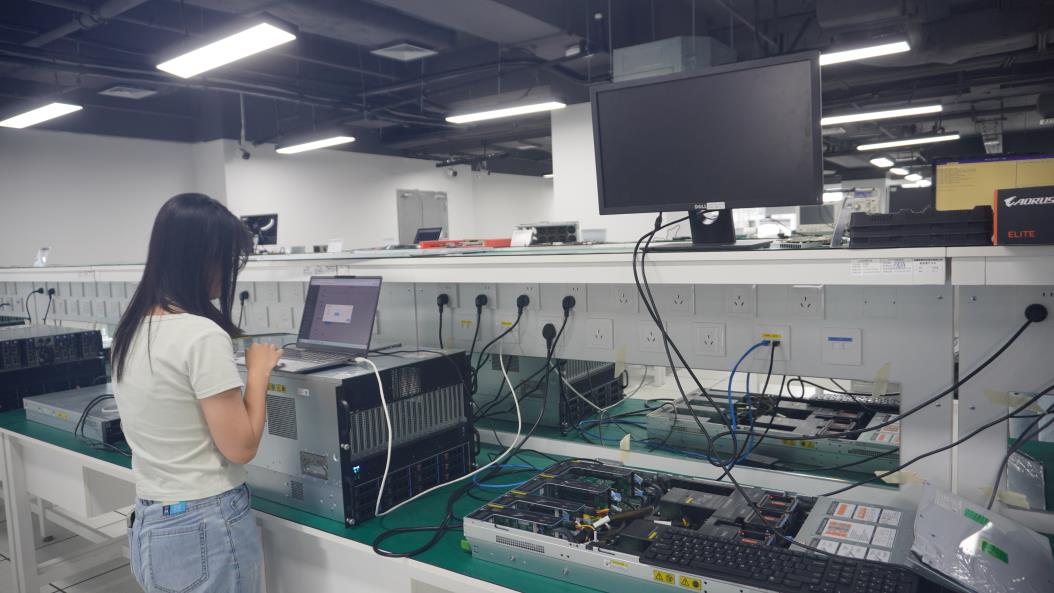
China’s optical communication corridor—centered around Shenzhen and Wuhan—represents the most densely integrated optical component ecosystem in the world. As a dedicated provider, Veltron Computing leverage the unmatched geographic advantages of our Shenzhen base to lower lead times, implement structural cost optimization, and secure premier-grade raw components. Our comprehensive, state-of-the-art facility features complete assembly operations and in-house validation testing laboratories.
With access to over 1,200 specialized raw material and silicon component suppliers, we build hardware with premier silicon photonics chips, advanced optical sub-assemblies (TOSA/ROSA), and the finest multi-layer PCB boards.
Backed by a team of 56 full-time quality assurance experts, Veltron conducts multi-step hardware analysis, high-temperature dynamic burn-in testing, and optical eye-diagram calibration to ensure long-term, zero-failure operations.
Supported by 168 experienced engineers, we launch 85+ annual standard upgrades. We configure network equipment parameters, BIOS/firmware specifications, custom chassis sizes, and branding requirements per individual client request.
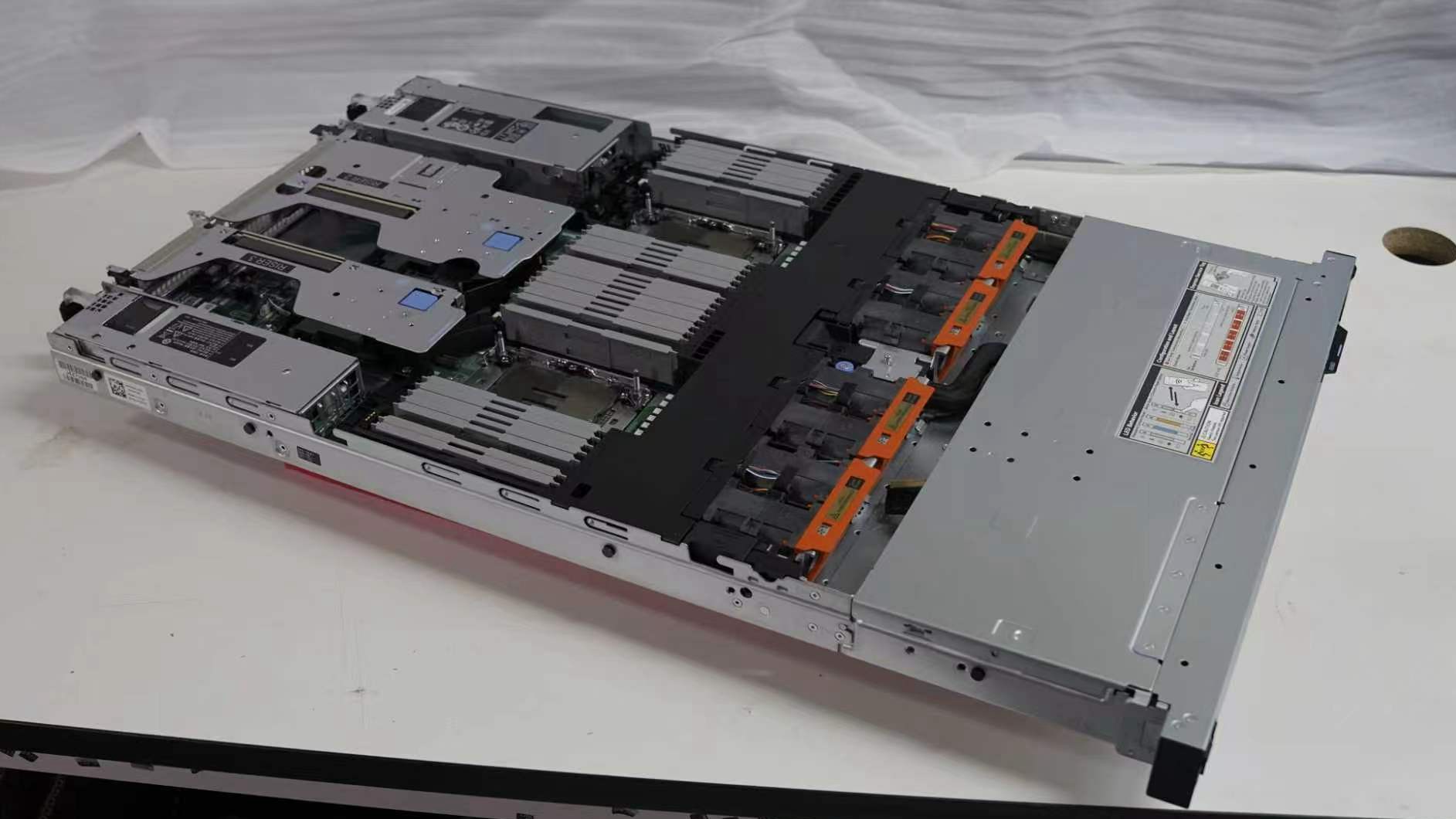
As data processing clusters transition to PCIe 5.0 and PCIe 6.0 standards, traditional pluggable transceivers hit physical power dissipation limits. The industry is rapidly moving toward Co-Packaged Optics (CPO) and Near-Packaged Optics (NPO). Veltron builds servers featuring high thermal efficiency and modular internal configurations, enabling data centers to integrate advanced silicon photonics modules next to the central processors without risking structural thermal throttling.
To accommodate GPU-to-GPU communications (such as NVIDIA NVLink networks or open RoCE v2 architectures), hardware latency must be kept below the microsecond threshold. Veltron rack servers are structurally designed to integrate high-density SmartNICs (Smart Network Interface Cards) and host channel adapters, ensuring seamless transmission of parallel data streams in high-performance computing centers.
| Interface Standard | Max Bandwidth | Interconnect Distance | Ideal Application Scenario | Veltron Hardware Compatibility |
|---|---|---|---|---|
| QSFP-DD (PAM4) | 400 Gbps | Up to 10 km (SMF) | Hyperscale Switch Uplinks | Supported via xFusion & FusionServer PCIe5 Expansion Slots |
| OSFP (800G) | 800 Gbps | Up to 2 km (SMF) | AI Cluster Backbone (GPU to Switch fabric) | Optimized for HPE Compute DL360 Gen12 Liquid Cooled |
| Active Optical Cables (AOC) | Up to 400G | Up to 100 meters (MMF) | Intra-Rack Server Interconnections | Native Direct Compatibility with all Veltron 1U/2U Rack Servers |
| Direct Attach Copper (DAC) | Up to 200G | Up to 7 meters (Copper) | Top-of-Rack (ToR) Switch to Host Interfaces | Optimized for Low-Latency ERP Rack Servers (2488H V5) |
AI training requires multi-node GPU clusters working continuously. Our custom G5200 V5, xFusion GPU servers, and DeepSeek optimized networks are designed with dual-port 100G/200G network cards. By running optic fiber arrays directly from the compute nodes to high-speed spine switches, we reduce distributed training times, avoid latency spikes, and optimize compute efficiency.
In cloud environments, computing nodes must scale on-demand. Using our hyperconverged rack systems (such as the xFusion 2288H V6 20*2.5 Inch), organizations can aggregate NVMe-over-Fabrics (NVMe-oF) storage nodes with computing processors. High-bandwidth optical transceivers ensure that data access times match local PCI-Express read/write cycles.
For critical applications (such as banking systems, heavy logistics ERP systems, and high-frequency analytical engines), network packet loss is not tolerated. Veltron's 4-socket configurations (such as the FusionServer 2488H V5) utilize fully redundant optical transceivers. Dual-port optical failovers maintain uninterrupted operations, guaranteeing continuous data-flow even in the event of primary fiber port damage.
With the power draw of modern computational nodes reaching up to 10kW per rack unit, traditional air cooling is no longer sufficient. Veltron's liquid-cooled servers integration options allow data centers to minimize fan noise, drop server Power Usage Effectiveness (PUE) below 1.15, and keep optical modules operating at lower temperature ranges, reducing optical degradation over time.
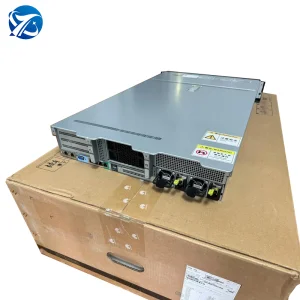
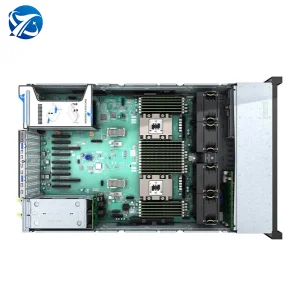
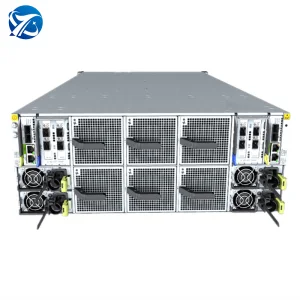
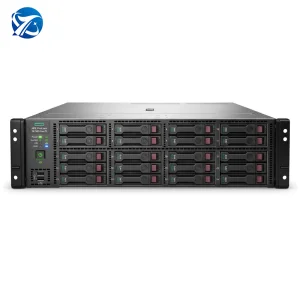
Discover the second tier of Veltron's hardware portfolio. These units offer advanced optical network interface configuration options, high core-count Xeon scaling, and dedicated GPU computing frameworks:

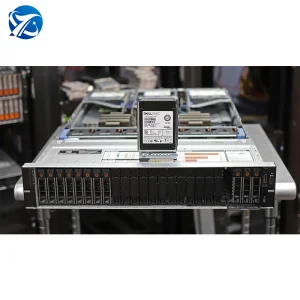
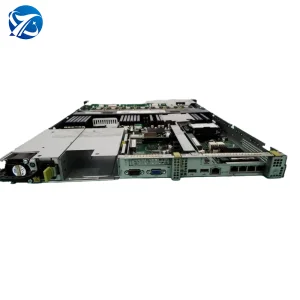
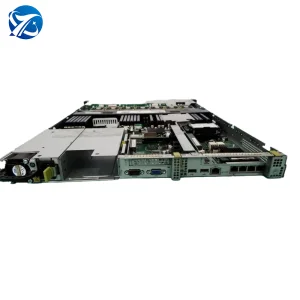
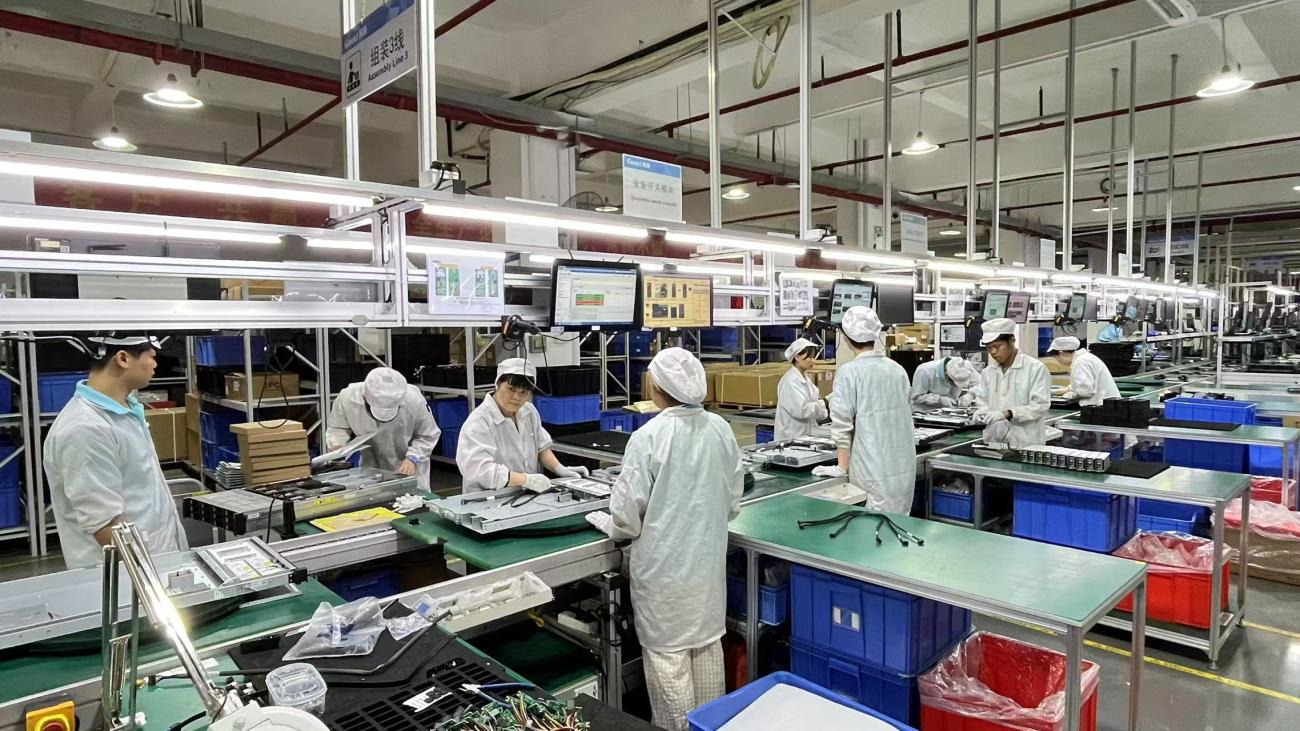
Our 3,800+ square meter assembly and testing lines in Shenzhen, China, operate under rigorous international management guidelines, ensuring high quality control standards at every stage: