Veltron
Veltron
Veltron
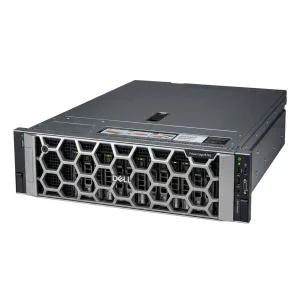
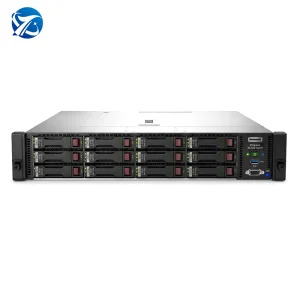
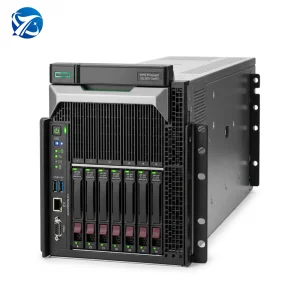
Enterprise-grade server units, RAM accelerators, and ultra-wideband switching units built for intensive data processing.
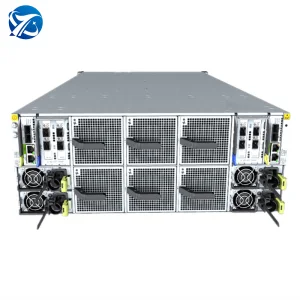
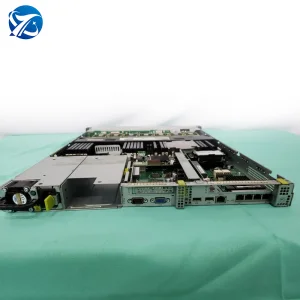
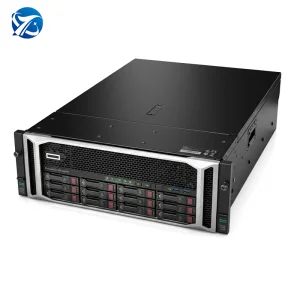
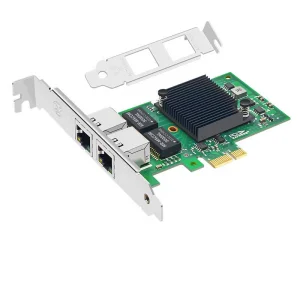
A deep analysis of hardware architectures, global supply resilience, and custom system engineering in high-density high-performance computing (HPC).
The contemporary digital economy is undergoing a massive transformation powered by the convergence of LLMs (Large Language Models), transformer architectures, and real-time big data processing. As artificial intelligence models scale past hundreds of billions of parameters, classical CPU-driven execution environments encounter critical bottlenecks in performance, network bandwidth, and energy consumption. Modern server platforms require structured clusters of heterogeneous GPU-accelerated computing nodes to efficiently parallelize tensor workloads, manage petabyte-scale datasets, and guarantee latency parameters under peak inference requirements.
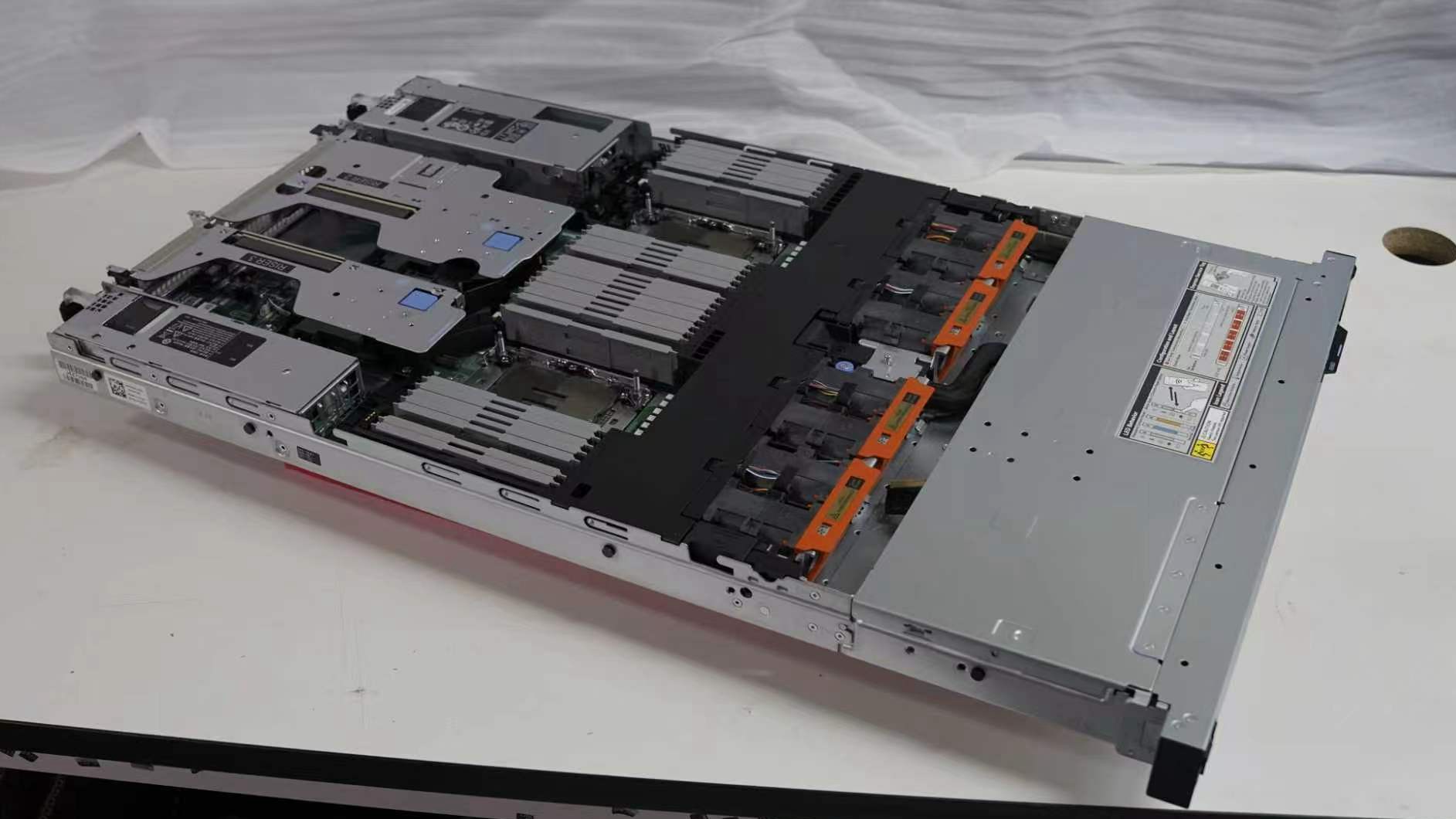
Globally, the demand for enterprise computing infrastructure is driven by three main factors: high-density performance per rack unit (U), systemic thermal efficiency to reduce overall PUE (Power Usage Effectiveness), and robust I/O interfaces like PCIe Gen5, DDR5 memory, and high-performance RAID cache systems. High-density server engineering has evolved beyond simple board integrations; it now encompasses comprehensive hardware system validation, complex thermal dissipation design, and firmware adjustments to guarantee continuous uptime under extreme compute stresses.
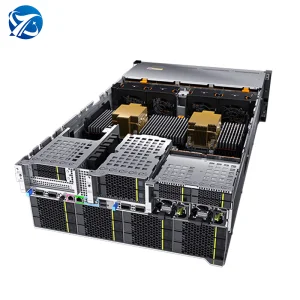
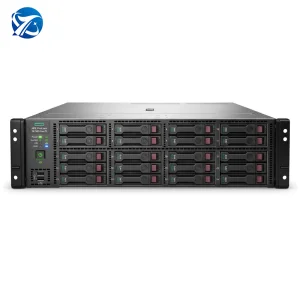
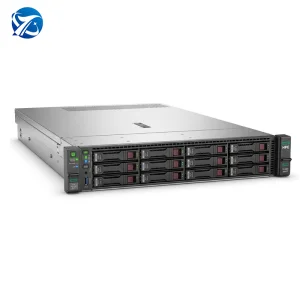
Multi-GPU server topologies leveraging fast interconnections (like NVLink and PCIe Gen5 switches) to process intensive model parameters and massive training datasets.
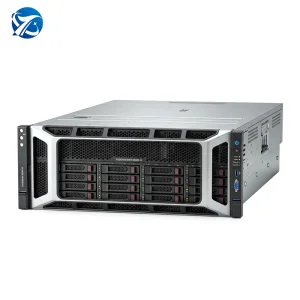
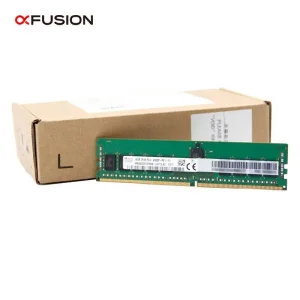
Optimal memory sizing with ECC DDR4/DDR5 components paired with multi-channel high-speed SAS/NVMe controller cards to maximize transaction throughput in relational databases.
Rugged and thermal-optimized GPU platforms designed for local edge deployment to analyze real-time multi-channel video streams with minimal response latency.
Empowering global enterprises with high-performance intelligent hardware infrastructure, custom engineering, and reliable supply chain support.
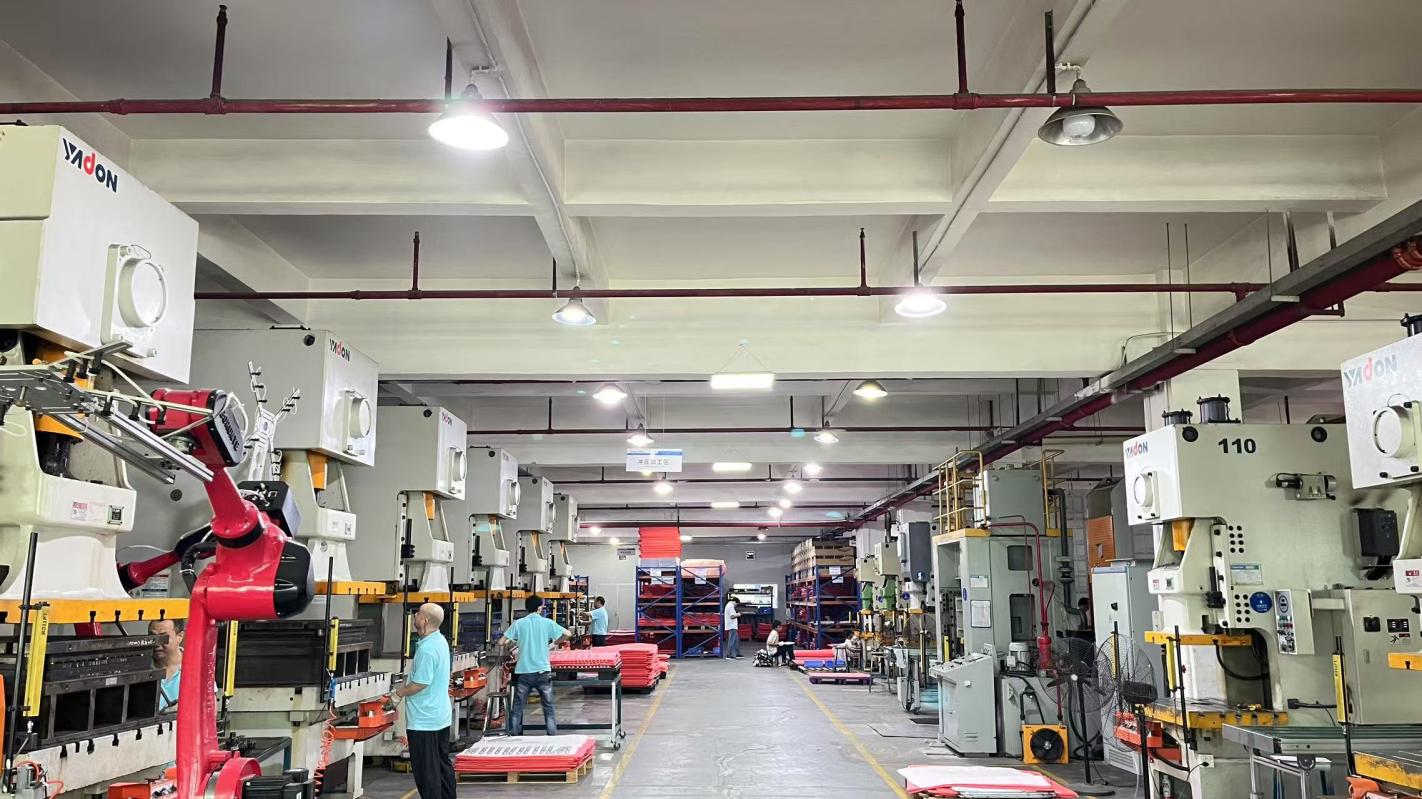
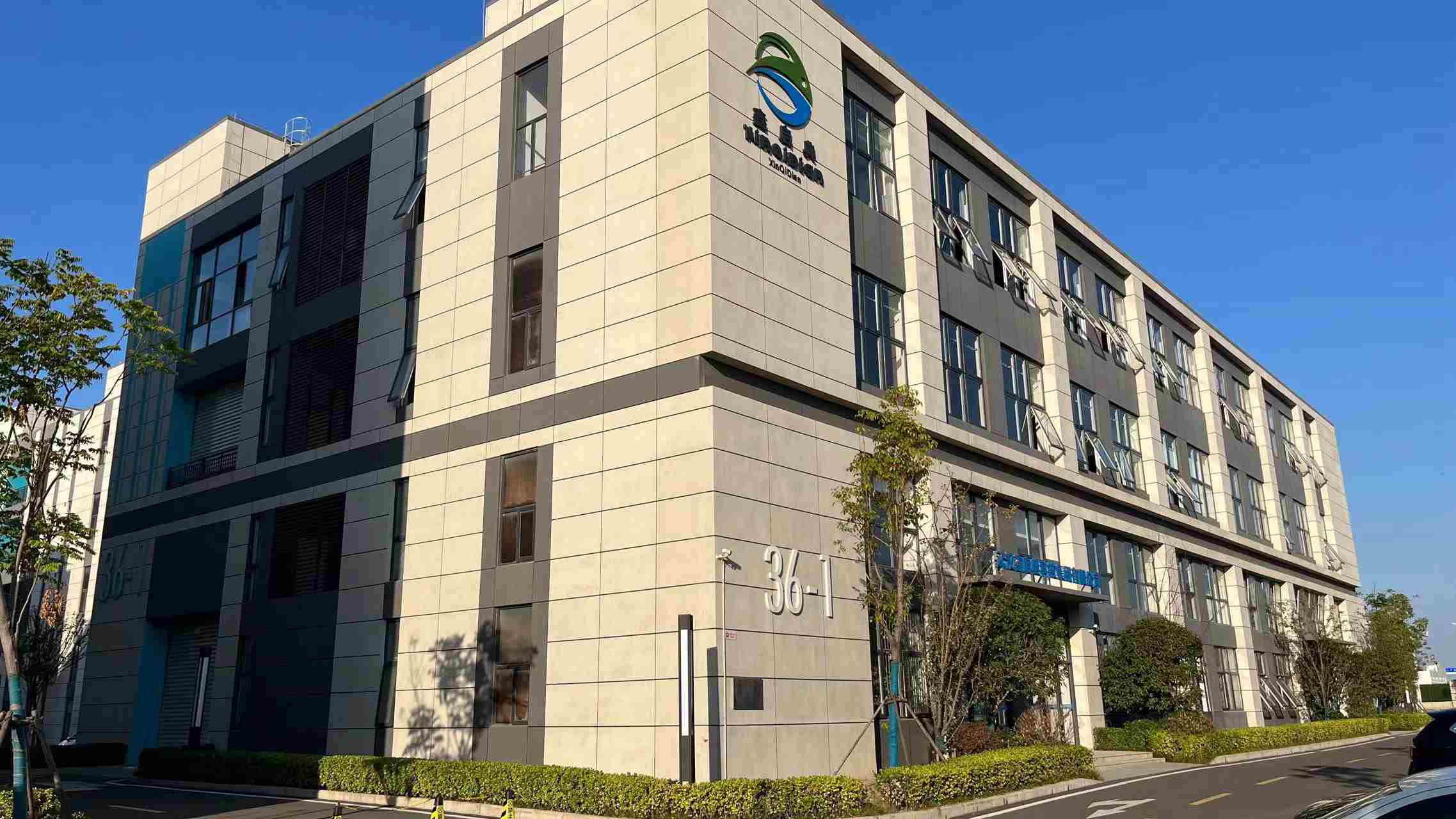
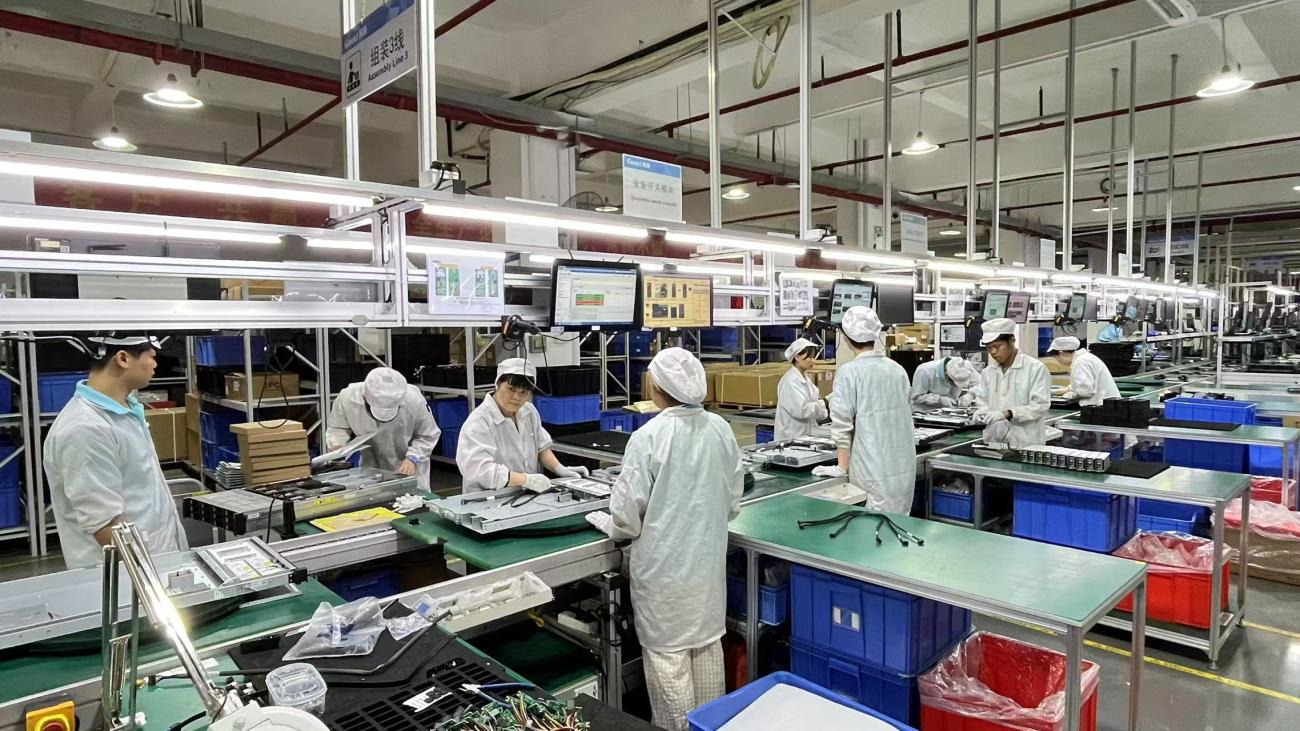
Veltron Computing Technology Co., Ltd. is a professional manufacturer and global supplier of GPU servers, AI computing systems, and high-performance server solutions. Established in 2016, Veltron is dedicated to delivering reliable, scalable, and innovative computing infrastructure for AI training, machine learning, cloud computing, data centers, scientific research, and enterprise applications worldwide. Located in Shenzhen, China, Veltron operates a modern manufacturing facility covering over 3,800 square meters, equipped with advanced assembly lines, testing laboratories, and quality control systems.
How Veltron ensures structural reliability, compliance, and custom hardware engineering for international target markets.
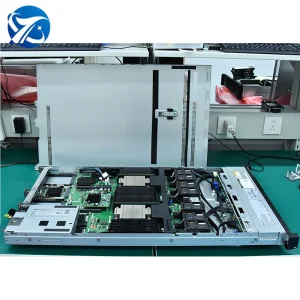
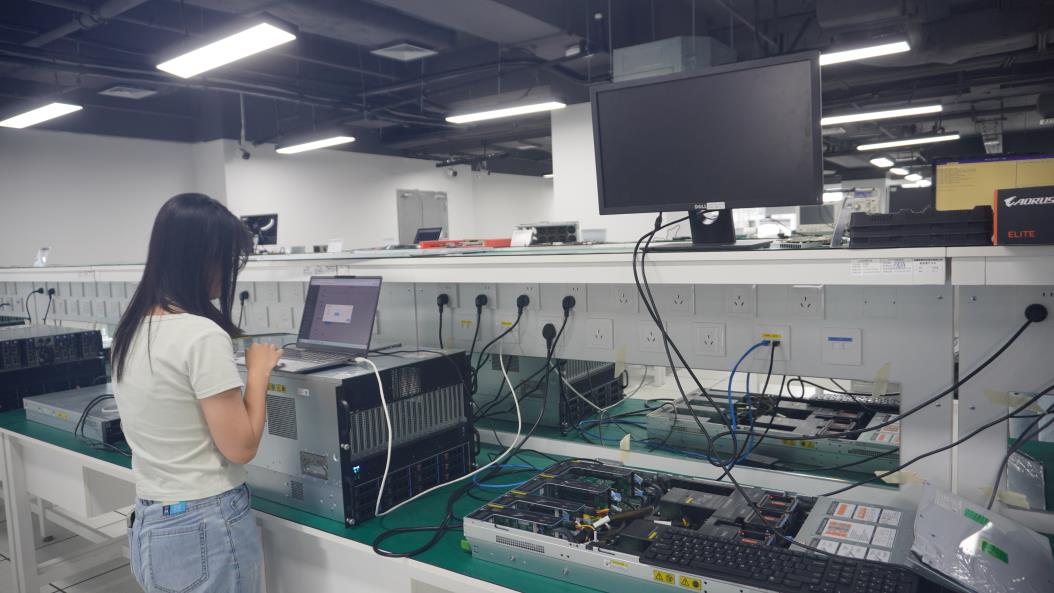
At Veltron, quality is central to all our manufacturing steps. We implement a rigorous quality management system with 56 professional quality control personnel overseeing every stage of production. All computing systems, GPU accelerators, and memory nodes undergo strict reliability testing, performance validation, thermal stress profiling, extended burn-in testing, and final QA inspection before shipment. This ensures exceptional system stability and long-term functional consistency under high continuous workloads.
Our engineering center consists of 168 experienced specialists focusing on hardware topology, GPU system integration, thermal airflow management, firmware tuning, and customized computing architectures. With strong OEM and ODM design capabilities, we provide comprehensive customization options, including chassis mechanical adjustments, custom board configurations, tailored labeling, UEFI/BIOS firmware customization, and application-specific hardware tuning to align with enterprise expectations.

Emerging methodologies addressing power density bottlenecks, advanced interconnects, and cooling requirements.
As computing requirements push power envelopes beyond 400W per accelerator, traditional forced-air setups struggle. Systems are transitioning to closed-loop liquid-to-air cooling options to manage heat and reduce fan energy consumption.
The transition to PCIe Gen5/Gen6 and DDR5 RAM memory solutions provides the required memory bandwidth for processors, helping clear memory access bottlenecks during large-scale operations.
Using global sourcing models with more than 1,200 partners enables component procurement, minimizing build-to-order delays and ensuring production stability for high-volume orders.
Deploying big data infrastructure globally requires navigating diverse technological and regulatory landscapes. Systems built for use in regions like Europe, North America, and parts of Asia must align with international compliance frameworks, including FCC, CE, RoHS, and local electrical certifications. By structuring hardware with hot-swappable components (such as redundantly designed 2000W power supplies and tool-less drive sleds), systems minimize maintenance downtime and lower the operational costs of remote data center administration.
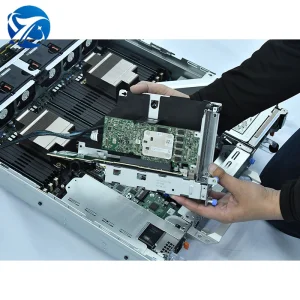
Furthermore, hardware integration must account for mixed-generation setups. For example, bridging legacy DDR4 RDIMM memory nodes with modern DDR5 platforms requires configured memory management profiles. High-throughput RAID storage controllers (like PCIe 4.0 LSI cards with multi-GB caches) help manage data flow between physical NVMe disks and memory channels, preventing data loss in the event of power irregularities.
Addressing common inquiries regarding hardware integration, cooling systems, configuration limits, and delivery pipelines.
Reliable, scalable computing architectures for deep learning training, video analytics, database virtualization, and complex networking.