Veltron
Veltron
Veltron
Advanced interconnects, accelerated GPU processing modules, and high-density liquid-cooled rackmount configurations for modern workflows.
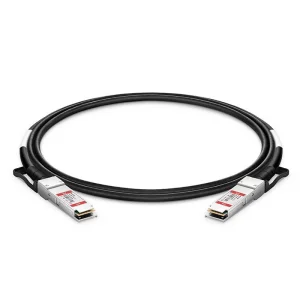 QSFP+ 10G High Speed Direct-attach Cables 3m QSFP+20M CC2P0.254B(S) QSFP-40G-CU3M Used Indoor
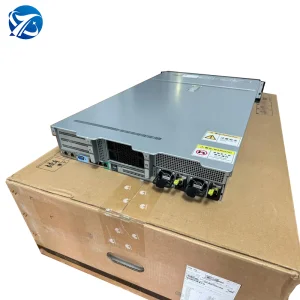
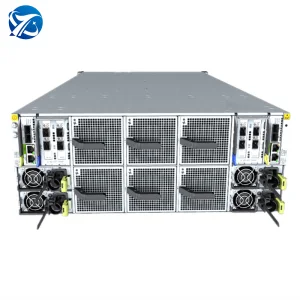 G5200 V5 GPU Server High Density Computing Node for AI Training and Deep Learning Applications
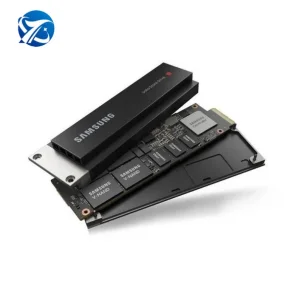 Sam Sung PM883/PM893/PM9A3/PM1643A/PM1653 240GB/480GB/960GB/1.92TB/3.84TB/7.68TB Enterprise SSD for Server
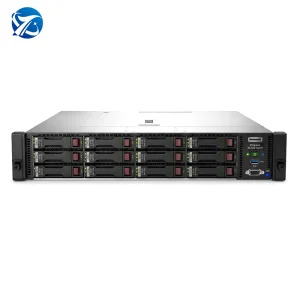 HPE ProLiant Compute DL360 Gen12 Rackmount Network Server 20EDSFF PCIe5 Liquid Cooling High-Density Servers Bulk Supply
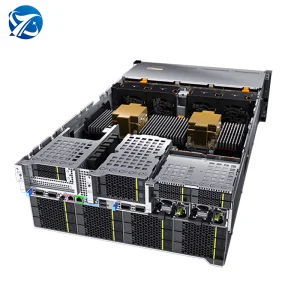
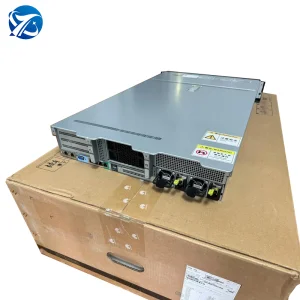 New AI Server Solutions XFusion GPU Server DDR5 64GB RAM, DeepSeek R1 671B & Container Ready Deep Learning Xeon Server
Analyzing the paradigm shift in ultra-high-definition media processing, hardware-accelerated transcoding, and cloud-edge integration.
The global digital media ecosystem is undergoing a profound structural transition. The exponential growth of ultra-high-definition (UHD) streaming, dynamic interactive broadcasting, and real-time AI-powered video analytics has transformed the demands placed on computing infrastructure. At the core of this transformation are 4K video servers, specialized computing nodes engineered to handle massive data throughput, high-concurrency decoding pipelines, and ultra-low-latency transport protocols.
In this comprehensive whitepaper, we dissect the technological design and strategic value of enterprise-grade media servers. We examine how hardware acceleration (GPUs), high-speed solid-state memory channels, and advanced networking interfaces come together to deliver seamless, uninterrupted UHD delivery under intense operational loads. As a leading manufacturer and supply chain optimizer based in Shenzhen, China, Veltron Computing Technology Co., Ltd. plays a vital role in providing the high-reliability platforms needed to sustain these modern digital pipelines.
Processing 4K content requires consistent high bitrates (often exceeding 50-100 Mbps per stream). Modern playout systems rely on zero-frame-loss, high-bandwidth bus interfaces to maintain broadcast continuity.
Modern video workflows are no longer static. Real-time AI super-resolution, dynamic translation, auto-subtitling, and DeepSeek-integrated content classification require massive parallel computing power.
By shifting transcoding processes closer to end-users via edge computing nodes, distributors can slash bandwidth consumption and drop round-trip latency to sub-second levels.
How the emergence of next-generation codecs, IP media standards, and software-defined systems are rewriting the rules of video delivery.
The landscape of media servers has moved away from proprietary, single-function ASICs toward highly customizable, commoditized COTS (Commercial Off-The-Shelf) hardware. Driven by standard x86 and ARM server architectures paired with powerful PCIe accelerators, operations are more flexible than ever. Here are the core technical movements driving this transformation:
Fixed-function SDI switchers and hardware encoders are being replaced by virtualized microservices. These systems run in containers (Docker, Kubernetes) on standard high-density servers, allowing operators to deploy, scale, and tear down processing pipelines in minutes.
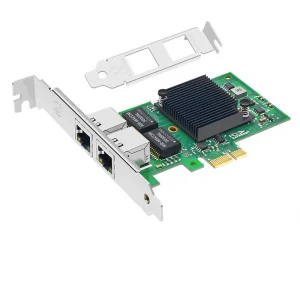
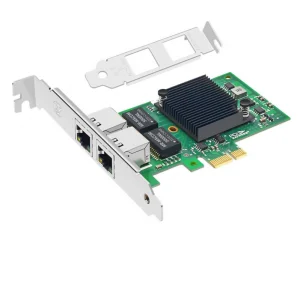
The broadcast industry is rapidly moving from SDI cabling to Ethernet networks under standards like SMPTE ST 2110 and NDI. Modern video servers require ultra-high-speed interfaces (such as 25G, 40G, and 100G smartNICs) to ingest and distribute uncompressed 4K signals.
While H.264 remains standard for legacy systems, 4K production relies heavily on H.265 (HEVC), VP9, and increasingly AV1. These advanced codecs offer up to 50% better compression efficiency but demand significantly more processing cycles, necessitating dedicated hardware-accelerated transcoding units.
A trusted global manufacturer of enterprise-grade GPU servers, high-density AI clusters, and media delivery infrastructure.
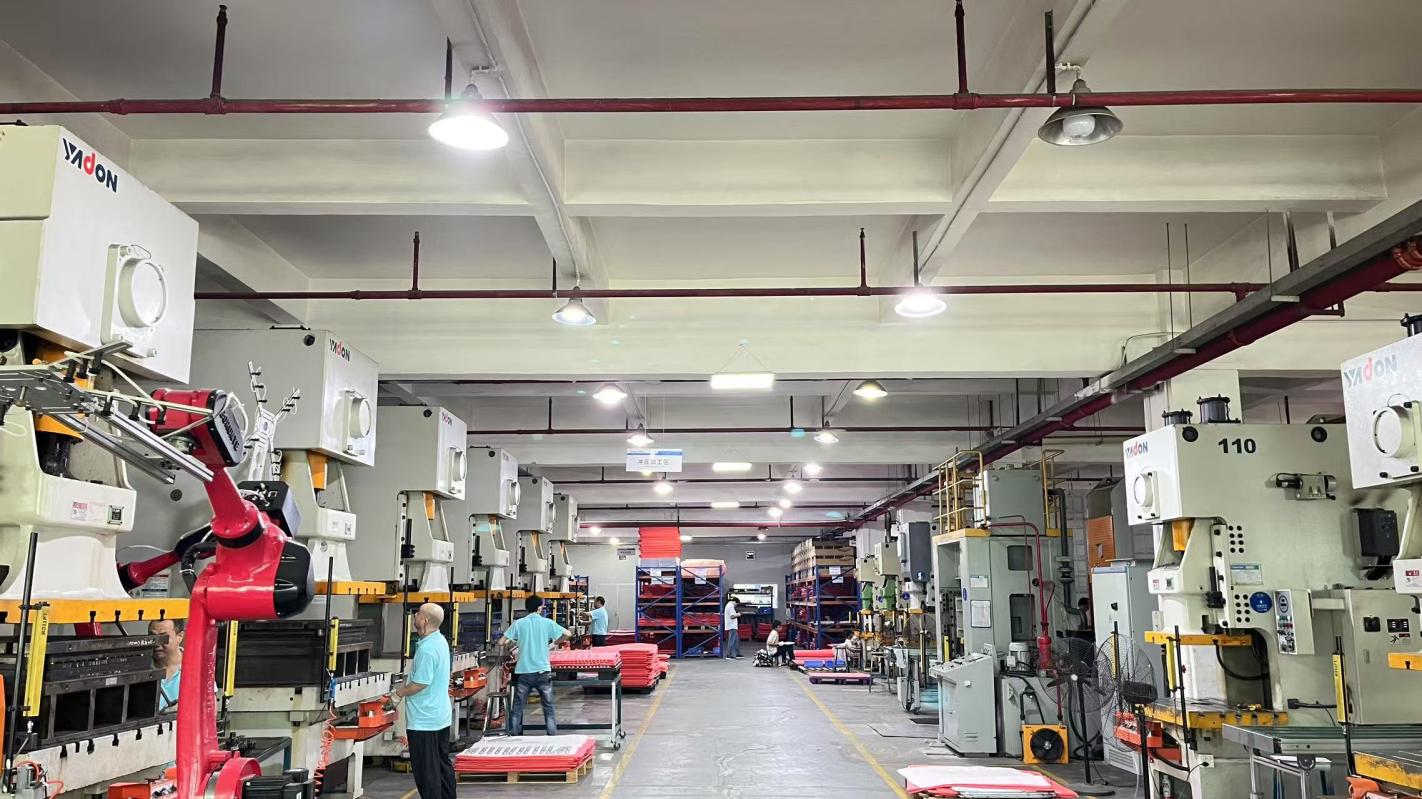
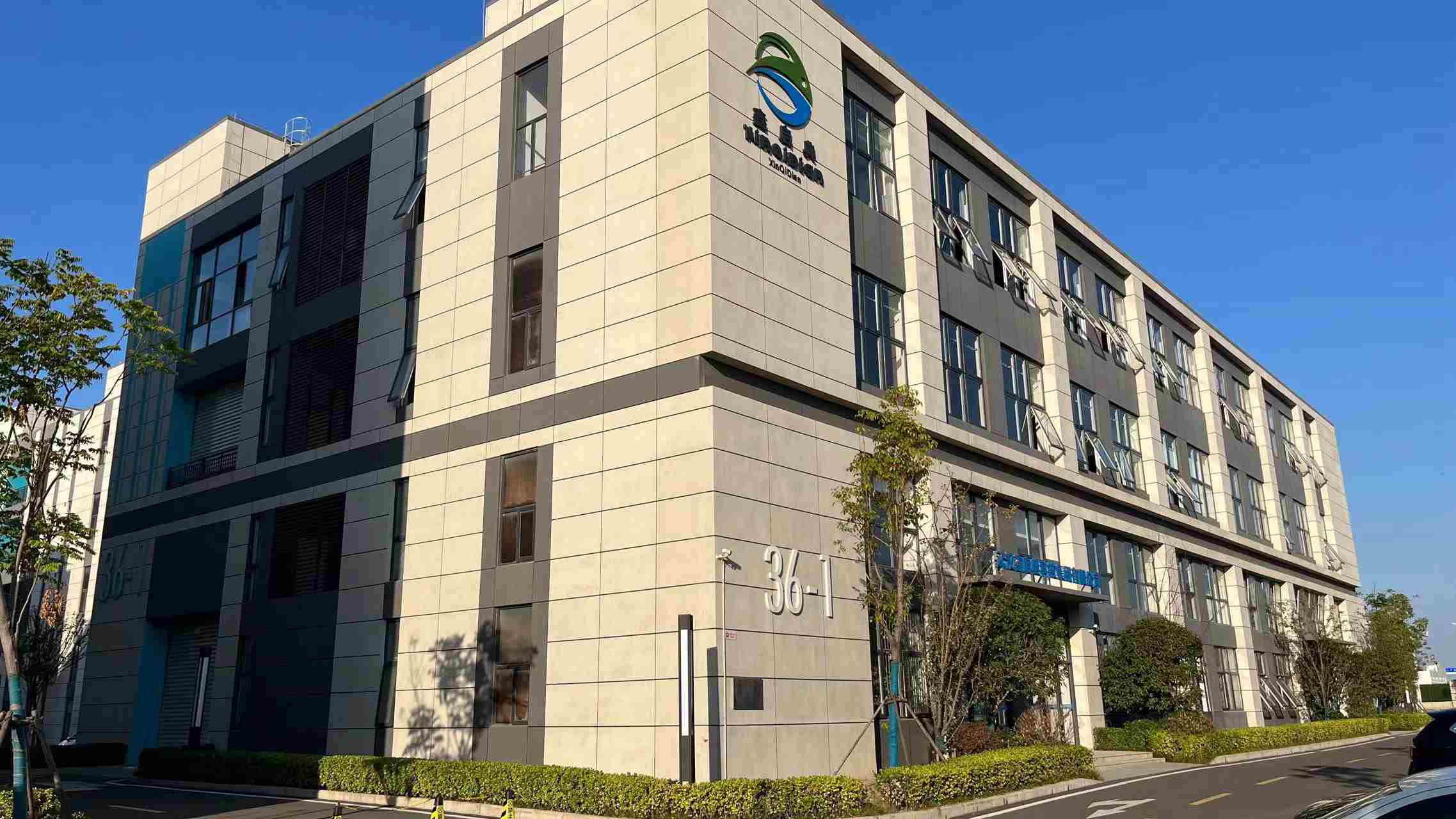
Established in 2016, Veltron Computing Technology Co., Ltd. is a specialized developer and manufacturer of advanced server systems. Operating from a state-of-the-art facility in Shenzhen, China, Veltron produces hardware engineered to support intensive computing needs. Our systems are optimized to power data centers, deep learning workloads, global CDN architectures, and high-density 4K/8K video processing environments.
We pride ourselves on manufacturing reliability. By maintaining deep strategic partnerships with over 1,200 supply chain leaders, we ensure access to top-tier processors, memory modules, enterprise storage, and network controllers. From multi-GPU servers optimized for real-time video analytics to scalable storage nodes that stream UHD files without bottlenecks, Veltron delivers performance our clients can depend on.
Critical engineering considerations, system throughput benchmarks, and investment criteria that guide large-scale deployments.
Enterprise IT directors, CDN system architects, and broadcast procurement managers look for specific, proven technical traits when purchasing video server hardware. Selecting the right hardware is a balance of immediate performance, long-term scalability, and optimized Total Cost of Ownership (TCO). When evaluating hardware options, top engineering teams focus on key areas:
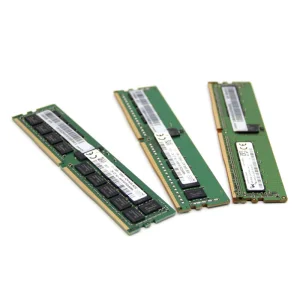
Processing concurrent streams of uncompressed 4K video requires massive internal bus speeds. Transitioning to PCIe Gen 5.0 slots enables high-speed networking and GPU communications to run at peak capacity. Additionally, using multi-channel DDR5 RDIMMs ensures memory access does not bottleneck high-resolution video streams.
Legacy SATA and SAS hard drives struggle with the read/write speeds required for multiple concurrent 4K playout channels. High-capacity enterprise NVMe SSDs (ranging up to 7.68TB or 15.36TB per drive) deliver the high read speeds, low write latency, and long-term durability (measured in Drive Writes Per Day, or DWPD) required for continuous playback loops.
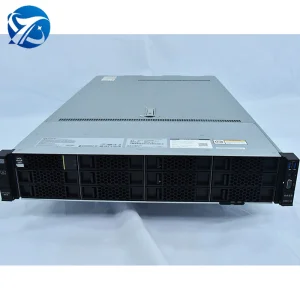
Relying solely on system CPUs for software transcoding limits channel density and spikes energy costs. Modern solutions integrate dedicated GPUs or high-efficiency media processing cards. Using hardware-accelerated encoding blocks allows a single 2U rack server to process dozens of 4K streams simultaneously.
Deploying tailored media infrastructure to address the unique challenges of modern content delivery pipelines.
For large-scale media distribution, minimizing stream latency while maintaining picture quality is vital. Modern media servers support live transcodes of H.264, H.265, and AV1 formats. They deliver content over low-latency HLS, DASH, and SRT formats to millions of end-user devices, keeping buffering to a minimum.
Live event production requires absolute hardware stability. Media servers with hot-swappable dual power supplies, redundant network interfaces, and robust hardware-level RAID arrays ensure broadcasts remain online under any circumstances.
For modern smart infrastructure, industrial process auditing, and automated media tagging, servers must ingest high-resolution camera feeds and process them using machine learning models in real time.
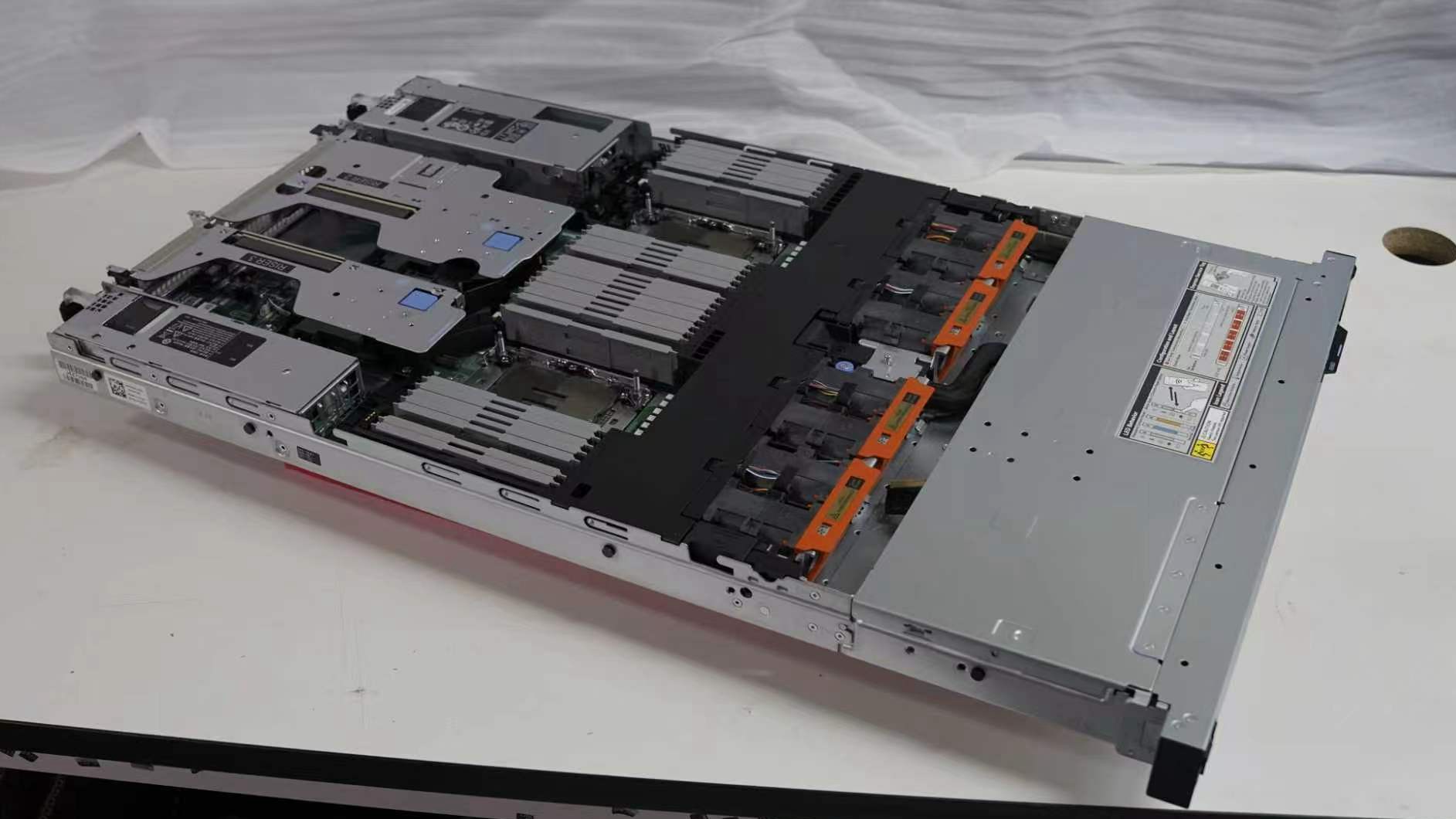
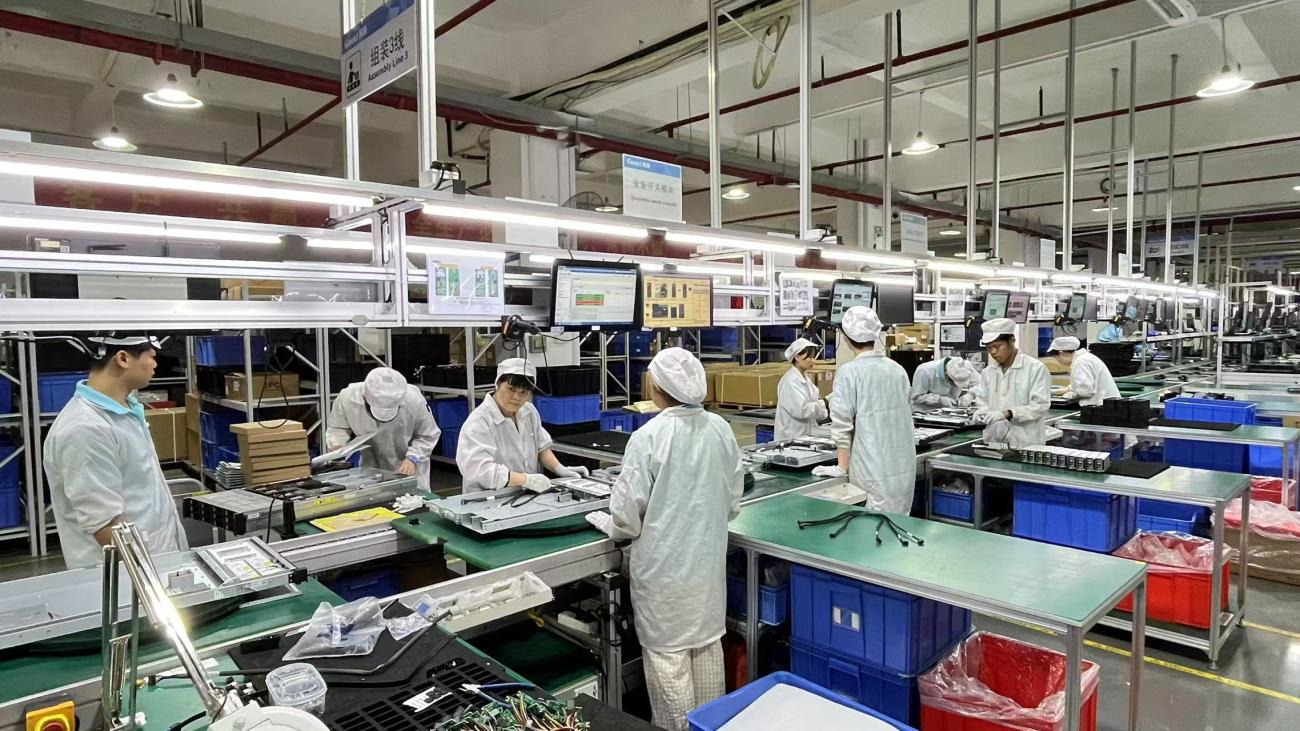

Ensuring system stability, manufacturing consistency, and compliance with major international standards.
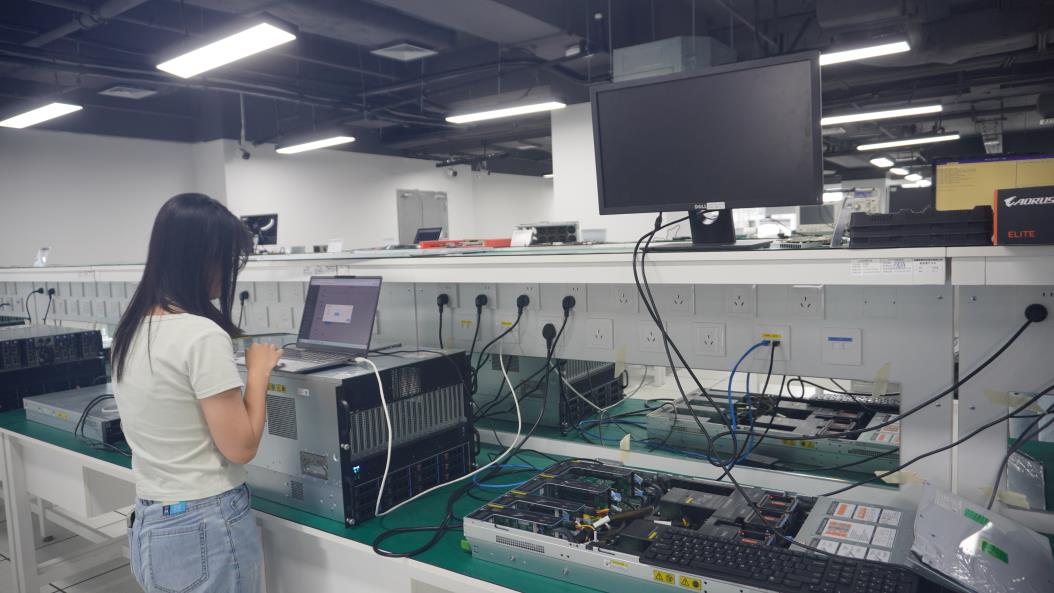
Operating a global infrastructure footprint demands high standards of regulatory compliance and product quality. Veltron implements strict quality control measures across our entire manufacturing workflow. We employ 56 quality control specialists who monitor every assembly phase:
Our collaborative partnerships with over 1,200 suppliers ensure access to reliable components, shield our production schedules from unexpected market shortages, and keep delivery times predictable for our customers worldwide.
Whether you are ordering standard 1U rack servers or custom liquid-cooled computing platforms, our integrated supply chain enables rapid production, configuration, and shipping.
Preparing for the next wave of high-definition video distribution, liquid-cooled data centers, and advanced interconnect standards.
As CPU and GPU thermal designs exceed 350W-400W per chip, traditional air cooling is reaching its physical limits. Next-generation servers utilize closed-loop liquid cooling systems to maintain optimal operating temperatures while reducing data center energy usage.
Future motherboard designs are incorporating PCIe Gen 6.0 and Compute Express Link (CXL) architectures. These technologies provide shared memory access between host CPUs and accelerator cards, dramatically reducing latency in real-time video transcode loops.
Integrating machine learning directly into video encoders allows servers to adaptively adjust compression ratios based on real-time screen complexity. This saves up to 30% in CDN distribution bandwidth without compromising visual clarity.
Expert answers to common architectural, hardware, and integration questions for media server projects.
Complete your deployment with rackmount servers, boot arrays, storage systems, and compatible network components.
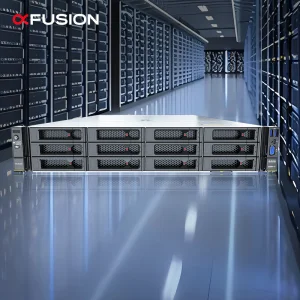 Server 2288H V7 Servers Computer Nas Storage Pc Gpu And Buy Workstations Web Devices Ssd Networks Rack Xeon Server
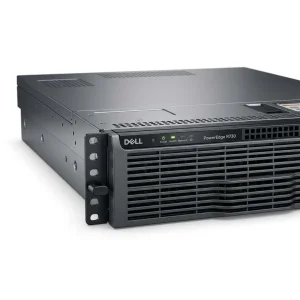
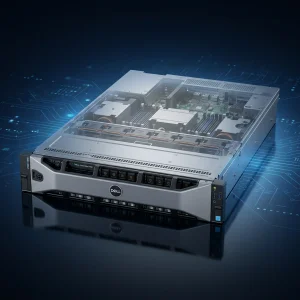
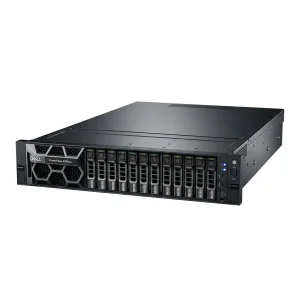 Dell PowerEdge R760XS 2U Rack Server Intel 4th Gen Scalable Solution for Russia Virtualized IT
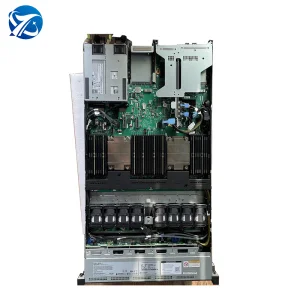 FusionServer 1288H V7 Servers Computer Nas Storage Pc Gpu And Buy Workstations Web Devices Ssd Networks Rack Xeon Server