Veltron
Veltron
Veltron
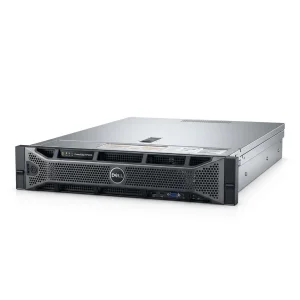
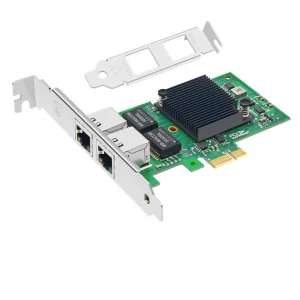
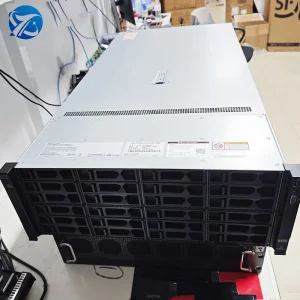


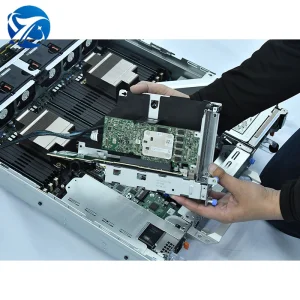
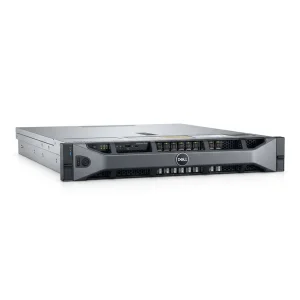
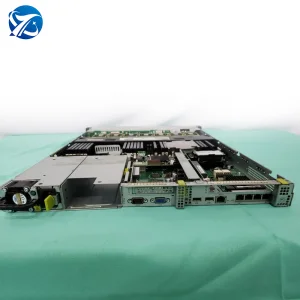
Established in 2016 in Shenzhen, China, Veltron Computing Technology Co., Ltd. stands as a premier designer, manufacturer, and global exporter of high-performance GPU servers, AI compute instances, and custom virtualization infrastructures. With a modern, highly specialized production hub spanning over 3,800 square meters, Veltron merges state-of-the-art manufacturing lines, robust thermal validation testing environments, and customized hardware engineering to cater to global enterprises.
By supporting a broad network of over 1,200 supply-chain partners, Veltron manages component procurement, board-level testing, and complete system builds with maximum responsiveness. This localized dominance in Shenzhen allows Veltron to support complex projects spanning North America, Europe, Southeast Asia, South America, and the Middle East, reaching over USD 18 million in annual export revenues.
Architecting hardware capable of executing low-latency container orchestration, legacy hypervisor virtualization, and dense AI training configurations simultaneously.
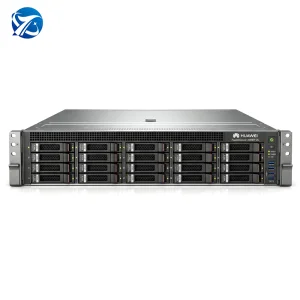
Deploy high-density 1U and 2U computing nodes featuring multi-core architecture, enabling flexible allocation of Virtual Machines (VMs), rapid provisioning, and efficient memory overcommit handling for tier-1 service providers.
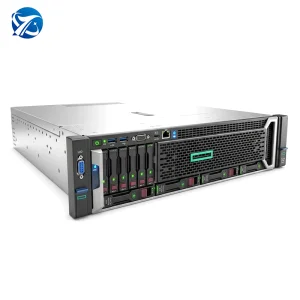
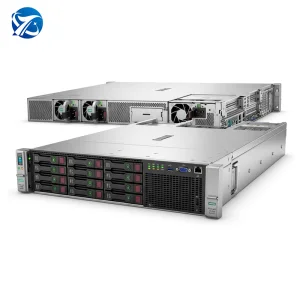
Reorganize fractured office workloads into highly centralized 4-Socket mission-critical database platforms. Our solutions support robust RAID redundancy and high write-endurance caching for transactional enterprise applications.
Extend reliable hardware to Remote Office/Branch Office (ROBO) sites and automated factories. These platforms utilize short-depth server nodes that handle virtualization overhead locally while ensuring remote telemetry sync.
Virtualization is no longer limited to basic CPU partitioning via a hypervisor. The modern virtualization ecosystem demands hardware co-design where processing speed, PCI Express lanes, non-volatile storage access, and accelerators cooperate to minimize performance overhead. Let's analyze the technical foundations of modern virtualized environments:
"Information Gain in Hardware Architecture: Supplying high-density virtualization setups requires a balance of thermal distribution, PCIe bandwidth management, and localized hardware root of trust. Veltron designs custom BIOS/UEFI implementations to optimize NUMA node affinity, ensuring virtual environments suffer near-zero latency degradation."
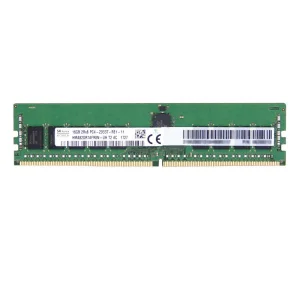
For virtualization hosts running multiple operating systems, managing physical memory is a primary bottleneck. Our multi-core processing architecture incorporates hardware-assisted virtualization enhancements (including Intel VT-x and AMD-V). These extensions support Nested Page Tables (NPT) and Extended Page Tables (EPT), reducing CPU overhead when translation lookaside buffers (TLBs) map virtualized addresses. Furthermore, configurations supporting up to 8TB of high-speed DDR5 memory prevent bottlenecking when hosting resource-intensive software stacks.
Single Root I/O Virtualization (SR-IOV) bypasses hypervisor involvement by allowing a physical PCIe device—like a high-bandwidth Network Interface Card (NIC)—to present itself as multiple independent virtual functions. This hardware-level separation drops the networking latency in software-defined networking (SDN) topologies from milliseconds to microseconds. When paired with high-performance network controllers, our physical systems route traffic directly to the virtual machine memory, preserving CPU cycles for processing.
The rise of large language models (LLMs) and deep learning frameworks like DeepSeek necessitates distributed GPU virtualization. High-density GPU rack servers configured by Veltron utilize advanced GPU division technology, allocating fractions of physical GPU resources to independent VMs. This configuration supports parallel execution of training and inference pipelines without inter-VM data leakage.
Exporting complex hardware across international boundaries requires strict adherence to certifications, safety regulations, and supply chain constraints. Veltron provides complete regulatory transparency for global distribution:
Our Shenzhen facilities employ advanced QA testing pipelines to ensure hardware reliability before shipping overseas.
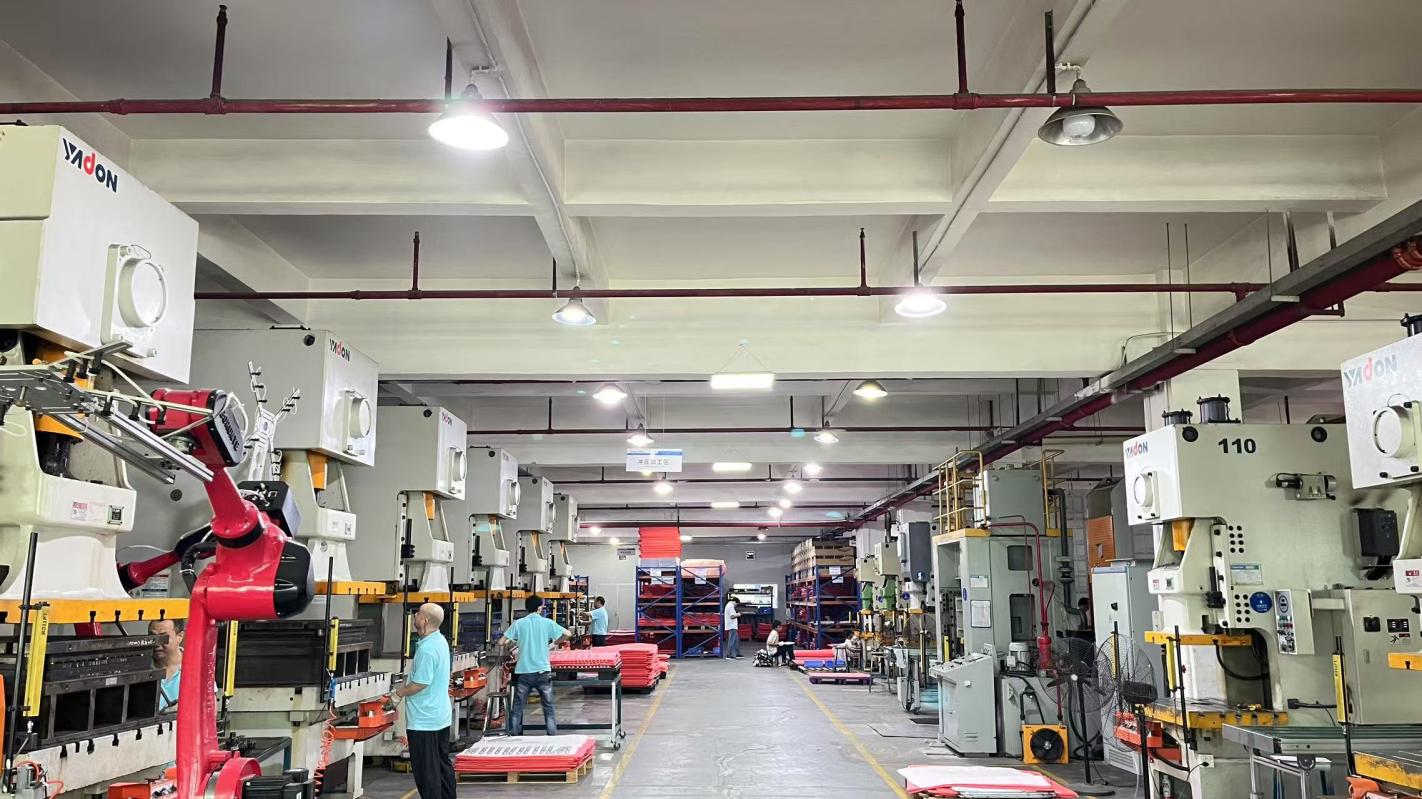
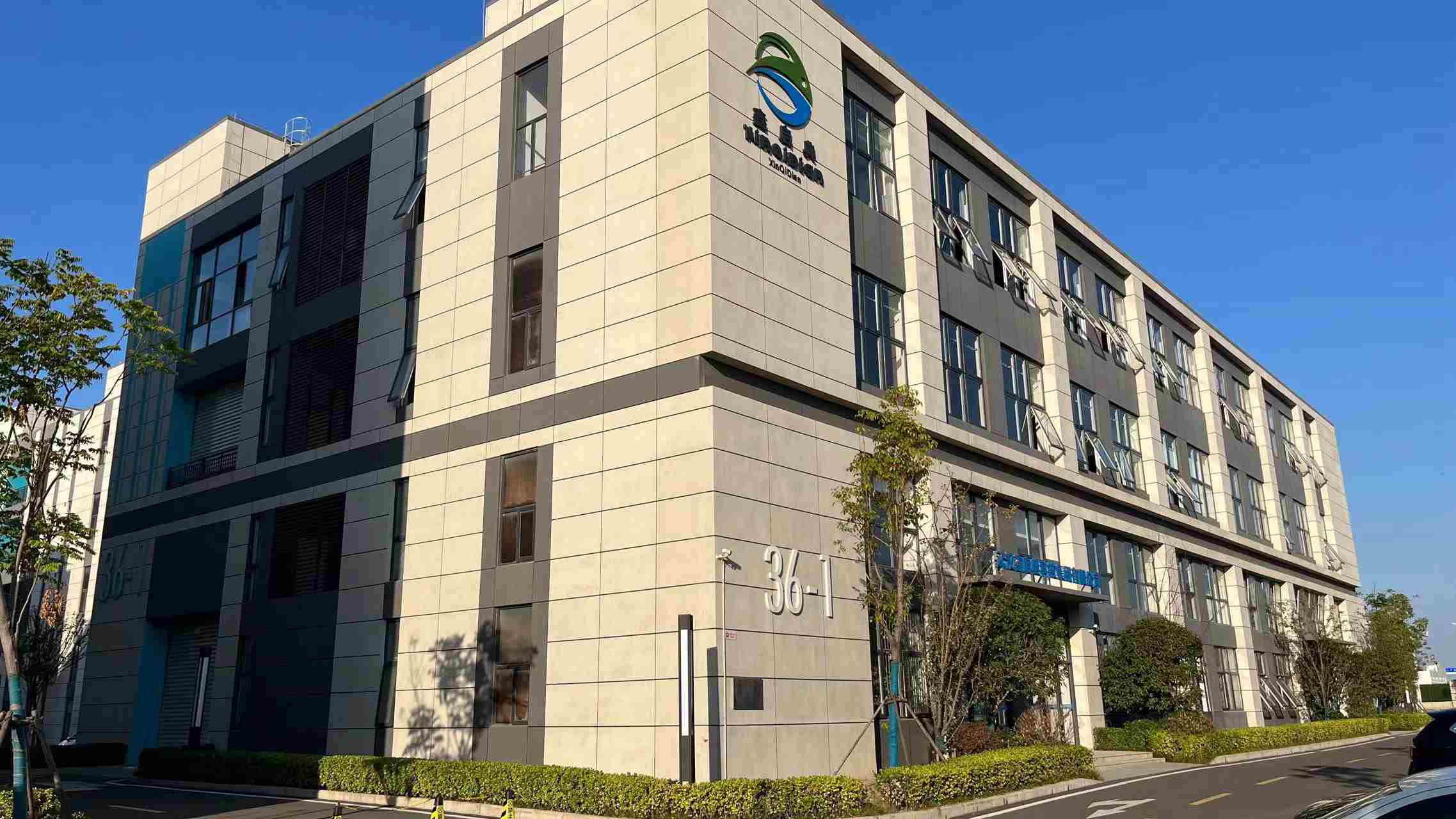
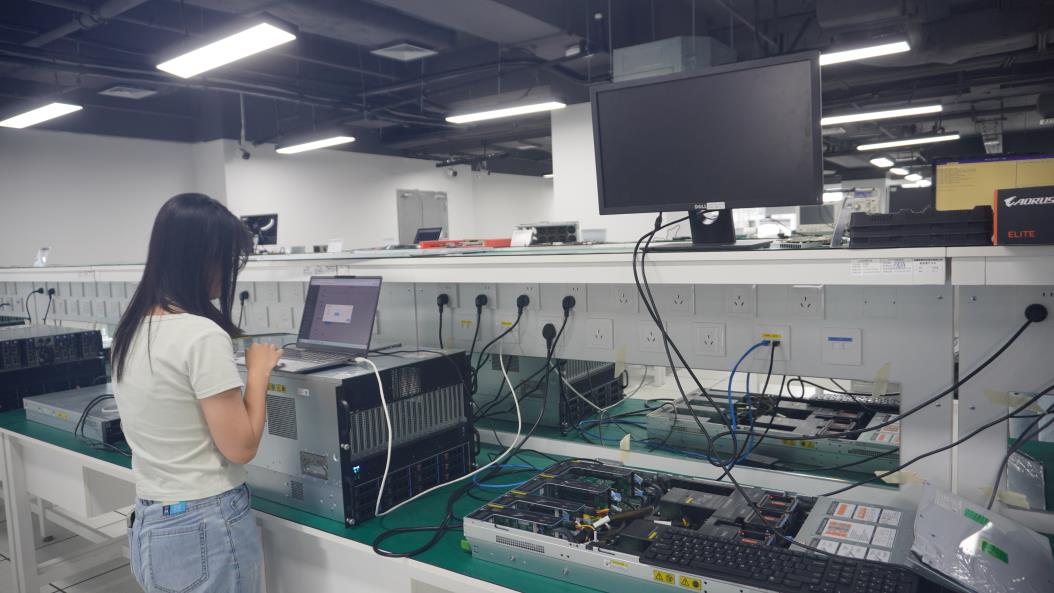
Architectural shifts driving server manufacturing advancements, hardware optimization, and software orchestration integration.
Transitioning virtual memory architectures from local host pools to dynamic disaggregated resource groups, decreasing RAM overhead and lowering hardware acquisition costs.
Offloading CPU virtualization overhead by running storage translation layers, security protocols, and SDNs directly inside dedicated Data Processing Units (DPUs).
Mitigating heat density from multi-GPU configurations and multi-core processors. Deploying direct-to-chip liquid cooling systems to maintain optimal temperatures.
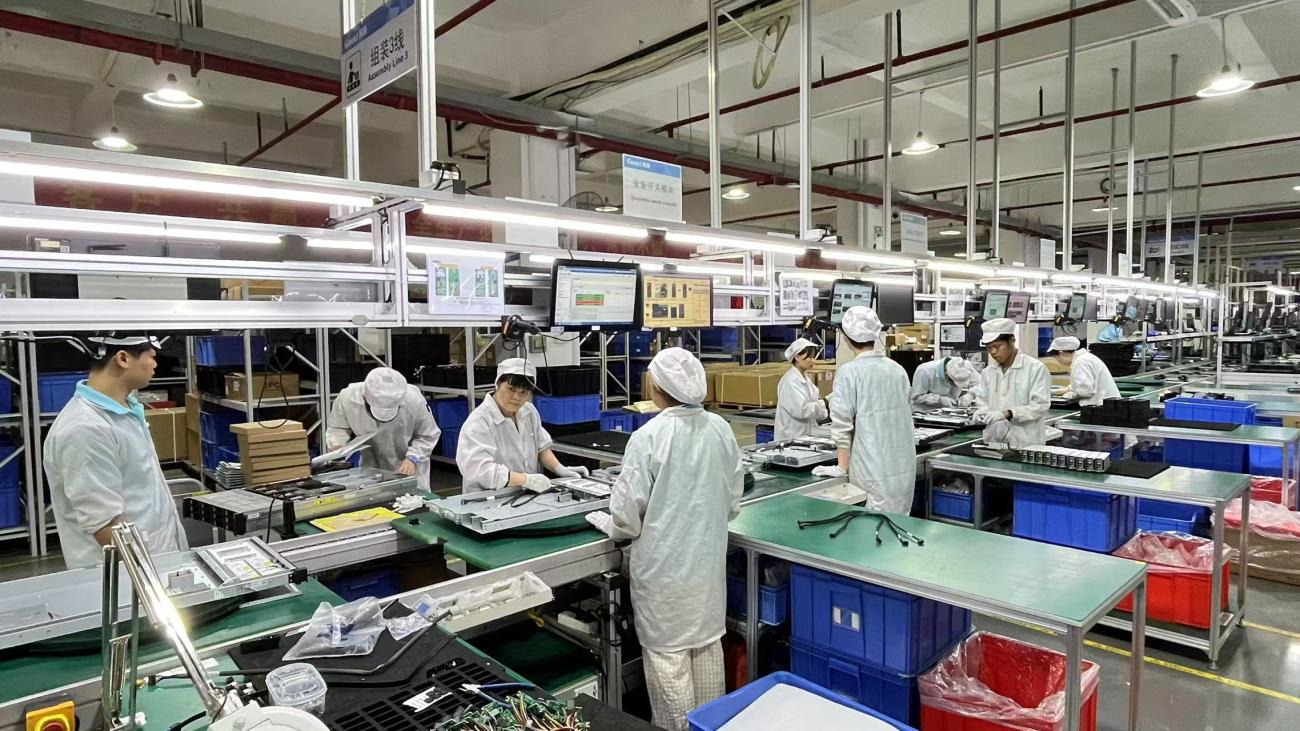

Addressing core technical questions from IT administrators, purchasing directors, and system integrators regarding global deployment.