Veltron
Veltron
Veltron
Deploy high-performance systems with enterprise components tested in our modern Shenzhen laboratories.
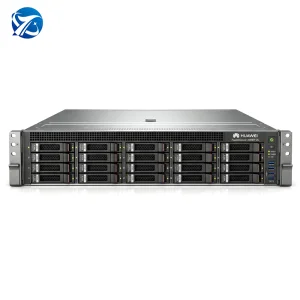
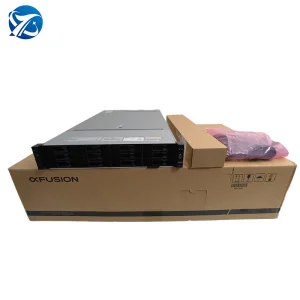
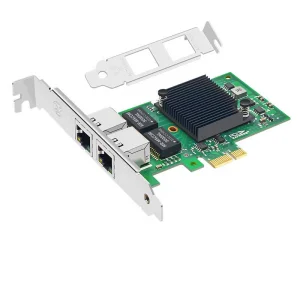
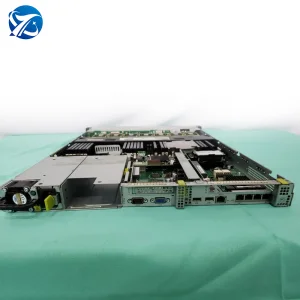
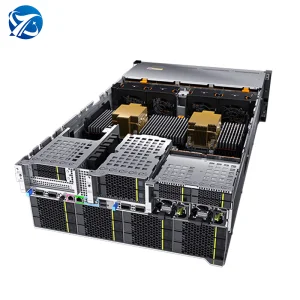
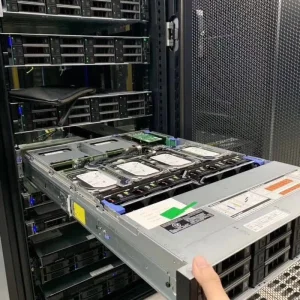
In an era defined by rapid computational transformations—such as the deployment of massive Large Language Models (LLMs) like DeepSeek, Llama-3, and proprietary enterprise neural networks—the reliance on highly compliant, thermally stable hardware is paramount. For hyperscalers, global data centers, and enterprise IT operations, securing computing equipment from a CE Certified Supply Chain Management Factory & Supplier is not merely a checkbox parameter; it is a foundational component of hardware stability, compliance, and long-term risk mitigation.
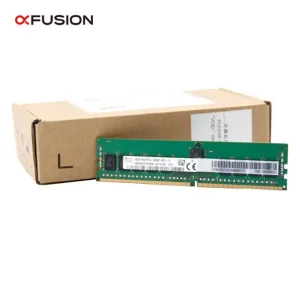
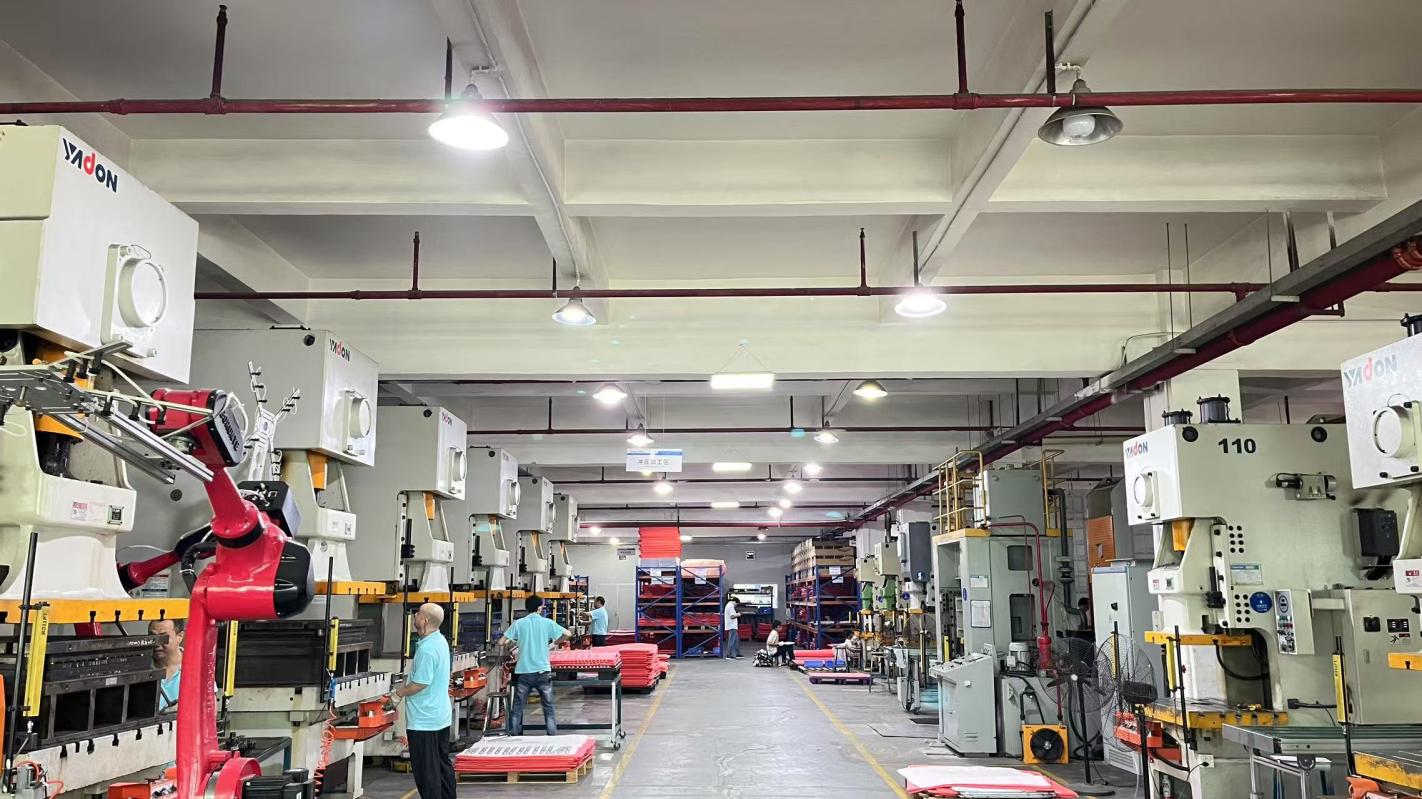
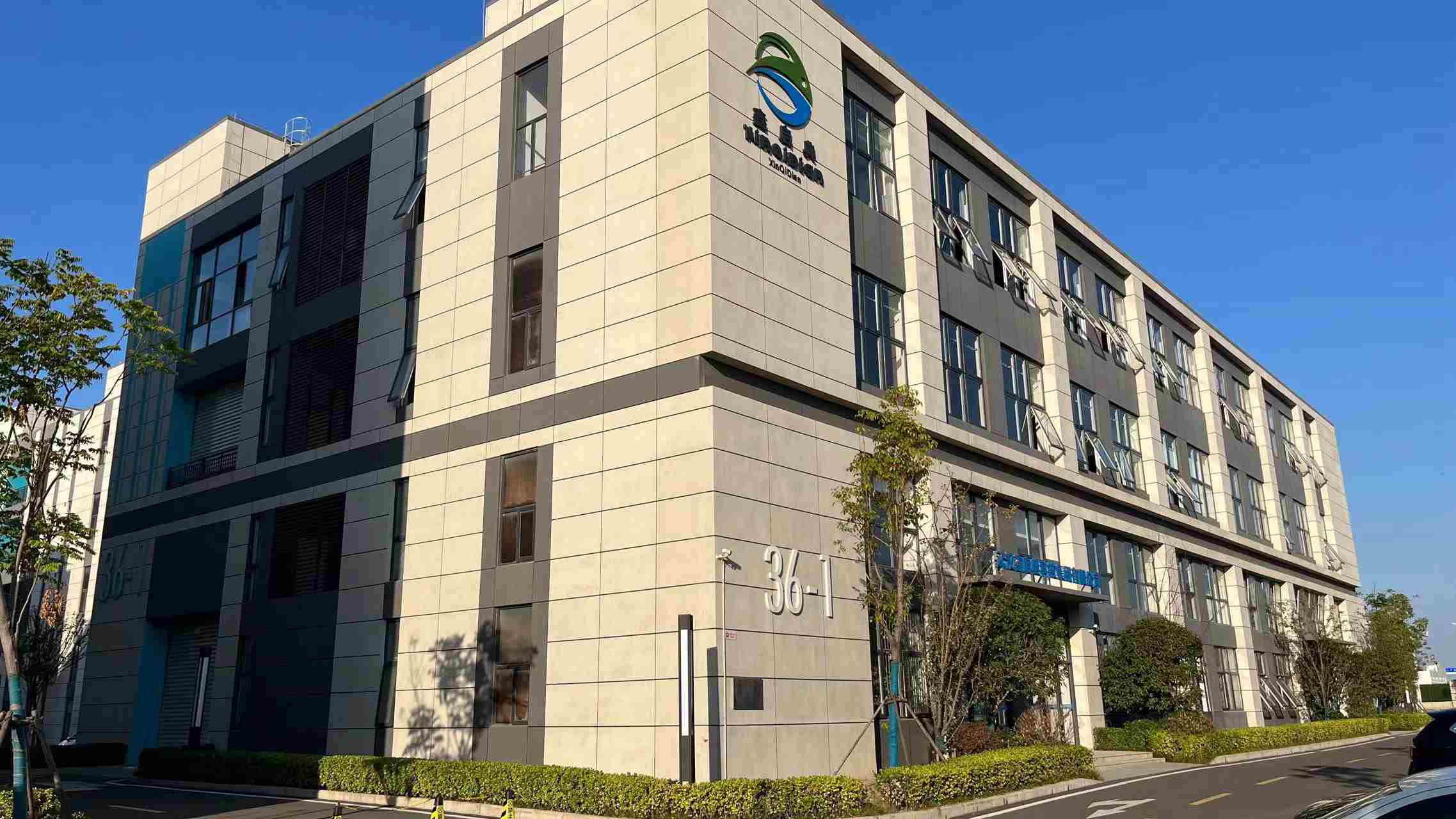
As a premier global supplier of high-density GPU servers, high-performance computing nodes, and advanced memory modules, Veltron Computing Technology Co., Ltd. represents the pinnacle of Chinese high-tech manufacturing capability. Since our establishment in 2016 in Shenzhen, China, we have cultivated a robust production model that integrates advanced Research & Development with global quality standards. Operating a state-of-the-art facility covering over 3,800 square meters, Veltron ensures that every component—from standard ECC RDIMMs to complex multi-socket, 4U liquid-cooled GPU enclosures—conforms strictly to the standards required for international deployment.
The CE mark signifies compliance with health, safety, and environmental protection standards for products sold within the European Economic Area (EEA). However, in server computing, CE validation reaches deeper. It verifies Electromagnetic Compatibility (EMC) to prevent data corruption from electrical noise, low voltage safety directives (LVD), and strict thermal and fire safety compliance in high-power consumption configurations exceeding 2000W per PSU.
Deploying servers on a global scale requires an agile manufacturing ecosystem that can quickly adapt to changing market requirements. Shenzhen stands as the world's most complete and efficient cluster for electronic components and server computing hardware. This localized concentration offers several key advantages to global purchasers:
Direct proximity to core semiconductor components, advanced multi-layer PCBs, and state-of-the-art thermal interfaces reduces prototyping lead time from weeks to days.
Access to professional testing labs for signal integrity, electromagnetic interference, and thermal cycling at a fraction of the cost of other manufacturing hubs.
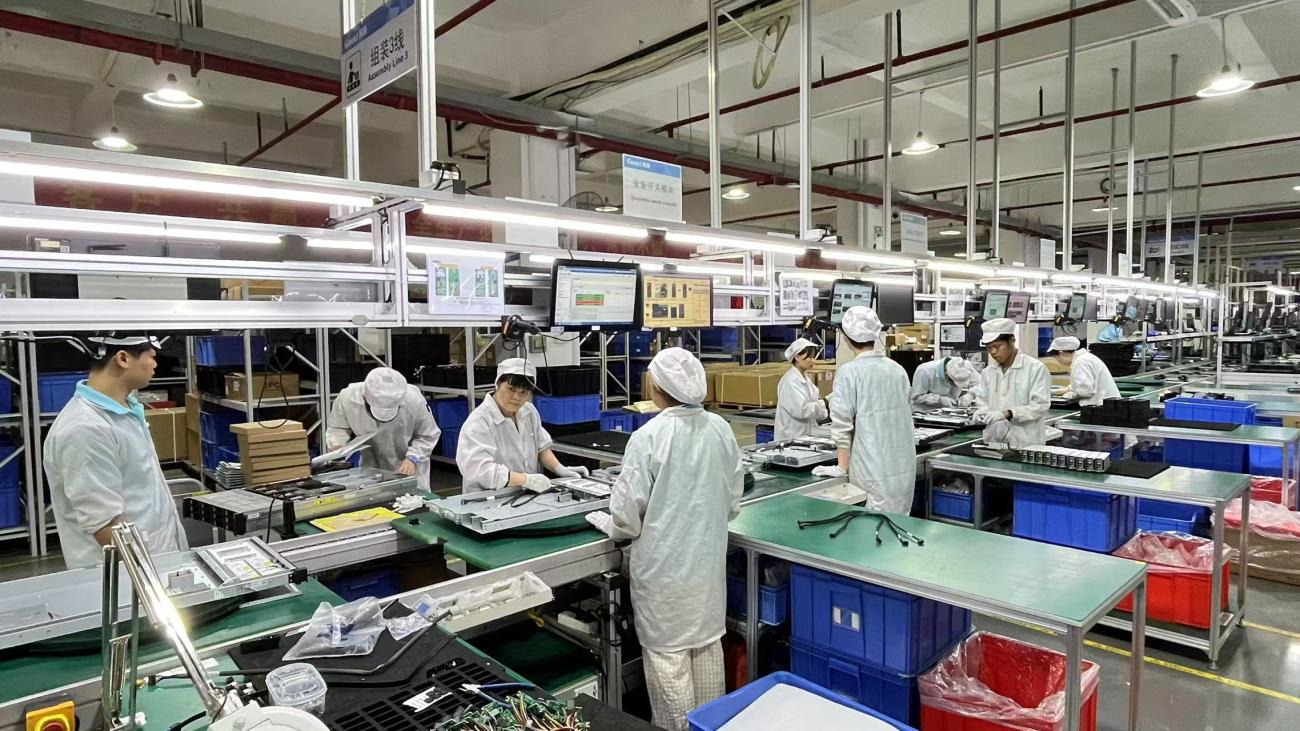
Flexible assembly lines capable of handling both low-volume OEM customizations and high-volume datacenter rolling infrastructure deployments with equal quality standards.
Veltron leverages this ecosystem through strategic partnerships with more than 1,200 verified supply chain partners. This broad network guarantees component availability, insulates our production capacity from geopolitical fluctuations, and ensures that we obtain premium tier-1 silicon components, capacitors, memory dies, and chassis components at highly competitive prices.
Quality and dependability are the cornerstones of Veltron’s manufacturing philosophy. Our production facility employs 56 professional quality control personnel who oversee every stage of the manufacturing process. This structured workflow is designed to prevent failures, prolong MTBF (Mean Time Between Failures), and guarantee out-of-the-box system stability:
The global server market is shifting toward localized, workload-optimized configurations. Organizations are moving away from generic off-the-shelf servers toward specialized computing platforms:
Veltron's products serve critical business and technological initiatives globally. Our engineering and integration capabilities address diverse enterprise configurations:
Empowering large-scale database operations and ERP solutions (like SAP HANA) using 4-socket, high-memory capacity systems like the 2488H V5, ensuring low-latency query performance and zero-downtime database mirrors.
Delivering server configurations optimized for multi-GPU arrays. These systems handle complex model training, large dataset computation, and fast deployment environments for high-throughput model inferencing.
Deploying specialized servers at the network edge for real-time video analytics, smart city sensors, and localized computing pipelines that require robust physical protection and reliability.
Purchasing high-performance computing hardware on the global stage presents complex challenges, ranging from regulatory compliance to technical specification alignments. Veltron addresses these challenges through proactive services:
Our dedicated R&D center is staffed by 168 experienced engineers specializing in server architecture, thermal dissipation, GPU integration, and firmware configuration. We support comprehensive OEM/ODM demands, allowing system integrators and distributors to customize BIOS settings, chassis branding, and physical layout structures. We release over 85 new product designs and upgrades annually, helping our partners deploy up-to-date technologies.
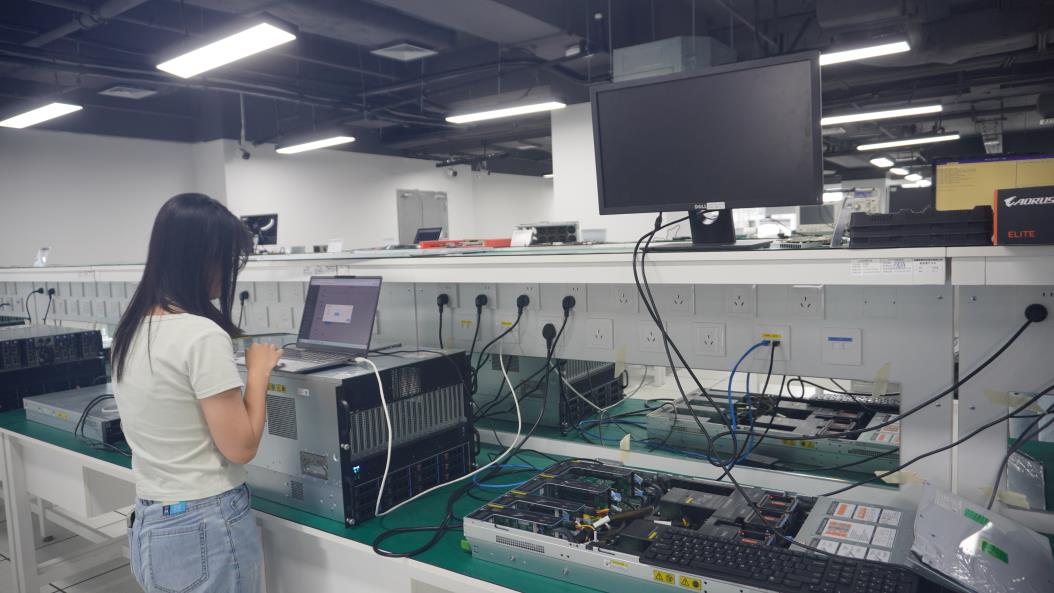
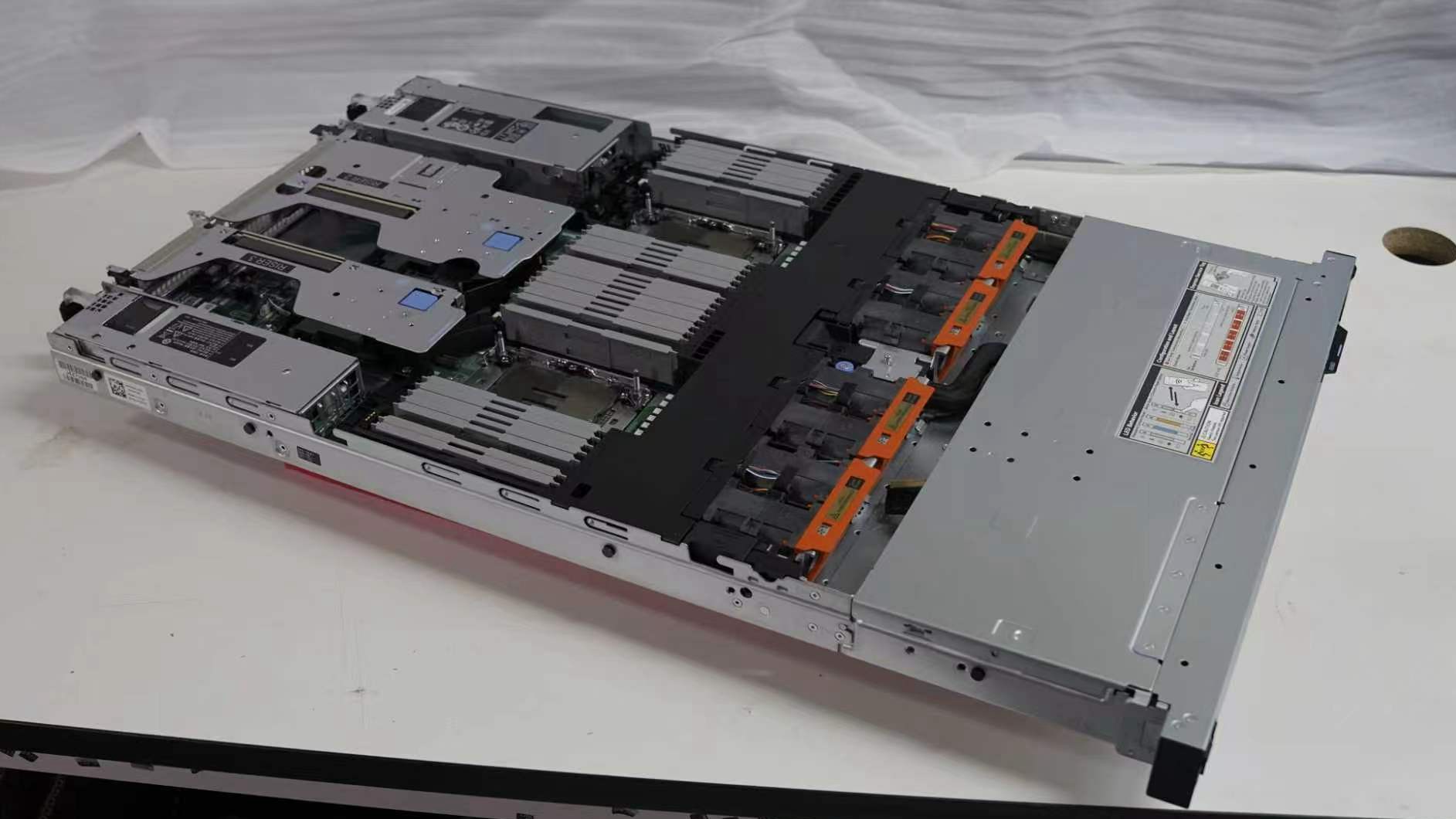
Explore our production floors, high-capacity warehousing, and professional system verification labs.

Detailed technical answers to common questions about global enterprise deployments.
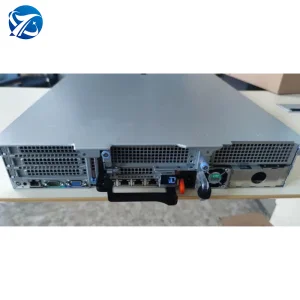
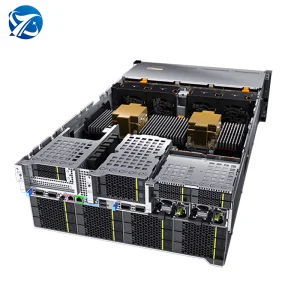
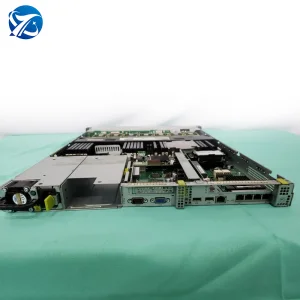
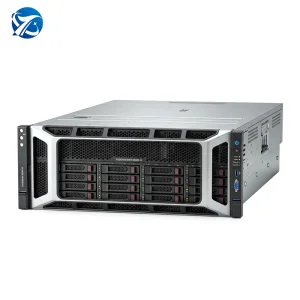
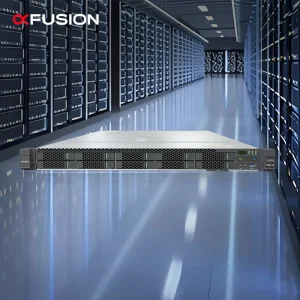
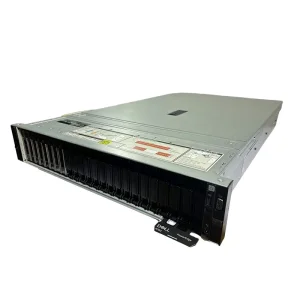
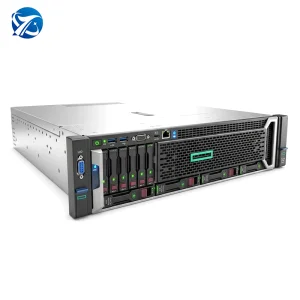
Select from our range of 4U, 2U, and 1U enterprise solutions designed for heavy computational workloads.