Veltron
In today's rapidly evolving tech landscape, the role of a rackmount AI server manufacturer is crucial. These manufacturers specialize in producing high-density servers designed to maximize performance and efficiency. They cater to businesses looking for robust solutions in data processing and artificial intelligence workloads.
A quality rackmount AI server combines power with space-saving designs. Businesses can gain significant benefits from these systems. They enable seamless scalability, essential for companies that anticipate growth. Furthermore, enhanced cooling solutions ensure that these servers maintain optimal performance even under heavy loads.
However, not all manufacturers provide the same level of reliability. With diverse options available, choosing the right rackmount AI server manufacturer is vital. Potential users must assess their specific needs and long-term goals. By doing so, they can avoid costly mistakes and ensure sustainable operations for their AI projects. This careful consideration is essential in a time when technology decisions can profoundly impact business success.
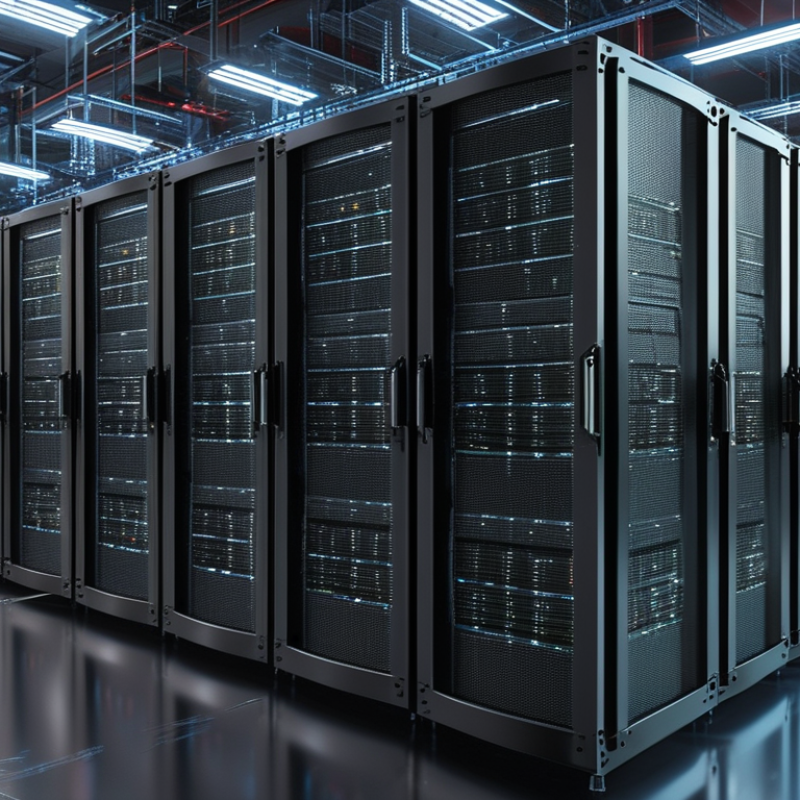
Rackmount AI servers stand out due to their unique design. These servers are compact and efficient, fitting into standard server racks. This design gives organizations flexibility in space management. Proper airflow and cooling systems are usually integrated, preventing overheating during intensive tasks. The modular nature allows for easy upgrades.
One key benefit of rackmount AI servers is their scalability. Businesses can start small and expand as needed. However, this scalability can lead to over-commitment. Companies might invest heavily at the start, only to find their requirements change. It's essential to plan accordingly.
The architecture of these servers often emphasizes performance. Many boast high processing power suitable for AI applications. But this performance can vary, and users must choose models based on specific AI tasks. Performance can sometimes fall short if not matched with the right infrastructure. Understanding these nuances is crucial for making informed choices. Overall, while rackmount AI servers offer many advantages, they require thoughtful consideration and planning.
Rackmount AI server manufacturers play a crucial role in the AI landscape. They design servers that optimize space and improve performance. Their products are engineered to handle intense workloads, ensuring efficiency in data processing. A well-constructed rackmount AI server can streamline operations, saving precious resources.
Key features of these manufacturers include advanced cooling systems. Proper cooling prevents overheating, which can lead to hardware failures. Another significant aspect is scalability. As AI applications grow, so should the server capacity. This flexibility allows companies to adapt to changing needs without overhauling their infrastructure.
Reliability is essential in this space. High-quality components and rigorous testing ensure that servers perform consistently. However, not all manufacturers are equal. Some may cut corners, impacting longevity and performance. It’s vital for users to research and consider reviews and case studies. This approach guarantees a more informed investment in technology that drives progress in AI.
| Feature | Description |
|---|---|
| Scalability | Rackmount AI servers can be easily scaled to accommodate increased computational needs by adding more units. |
| Cooling Efficiency | Designed for optimal airflow and cooling capabilities, ensuring stable performance under heavy loads. |
| Cost-Effective | Rackmount servers often provide better performance-per-dollar compared to traditional servers. |
| High Density | Allows for more servers to be installed in a single rack, maximizing space usage within server rooms. |
| Integrated Management Tools | Often includes built-in management solutions for easy monitoring and control of resources. |
| Modular Design | Supports a modular architecture, enabling the replacement or upgrade of components without major disruptions. |
Rackmount AI servers have become a game-changer for businesses aiming to harness the power of artificial intelligence. According to a report by MarketsandMarkets, the global AI server market is projected to grow from $3.2 billion in 2020 to $17.5 billion by 2026. This rapid growth underscores the critical need for efficient and scalable hardware solutions. Rackmount AI servers streamline data management and increase processing capabilities, which are essential for data-intensive applications.
Selecting rackmount AI servers provides flexibility and scalability. They can be easily integrated into existing data centers, maximizing space and efficiently handling workloads. A survey revealed that 72% of IT decision-makers prioritize server scalability in their data infrastructure. However, it's important to acknowledge the potential for misconfiguration in integrated systems. This can lead to performance bottlenecks, which may hinder the overall benefits of AI adoption.
Adopting rackmount solutions allows businesses to customize their setups based on specific needs. These servers can efficiently handle machine learning tasks and large data sets, boosting productivity. However, organizations must invest time in training staff to manage these advanced systems effectively. Failure to do so can result in underutilization of resources, limiting the return on investment. Balancing technological advancement with human capability is key to maximizing the benefits of rackmount AI servers in today's competitive landscape.
Rackmount AI servers offer numerous advantages over traditional servers. They are designed for optimal space utilization and scalability. Data from a recent report by Mordor Intelligence indicates that the AI server market is projected to grow by over 30% in the next five years. This growth aligns with the increasing adoption of AI technologies across various industries.
Rackmount AI servers are particularly effective for data-heavy tasks. They often come with enhanced cooling systems, which is crucial for maintaining performance during intense computing tasks. In contrast, traditional servers can struggle under similar loads, leading to potential downtimes. Additionally, many organizations report that rackmount designs reduce operational costs due to improved energy efficiency.
Tip: Consider the workload of your AI applications when selecting server types. A mismatch could lead to inefficiencies. Explore how rackmount models can better align with growth plans.
Overall, while traditional servers still have their place, rackmount AI servers are emerging as a preferred choice for modern data centers. Their ability to stack efficiently means they require less physical space. However, transitioning to their use may present challenges, including initial setup complexities. Be prepared to address these issues as you upgrade your infrastructure.
Rackmount AI server technology is evolving rapidly. Manufacturers focus on enhancing performance and energy efficiency. Advanced cooling solutions are in high demand. They help manage heat in densely packed server environments.
Another trend is modular design. This allows customization based on specific needs. Companies can upgrade components without replacing the entire system.
Tips: Consider your current and future AI workloads. Modular systems may save costs in the long term.
Sustainability is also a key trend. More manufacturers are adopting eco-friendly materials. They aim to reduce the carbon footprint of their products. Servers are being designed for easy recycling. However, balancing innovation and sustainability can be challenging. It’s essential to assess how new tech impacts the environment.
Tips: Research manufacturers committed to sustainability. Look for certifications that demonstrate eco-friendly practices.
AI workloads are pushing the limits of traditional server capabilities. High-density configurations can improve processing power. Yet, they may present challenges in power and cooling management. Continuous feedback from users helps manufacturers refine their designs. This collaboration is crucial for future advancements.
I servers?
Cooling systems prevent overheating during intensive AI tasks, ensuring optimal performance and longevity.
They are highly scalable, allowing businesses to start small and expand their capabilities as needed.
Companies must plan their investments carefully to avoid over-commitment and assess changing requirements.
Performance depends on matching the server model with specific AI application needs; misalignment can hinder effectiveness.
Misconfiguration may lead to performance bottlenecks, preventing full advantages of AI adoption from being realized.
Training is crucial; without it, organizations risk underutilizing advanced features and resources.
Trends include modular designs, energy efficiency, and a focus on sustainability in manufacturing practices.
Balancing innovation with eco-friendly practices can be difficult, requiring manufacturers to consider environmental impacts.
Businesses should assess current and future workloads, ensuring systems align with their operational needs.
Rackmount AI servers are specifically designed for high-performance computing tasks, featuring a unique configuration that maximizes space efficiency in data centers. A rackmount AI server manufacturer typically focuses on integrating advanced technologies such as powerful GPUs, extensive memory capacity, and optimized cooling solutions, which are essential for handling complex AI workloads.
Choosing rackmount AI servers offers significant benefits for businesses, including improved scalability, enhanced performance, and cost efficiency compared to traditional servers. As organizations increasingly adopt AI solutions, understanding the advantages of these specialized servers becomes crucial. Moreover, future trends indicate that innovations in design and manufacturing processes will further propel the capabilities of rackmount AI servers, making them an essential component of modern IT infrastructure.
