Veltron
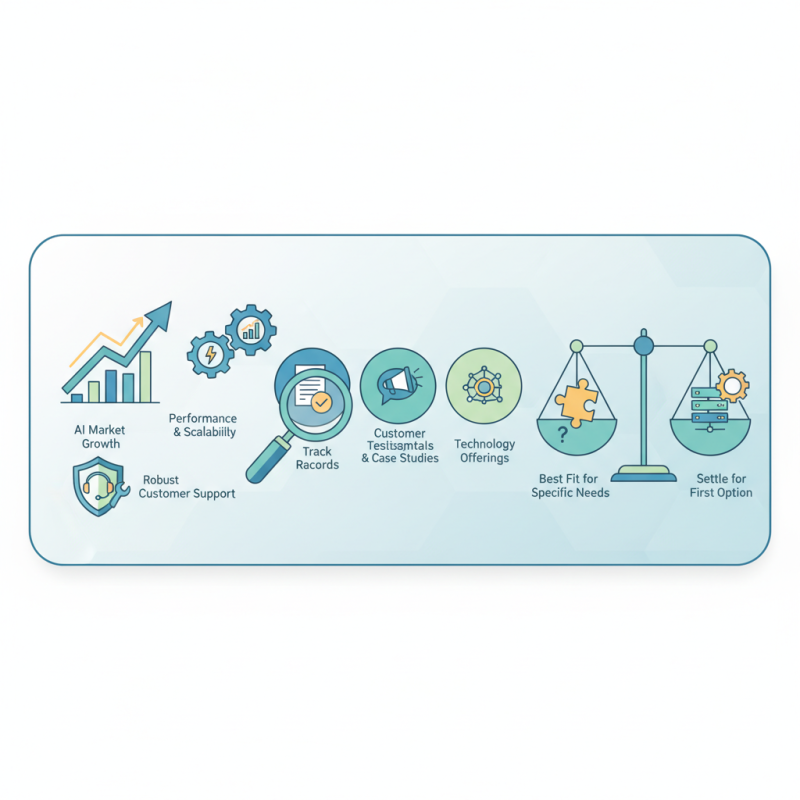
In 2026, selecting the right AI server supplier is crucial. The AI market is projected to grow at a compound annual growth rate (CAGR) of 42% by 2027. This rapid growth underlines the importance of making informed decisions. A reliable supplier can significantly impact your operations and overall strategy.
Industry reports suggest that businesses increasingly prioritize performance and scalability. Speed and efficiency are critical factors. The choice of an AI server can affect processing power and data handling. A great supplier should also offer robust customer support. This ensures smooth implementation and operation, especially during scaling phases.
Many suppliers claim superior technology, but not all are equal. Evaluating their track records is essential. Look for customer testimonials and case studies. It's vital to dive deeper into their offerings. Don’t settle for the first option. Competitors thrive on fine-tuning their AI infrastructures. Reflecting on who can deliver the best fit for your specific needs is fundamental.
When selecting an AI server supplier, it’s crucial to clearly identify your specific needs. Consider the processing power required for your applications. According to a recent report by MarketsandMarkets, the global AI server market is expected to grow from $3.2 billion in 2022 to $16 billion by 2026. This reflects a significant increase in demand, driven by performance requirements and data processing capabilities.
Evaluate your storage needs. With AI applications generating massive datasets, choosing a supplier that offers scalable storage solutions is vital. A study by Statista highlights that 60% of businesses face challenges with data storage, which can impact their AI implementations. Reliability in data access and retrieval should be a top priority when assessing potential suppliers.
Lastly, consider the technical support and maintenance they provide. A 2023 survey from Gartner indicated that 73% of IT leaders value ongoing technical support as a key supplier criterion. Without reliable support, even the best technology can falter. This aspect can be overlooked in the purchasing process, potentially leading to challenges long-term. High-quality support ensures that your server performs optimally while remaining aligned with evolving AI demands.
| Criteria | Importance | Considerations |
|---|---|---|
| Performance | High | CPU speed, RAM capacity, GPU capabilities |
| Scalability | High | Ability to expand resources as needed |
| Cost | Medium | Initial investment vs. long-term value |
| Support and Maintenance | High | Availability of technical support and updates |
| Compatibility | Medium | Integration with existing systems and software |
| Reliability | High | Uptime guarantees and fault tolerance |
| Security | High | Data protection measures and compliance |
When selecting an AI server supplier, assessing their technical expertise is vital. A supplier’s experience reveals much about their capabilities. An established provider will likely have faced diverse challenges, giving them a richer understanding of AI's complexities. You should consider their history with various AI applications. It’s also important to understand how they adapt to new technologies.
Experience alone isn’t enough. You need to evaluate their team’s qualifications. Look for certifications in relevant fields. These credentials can indicate a commitment to quality and ongoing education. Additionally, inquire about their problem-solving approaches. How have they tackled past AI integration issues? Their answers will help gauge their depth of knowledge.
Finally, reliability plays a crucial role. Review case studies or client testimonials to learn about their service continuity. A reliable supplier will likely have a track record of meeting project deadlines and maintaining system uptime. However, not every firm will excel in all areas. Some may struggle with innovative solutions while excelling in customer service, revealing the importance of a balanced evaluation.
When selecting an AI server supplier in 2026, customer support and maintenance services are pivotal. Recent industry reports indicate that over 70% of organizations prioritize robust customer support when choosing their technology partners. This is critical because AI systems can face unexpected challenges. Responsive support can prevent significant downtime, which is vital in a competitive landscape.
It's not just about response time; the quality of support matters too. Studies show that suppliers offering 24/7 support can reduce problem resolution time by 40%. This means faster access to expertise can lead to a smoother operation. Suppliers should ideally provide multiple channels for support, such as chat, email, and phone options.
Maintenance services are equally important. Regular updates and proactive system checks can enhance server performance and longevity. Reports suggest that proactive maintenance can extend server life by up to 30%. However, many companies overlook these services during contract negotiations. Evaluating the balance of these offerings is essential, as the cheapest option may not always provide the best long-term value. Keeping an eye on these factors can ensure a more reliable and efficient AI environment.
When selecting an AI server supplier, understanding pricing models and total cost of ownership (TCO) is crucial. Recent industry reports indicate that TCO can vary significantly among suppliers. Factors such as initial costs, maintenance, and upgrade expenses contribute to this variance. A study from Tech Research Firm reveals that nearly 50% of businesses underestimated their TCO during the initial selection phase. This can lead to budget overruns and unforeseen challenges later on.
Consider the changes in pricing models. Some suppliers offer subscription-based flows, while others advocate for traditional upfront payments. The latter may have lower initial costs but could incur high expenses over time. It’s essential to assess which model aligns with your organization's budget and growth strategy. According to a report from Analytics Insight, organizations that switch to a subscription model can see a decrease in TCO by 30% over three years. However, this comes with the risk of fluctuating monthly costs.
Reflecting on customer support is also important. Quality support can reduce downtime and unexpected costs. Reports show that 70% of companies experience significant downtime due to inadequate support. Thus, investing in a supplier with robust support can lead to cost savings in the long run. Ultimately, a thoughtful approach to evaluating pricing and TCO can lead to a fruitful partnership.
When selecting an AI server supplier, researching supplier reputation is essential. Start by checking online platforms for customer feedback. Look for detailed reviews that highlight experiences, both good and bad. A mix of positive and critical comments can offer a well-rounded view. Remember, a few negative reviews among many positive ones might indicate a genuine service issue rather than a systemic failure.
Engaging with online communities can also help. Forums dedicated to AI technology often share valuable insights. Users discuss their experiences and share recommendations. Pay attention to both the technical performance and the level of customer support provided. A supplier known for resolving issues quickly can save time and resources in the long run.
Don’t forget to validate the information you gather. Cross-reference reviews across multiple sources. Some suppliers may incentivize reviews, which can skew perceptions. Be wary of patterns in customer complaints, especially concerning uptime and service reliability. A supplier's reputation should reflect consistent performance and customer trust, not just marketing claims.
: Evaluate their experience with various AI applications and how they adapt to new technologies.
Check for relevant certifications that indicate commitment to quality and ongoing education.
Inquire about their past experiences in tackling AI integration issues and their approaches.
A reliable supplier maintains project deadlines and system uptime, which are crucial for smooth operations.
Initial costs, maintenance, and upgrade expenses all contribute to TCO variance among suppliers.
Some offer subscription-based models, while others have traditional upfront payments, impacting long-term costs.
Subscription models can lead to fluctuating monthly costs, which could strain budgets.
Quality support reduces downtime, which can significantly lower unexpected expenses in the long run.
Many underestimate their TCO during the initial selection phase, leading to budget overruns later.
Some suppliers may excel in customer service but struggle with innovation, affecting overall performance.
When choosing the best AI server supplier in 2026, it is essential to identify your specific requirements for AI server capabilities. This includes understanding the performance, scalability, and storage needs pertinent to your projects. Evaluating the supplier's technical expertise and experience is crucial, as it reflects their ability to meet your demands through innovative solutions and reliable support.
In addition, assessing the customer support and maintenance services offered ensures that you will have assistance when needed. Comparing pricing models and the total cost of ownership is also vital to make an informed decision that aligns with your budget. Finally, researching the supplier's reputation through customer reviews will provide insights into their reliability and service quality, guiding you towards selecting the right AI server supplier for your organization's needs.
